Italian study links Mediterranean diet to lower breast cancer recurrence
Lifestyle choices are increasingly being confirmed as crucial factors in the fight against cancer.
The latest evidence comes from an Italian-led study coordinated by the National Cancer Institute Pascale in Naples and presented at the annual congress of the American Society of Clinical Oncology (ASCO). The research found that a daily regimen combining a low-glycemic Mediterranean diet, 30 minutes of brisk walking, and oral vitamin D supplementation led to fewer recurrences among women with hormone-positive breast cancer — the most common form of the disease, with more than 40,000 new cases diagnosed annually in Italy.
The intervention also resulted in weight loss and a reduction in the prevalence of metabolic syndrome, CE Report quotes ANSA.
The 10-year recurrence rate for early-stage hormone-positive breast cancer in Italy has fallen to about 11.7% thanks to adjuvant therapies administered after surgery. However, the risk can still range from 10% to 50% in more advanced stages. Poor dietary habits, physical inactivity, and vitamin D deficiency are all modifiable lifestyle factors associated with worse breast cancer outcomes and poorer cardiometabolic health.
In this Phase III study, nearly 500 women aged 30 to 74 were enrolled within 12 months of being diagnosed with stage I-III breast cancer across seven oncology centers in Italy. Participants were assigned to one of two 33-month lifestyle programs. The “positive control” group received standard advice on following a Mediterranean diet and avoiding sedentary behavior, while the “intervention” group received intensive counseling focused on a low-glycemic Mediterranean diet and an additional 30 minutes of brisk walking each day. Oral vitamin D3 supplementation was provided throughout the study.
Researchers found that women who adhered most closely to the intervention program (41% of participants) experienced a 76% lower risk of breast cancer recurrence. They also lost an average of 3 kilograms, corresponding to a 4.2% reduction in body weight, compared with 1.7 kilograms or 2.4% in the control group.
The prevalence of metabolic syndrome — a cluster of conditions including high blood pressure, abdominal obesity, elevated blood sugar, and abnormal cholesterol levels that significantly increase the risk of cardiovascular disease — declined by 65% in the intervention group and by 34% in the control group. Furthermore, the likelihood of reversing metabolic syndrome was 2.5 times higher among women in the intervention group.
Global oncology is increasingly focusing on lifestyle factors, and several Phase III studies on this topic were presented at ASCO. One well-known example, explained Jo Chien, ASCO Scientific Program Chair for 2026 and professor of clinical medicine at the University of California, is the Challenge study, which demonstrated that structured exercise improves survival among colorectal cancer patients.
“Now we have this new Italian study on breast cancer,” Chien said. “It is particularly interesting because, while it does not support any single specific intervention, it suggests that lifestyle modification can lead to better cancer outcomes, potentially through weight loss and metabolic improvements. Physical exercise is crucial, and we are increasingly observing an association between weight loss and improved outcomes. Therefore, patients should consider incorporating these lifestyle changes.”
“This study demonstrates that lifestyle is not merely an optional complement to cancer treatment, but an integral part of it,” said Michelino De Laurentiis, Director of the Department of Breast and Thoracic-Pulmonary Oncology at the National Cancer Institute in Naples and senior author of the study.
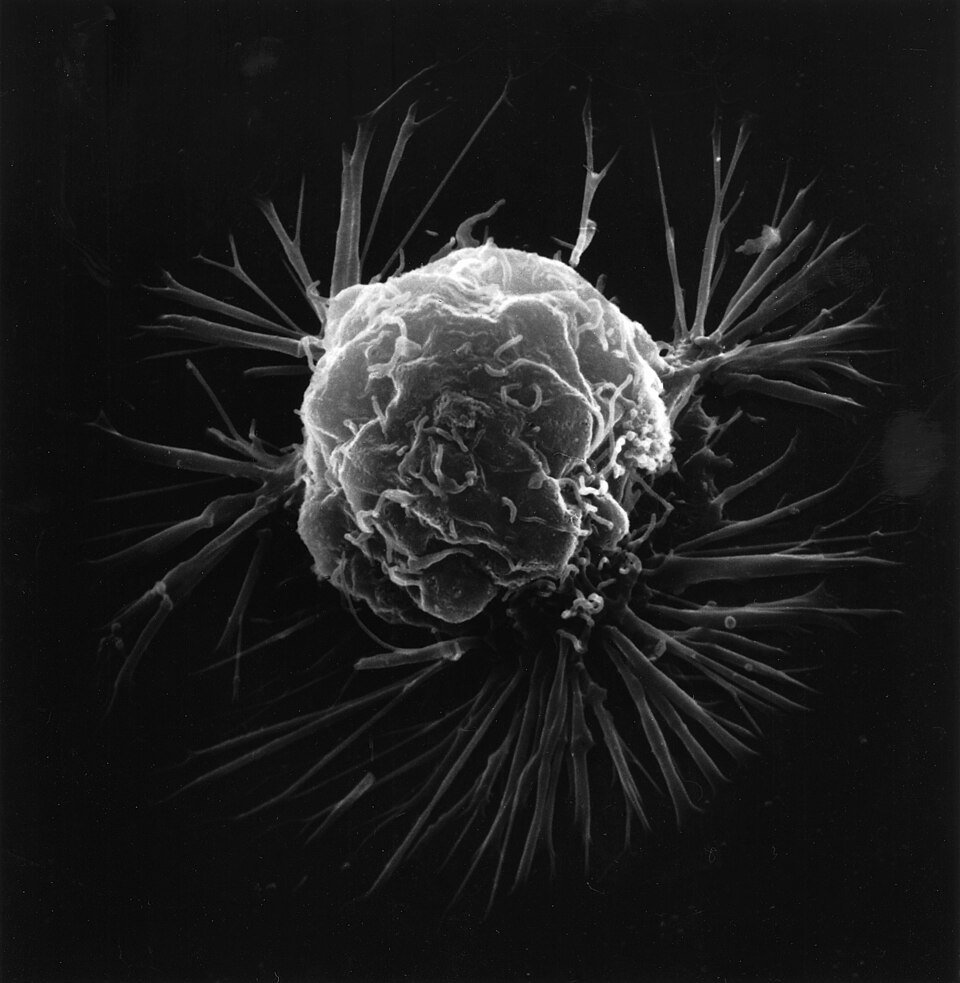
Photo: Wikipedia