Bosnia's Čapljina takes delivery of EU-funded vessel for Neretva waste monitoring
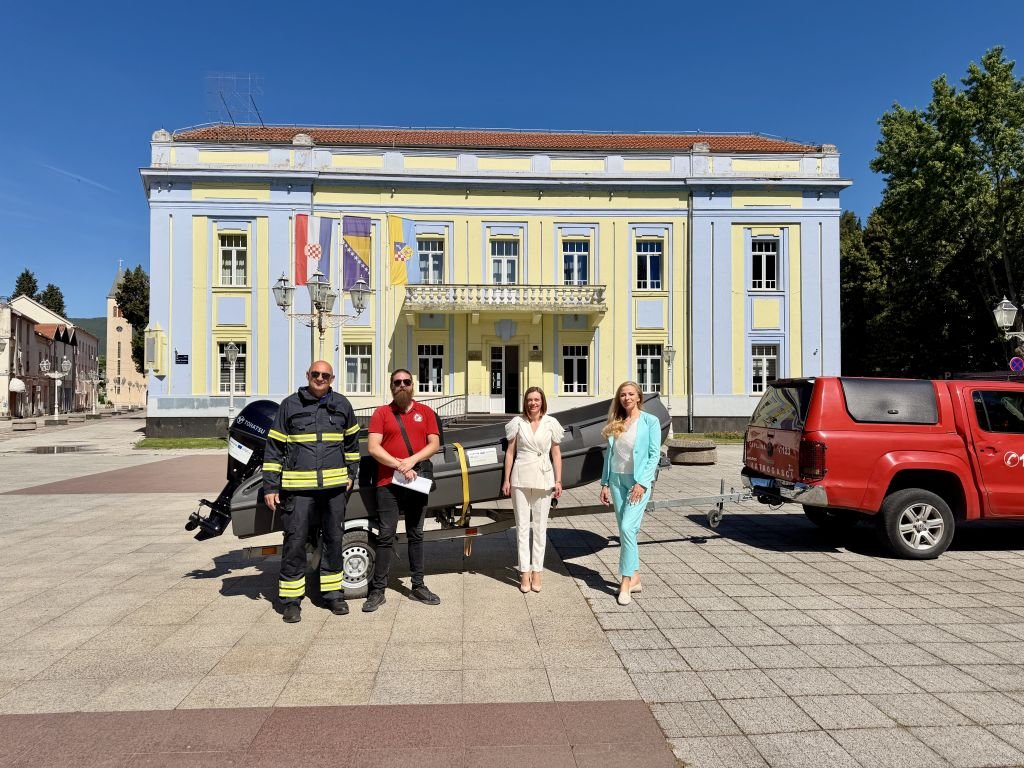
The City of Čapljina, Bosnia and Herzegovina, took delivery of a specialized vessel acquired under the international project TETHYS4ADRION – Strengthening Cross-Border Cooperation for the Reduction of River Plastic Waste in the Adriatic and Ionian Seas, implemented through the Interreg IPA ADRION Programme with co-financing from the European Union.
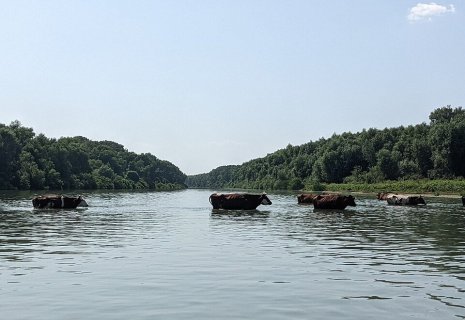
The acquisition of the vessel represents an important step in the implementation of project activities aimed at monitoring, collecting, and reducing river waste in the Neretva River basin, as well as strengthening the capacities of local institutions for environmental protection and water resource management.
The specialized vessel procured through the TETHYS4ADRION project will enhance waste monitoring and the implementation of environmental protection activities in the Neretva River basin, CE Report informs via the City of Čapljina's official website.
Upon completion of the project, the vessel will remain at the disposal of the City of Čapljina and will be assigned to the City of Čapljina Civil Protection Service, further strengthening capacities for operations on water, environmental protection, emergency interventions, and activities of public interest.
The new vessel will be used for field monitoring of river waste, support for the project's pilot activities, and demonstration of innovative solutions for tracking floating waste through the application of GPS technology.
On this occasion, Mayor Iva Raguž stated:
“By taking delivery of this vessel, the City of Čapljina gains a valuable tool for implementing environmental protection activities and preserving the Neretva River, one of our most important natural assets. Through the TETHYS4ADRION project, we are actively participating in international efforts aimed at reducing river plastic waste and protecting the Adriatic Sea. We believe that cooperation among institutions, the application of modern technologies, and raising public awareness are key prerequisites for preserving our rivers and environment for future generations. We are particularly pleased that this vessel will remain available to our local community through the City of Čapljina Civil Protection Service even after the project has been completed.”
The delivery of the vessel comes just ahead of the conference “Cross-Border Cooperation for the Reduction of River Plastic Waste in the Adriatic and Ionian Seas,” which will be held in Čapljina on June 5, 2026, on the occasion of World Environment Day.
During the conference, participants will be presented with the results achieved so far under the TETHYS4ADRION project, monitoring activities in the Neretva basin, and a demonstration of GPS trackers used to monitor floating waste.
The TETHYS4ADRION project contributes to the protection of river and marine ecosystems, the strengthening of cross-border cooperation, and raising awareness of the importance of reducing plastic waste that reaches the Adriatic and Ionian Seas from river systems.
The project is led by the National Institute of Chemistry in Ljubljana (Slovenia) in cooperation with partners: the City of Čapljina (Bosnia and Herzegovina), the Institute of Oceanography and Fisheries in Split (Croatia), the City of Metković (Croatia), ISPRA – the Italian Institute for Environmental Protection and Research (Italy), the Mediterranean Information Office for Environment, Culture and Sustainable Development (MIO-ECSDE), the Hellenic Centre for Marine Research (Greece), the Institute of Marine Biology of the University of Montenegro (Montenegro), the Slovenian Water Institute, and the University of Tirana (Albania).