Milan's economy set to accelerate on Winter Olympics boost
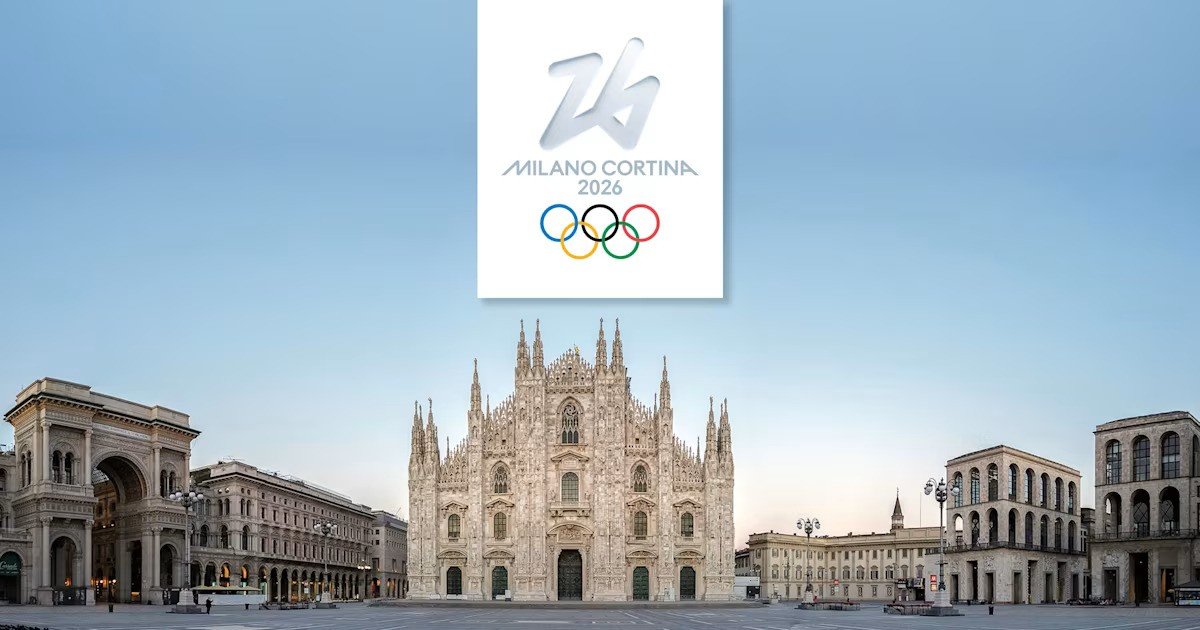
Milan’s economy is expected to accelerate its growth rate this year, supported by the recovery of industry, strong services activity and the boost from hosting the Milano Cortina 2026 Winter Olympics (February 6–22), according to a study published by the regional entrepreneurs’ association Assolombarda, Reuters reported.
According to the study’s authors, the GDP of Milan, Italy’s financial capital, will grow by 1.7% this year, compared with a 0.7% increase in 2025, CE Report quotes AGERPRES.
The Olympic Games alone are estimated to generate total business of around €2.5 billion in the Milan metropolitan area, equivalent to €1.045 billion in added value.
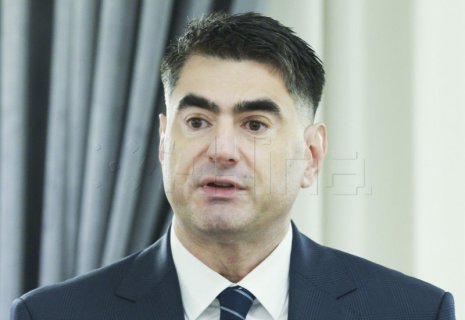
“Milan is going through a positive phase,” said Assolombarda president Alvise Biffi. “GDP is rising again at a solid pace, major events are strengthening the city’s international visibility, and tourism continues to expand,” he added.
He noted that in the past, the Winter Olympic Games have been a powerful catalyst in raising the profile of host cities and accelerating urban transformation.
Milan experienced a sharp rise in its real estate market after hosting Expo 2015, also fueled by favorable tax rules that attract wealthy foreigners. However, some local residents have complained that they are being pushed out of the city due to rising costs.
Mayor Giuseppe Sala said the Winter Olympics are drawing even more media attention than Expo. “We are pleased that so many foreign tourists have come. These are the most-watched Olympic Games in history and they will have a long-term impact,” Sala said, without providing further details.
In Milan, the budget directly related to the Olympic Games amounts to €735 million, split between €379 million for event-related investments or upgrade works and €356 million for organizational expenses.
The city is hosting nearly 90 events, including the opening ceremony at San Siro. Spending by visitors, athletes and staff is expected to reach around €1 billion locally.