Slovenia’s Julian Alps introduce direct booking system for accommodation
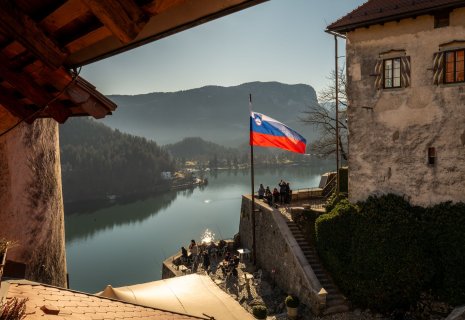
Travellers planning a stay in Slovenia's Julian Alps, which include landmarks such as Lake Bled and the Soča Valley, now have a new way to book their accommodation directly with local providers.
Tourism organisations across the alpine region have launched a custom-built booking platform, available here in Slovenian, English and German. covering all 11 municipalities of the Julian Alps destination, CE Report quotes The Slovenia Times.
The initiative is designed to give visitors a single entry point for accommodation while keeping a greater share of tourism revenue within the community.
Local tourism officials say the move responds to a growing concern among destinations worldwide: the commissions charged by global booking platforms.
"We want to achieve independence from other platforms and strengthen the local economy. In the Julian Alps alone, various platforms extract EUR 25 million every year - money that does not stay in the destination," says Blaž Veber, director of Bled Tourism.
Rather than replacing international booking sites outright, the new system is intended as a locally run alternative that operates alongside them. Accommodation providers must meet regional quality standards to be listed on the platform, which aims to channel commissions back into joint projects across the region.
Community benefits front and centre
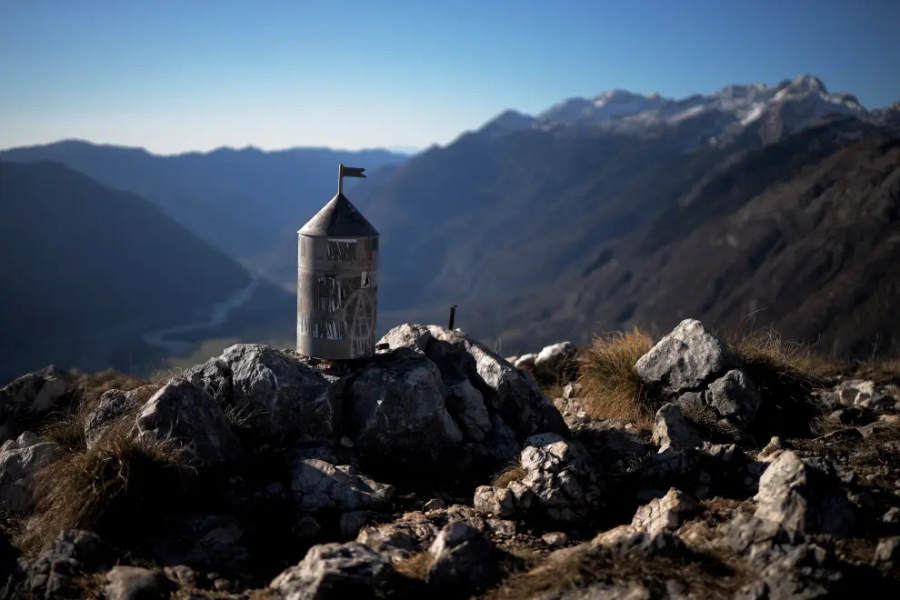
The Julian Alps, Slovenia's best-known alpine destination, stretch across the north-west of the country and include major visitor magnets such as Lake Bled, Lake Bohinj and the vast alpine wilderness of Triglav National Park.
Klemen Langus, coordinator of the Julian Alps Community, said the goal was to create a system that benefits both travellers and the region hosting them.
"It is simply another system in the mix, but one that allows us to keep commission fees within the local community and reinvest them into activities jointly agreed upon by our partners," he said.
Interest from the tourism sector has been strong. Around 80 accommodation providers are already bookable through the platform, while roughly 160 businesses, ranging from hotel groups to campsites and smaller guesthouses, have joined the system.
Milan Sajovic, director of the Hit Alpinea hotel group, said the project reflects a broader shift in tourism as destinations try to build direct relationships with visitors.
"The whole world is thinking about how to bring guests to destinations as directly as possible through local systems that generate added value for the community," he said.
More than just bookings
For travellers, the platform is intended to evolve beyond a simple reservation tool. Future updates are expected to include practical travel information for the region, from mountain safety alerts to sustainable transport options and real-time crowd management aimed at steering visitors away from the most congested sites.
Officials say that could help disperse visitors beyond the region's busiest hotspots, guiding them to lesser-known villages and valleys that see fewer crowds.
While larger professional operators have quickly embraced the initiative, organisers acknowledge that persuading smaller private hosts, who tend to rely on global platforms regardless of the high commissions they charge, remains a challenge.
Photo: Daniel Novakovič/STA