Croatia unveils average monthly net salary
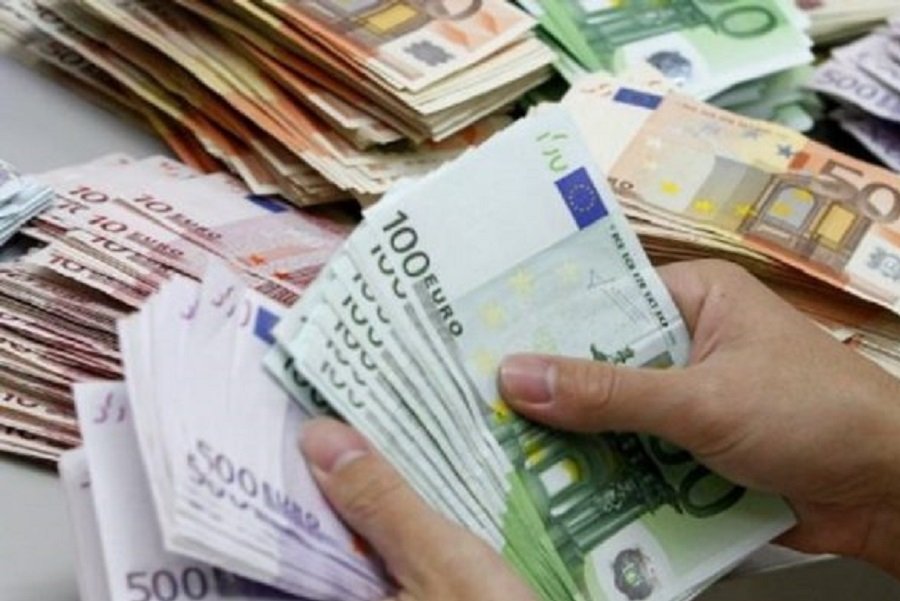
In the first quarter of this year, the average monthly net salary in Croatia, including bonuses, amounted to €1,609.
This represents a 2% increase compared with the previous quarter and a 9% rise compared with the same period last year, CE Report informs, citing the data from the MojaPlaća service.
The median salary, which provides a more realistic picture of income distribution, was slightly lower at €1,500. This also means that more than half of employees earn below the average. The median increased by 1% compared with the end of last year, and rose by 10% year-on-year.
By sector, the highest salaries are still earned in the IT industry, where wages are about 21% above the average, reaching nearly €2,000. This is followed by technology and development-related sectors. On the other hand, the lowest salaries are found in auxiliary occupations, which are up to one-third below the average, as well as in the textile and leather industries.
When looking at specific professions, the highest earners include doctors, pilots, air traffic controllers, and programmers, whose incomes often exceed €3,000 per month. At the other end of the scale are workers in service and support roles, such as caregivers and cleaners, whose salaries generally do not reach €1,000.
The highest salaries are still offered by privately owned foreign companies, where the average stands at around €1,749, above the national average. Salaries in domestic private companies and state-owned enterprises are somewhat lower, while wages in public and local administration are also below average.
Differences are also evident depending on company size. The smallest companies, with fewer than ten employees, offer the lowest average salaries, while the largest companies provide the highest wages, above the national average. Regionally, the lowest salaries are recorded in Vukovar-Srijem and Koprivnica-Križevci counties, while Zagreb remains at the top with an average salary above €1,700 and a median of €1,600.
Education level also has a strong impact on earnings. People with postgraduate education or an MBA earn significantly more than average, while highly educated workers earn slightly above-average salaries. Those with secondary education, on the other hand, earn below-average wages.
The data also shows a gender gap: in the first quarter, men earned on average 14% more than women, with their average salary at around €1,730, compared with €1,512 for women.