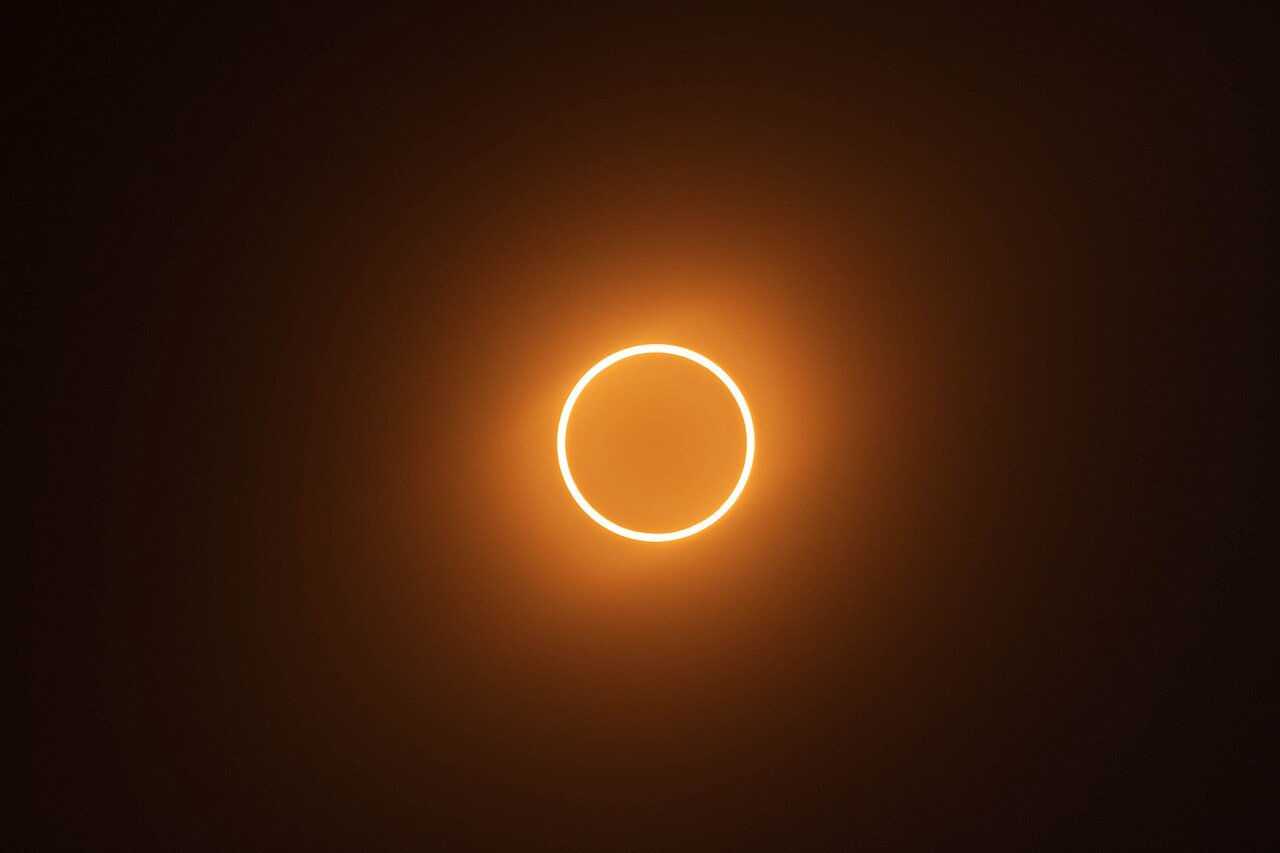
Partial solar eclipse to be visible in Moldova
The total solar eclipse on August 2, 2027, regarded as one of the most significant astronomical events of the century, will cross southern Europe, North Africa, and the Middle East. In Moldova, the eclipse will be visible only as a partial eclipse, with the Moon covering between 38% and 44% of the Sun's disk, depending on the location.
According to astronomical calculations published by NASA and Timeanddate, the total eclipse will begin over the Atlantic Ocean, west of the Strait of Gibraltar, before the Moon's shadow moves across southern Spain and northern Morocco. The path of totality will then continue over Algeria, Tunisia, Libya, Egypt, the Red Sea, Saudi Arabia, Yemen, and Somalia, ending over the Indian Ocean, CE Report quotes MOLDPRES.
In Moldova, the greatest obscuration will be recorded in the southern part of the country. The Moon is expected to cover about 43.65% of the Sun in Cahul, 39.29% in Chișinău, 38.92% in Tiraspol, and 38.01% in Bălți.
The eclipse is expected to begin at around 11:30 a.m., reach its maximum at approximately 12:34 p.m., and end at around 1:40 p.m. local time.
The most spectacular view will be near Luxor, Egypt, where the total phase will last up to 6 minutes and 22 seconds—the longest total solar eclipse visible from land until 2114. During totality, the sky will darken completely, allowing observers to see the Sun's corona as well as some of the brightest stars and planets.
Experts say Egypt, Libya, and Tunisia offer some of the best weather conditions for observing the eclipse because of their high likelihood of clear skies. In Spain, totality will last up to 4 minutes and 39 seconds, and the country's tourism infrastructure and accessibility make it one of the top destinations for eclipse enthusiasts.
Astronomers stress that the eclipse should only be observed using certified eclipse glasses or proper solar filters, as looking directly at the Sun without adequate eye protection can cause permanent eye damage.
Photo: Wikipedia