Moldova eyes Rugby Europe promotion through new strategy - EXCLUSIVE
The Republic of Moldova is intensifying efforts to develop rugby through increased investment, athlete development programs, and the hosting of major international competitions as part of a broader strategy to strengthen the country's sporting profile.
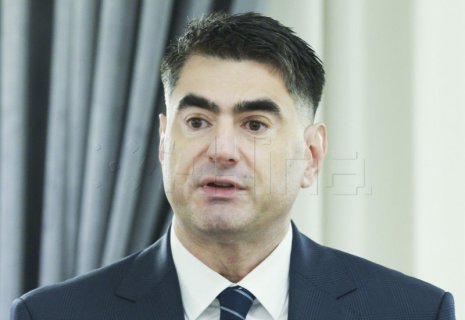
This was said by Sergiu Gurin, a State Secretary in the Ministry of Education and Research of the Republic of Moldova, in an exclusive interview with CE Report.
According to Gurin, hosting a stage of the Rugby Europe Sevens Trophy Championship for the second time represents an important milestone for Moldovan sport, demonstrating both the progress achieved in rugby and the country's growing ability to organize international sporting events to a high standard.
He noted that rugby has been identified as a strategic team sport within Moldova's public policy framework because of its established tradition, significant development potential, and rising popularity. The tournament in Chișinău is expected to increase the sport's visibility, encourage more children and young people to participate, and strengthen the talent pool available for the national teams.
In the medium and long term, the ministry aims to improve Moldova's position in the Rugby Europe Sevens hierarchy and create the conditions necessary for promotion to higher divisions of Rugby Europe competitions. At the same time, successfully hosting such events helps reinforce Moldova's reputation as a reliable and capable organizer of international sporting competitions.
The ministry also highlighted the steady growth of rugby nationwide. In recent years, Moldova has regularly hosted beach rugby tournaments, helping diversify competitive opportunities and increase public interest in the sport. Officials have also observed a gradual rise in the number of clubs and teams participating in the national championship.
To support this development, the Ministry of Education and Research has introduced a series of investment and athlete development initiatives. Three years ago, rugby sevens training groups were established at the Republican Sports Profile Lyceum in Chișinău, where young athletes receive state-funded education, training, accommodation, meals, and travel to competitions. The National Rugby Federation also contributes by supplying equipment and covering part of the training expenses.
Another major step came in 2025 with the establishment of the Specialized Rugby Sports School following the reorganization of two existing sports schools. The institution is designed to provide a structured pathway for athletes from an early age through to elite-level competition, creating a stronger foundation for Moldova's national teams.
Financial support for rugby has also increased. Funding allocated to the National Rugby Federation has been expanded, while from 2025 athletes winning medals in the second and third competitive tiers became eligible for performance bonuses. Previously, financial awards had been limited to athletes finishing in the top six of the highest-level competitions.
The ministry also introduced a new financial incentive in 2025 specifically for the national rugby team. Under updated regulations governing sports funding, players now receive a one-time bonus for qualifying for either the Rugby World Cup or the Olympic Games, in addition to existing performance awards and monthly allowances available to elite athletes.
According to Gurin, these measures are intended to narrow the competitive gap between Moldova and Europe's established rugby nations, expand the country's player base, improve the quality of athlete preparation, and strengthen the performance of the national teams.
Looking ahead, the ministry's objective is to enhance Moldova's competitiveness at the European level while creating genuine opportunities for qualification to major international competitions, particularly as preparations continue for the next Olympic cycle.
Photo: Chat GPT
This interview was prepared by Laura Hoffman