Japan approves Imperial succession reform
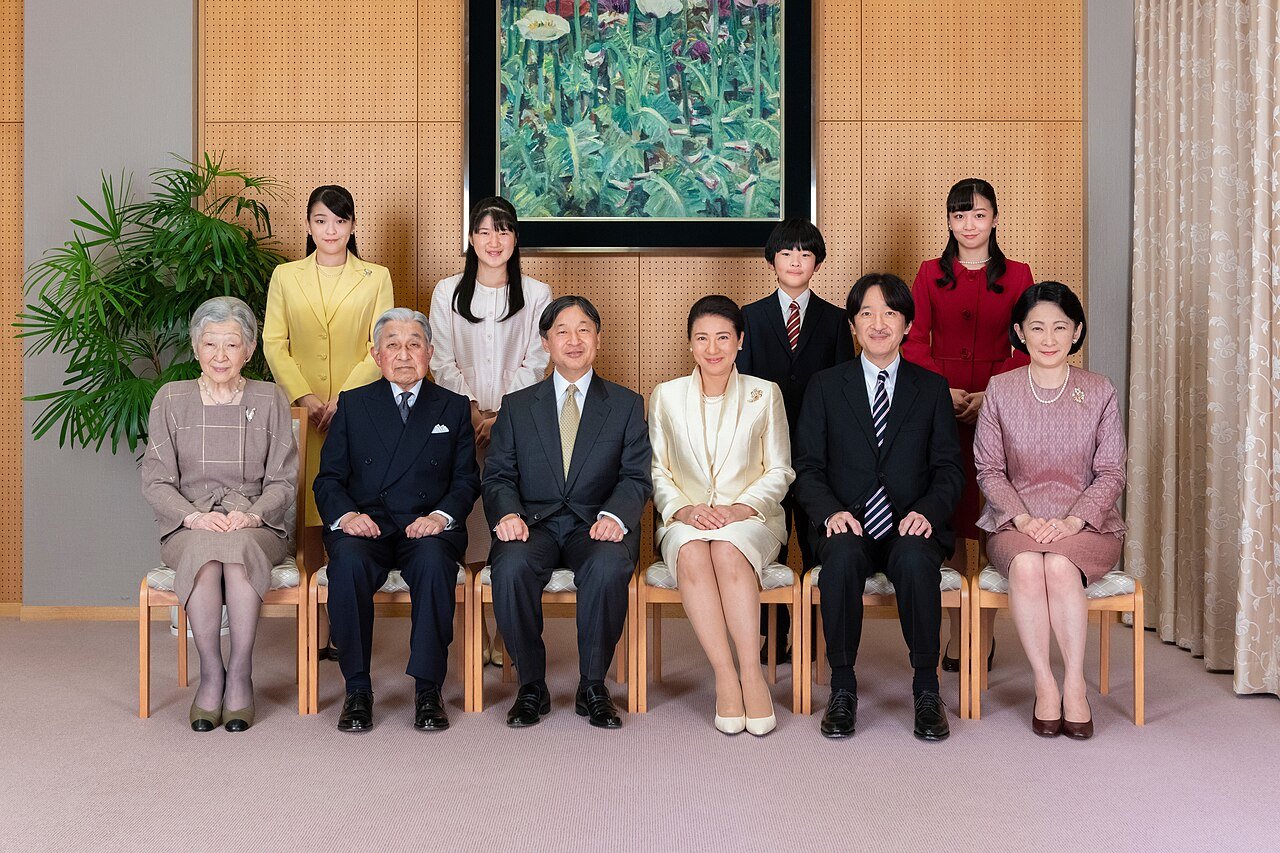
Japan's parliament has approved a revision of the Imperial House Law to address the steady decline in the number of imperial family members, while maintaining the principle of male-only succession, despite strong public support for allowing women to inherit the Chrysanthemum Throne.
The amendment—considered the first major change to the 1947 law—introduces two key measures. First, it allows male-line descendants from 11 former collateral branches of the imperial family, which were removed from the imperial household after World War II, to rejoin the family, CE Report quotes ANSA.
Those adopted into the imperial family must be at least 15 years old, unmarried, and childless. Although they will not be eligible to ascend the throne themselves, their future male descendants may enter the line of succession.
Second, the amendment allows imperial princesses to retain their royal status after marrying commoners. Under the previous rules, such marriages automatically required them to leave the imperial family.
The government says the reform is necessary to ensure the long-term stability of the imperial dynasty as the number of eligible heirs continues to shrink. However, it does not address the most controversial issue—the exclusion of women from the line of succession.
At present, there are only three eligible heirs, all male, including Crown Prince Akishino and his son, Prince Hisahito.
Recent opinion polls indicate that about 70% of Japanese people support allowing a woman to ascend the throne. However, analysts say conservative and nationalist groups close to Prime Minister Sanae Takaichi's government pushed to preserve the centuries-old tradition of male-only succession.
Previous governments had repeatedly postponed the reform, considering it politically and culturally too sensitive.
The Chrysanthemum Throne is regarded as the world's oldest continuous hereditary monarchy, with tradition tracing its origins back to 660 BC without interruption in the imperial line.
Photo: Wikipedia