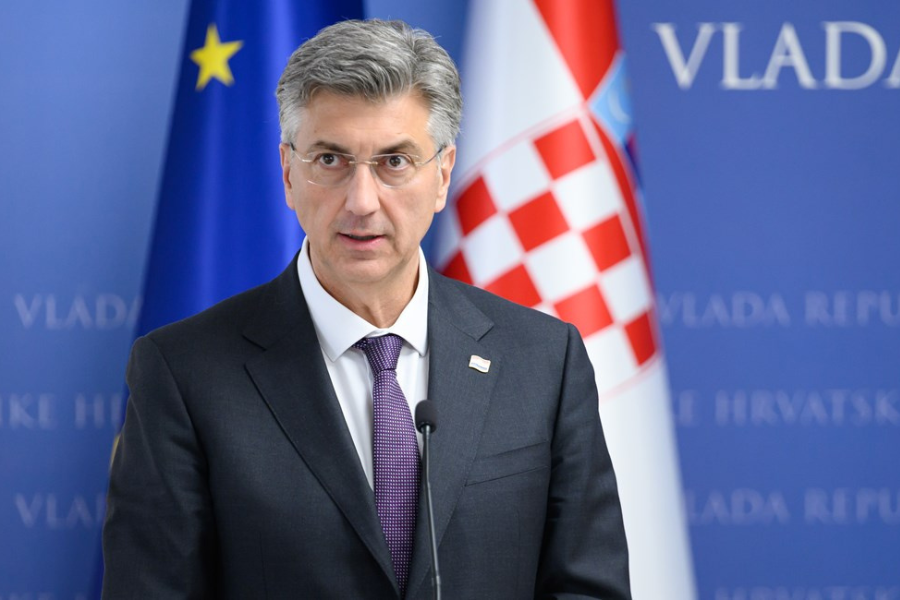
Average salary approaching 1,600 euros by 2028, says Croatian PM
Croatian Prime Minister Andrej Plenković said that from the beginning of his mandate in 2016 until March 2026, nominal wages in Croatia have increased by 108 percent, while real wages—adjusted for inflation—have grown by 49 percent.
He stated that Croatia is now close to achieving the government’s goal of an average monthly salary of 1,600 euros by 2028, noting that the current average salary stands at 1,555 euros, according to the Croatian Bureau of Statistics.
The median salary is 1,317 euros, CE Report informs via Croatia's government website.
Plenković made the remarks following meetings of ruling party bodies, during which he addressed current political and economic topics.
Government highlights wage growth and economic indicators
The Prime Minister said that, based on current trends, the target appears achievable, adding that wage growth reflects broader economic progress during the government’s mandate.
He also referred to the latest European Commission summer forecast, which projects Croatia’s GDP growth at 2.7 percent in 2026—above the EU and eurozone averages of 1.1 and 0.9 percent respectively. He noted that this figure is slightly higher than government projections, while inflation estimates are lower.
Cultural initiatives and diaspora engagement
Plenković highlighted ongoing events marking the “First Week of Croats Outside Croatia,” a new initiative launched this year by the Croatian Parliament at the government’s proposal. The program includes cultural exhibitions and events dedicated to Croatian heritage, including a display honoring artist Virgilije Nevjestić. A session of the Council for Relations with Croats Abroad is scheduled for Friday.
Investments in education and regional development
The Prime Minister also pointed to a recent visit to Virovitica-Podravina County, where a new kindergarten, a visitor center at Papuk Nature Park, and the first elderly care center in Voćin were opened.
He said that investments in educational infrastructure during the government’s mandates amount to 3.2 billion euros, describing it as unprecedented investment aimed at strengthening Croatia’s education system.
Treasury bills and citizen savings
Plenković also referred to a new issuance of treasury bills worth 1.3 billion euros with an annual yield of 2.85 percent. The issue is initially open only to private individuals.
He said the program has proven successful in encouraging citizens to invest savings in government securities.
Judicial system and reforms
The Prime Minister addressed reforms in the judiciary, noting that over the past two decades Croatia has reduced the number of unresolved court cases by more than one million, including a reduction of around 80,000 cases in the last five years.
He also emphasized ongoing efforts to improve efficiency in the judicial system.
Political and legal developments
Commenting on a recent criminal case involving the head of Zagreb’s sports facilities administration, Plenković described the situation as a significant corruption case and a political setback for the opposition party Možemo!.
He further criticized what he called inconsistent media coverage of the case.
Foreign policy and regional relations
Plenković announced an upcoming visit to North Macedonia and confirmed continued cooperation with Slovenia following congratulations to Janez Janša on his election as prime minister.
Regarding relations with Serbia, he rejected claims of Croatian interference in internal affairs, calling them unfounded and politically motivated.
Anti-inflation measures and institutional appointments
The Prime Minister confirmed that a new anti-inflation package is being prepared and that consultations are ongoing within the government and coalition partners.
He also said discussions are underway regarding leadership appointments at the Croatian National Bank.
Sports funding and transparency
Plenković reaffirmed continued government support for sports and announced plans to improve transparency in funding processes. He emphasized that sports financing will continue, alongside stricter control mechanisms.
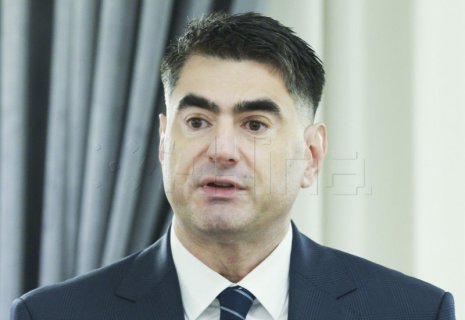
Photo: Croatia's government website.