Péter Magyar’s Austrian visit as turning point in Central European politics (PHOTO/VIDEO)
By Aytan Aliyeva
The rise of Péter Magyar marks one of the most significant political transformations in contemporary Central Europe. After sixteen years of Viktor Orbán’s rule, Hungary entered a new political phase with Magyar’s electoral victory and the emergence of the Tisza Party as the dominant force in Hungarian politics. Magyar’s ascent was remarkable not only because he defeated one of Europe’s longest-serving nationalist leaders, but also because he managed to unite dissatisfied conservative voters, pro-European moderates, and citizens frustrated with corruption and political isolation.
His first international trip after taking office was therefore followed closely across Europe. The decision to visit Poland and Austria as his first destinations was highly symbolic and strategically calculated. While the Polish visit represented the rebuilding of regional political alliances weakened during the Orbán era, the Austrian visit carried broader diplomatic, economic, and geopolitical implications. Vienna became the stage on which the new Hungarian leadership attempted to communicate a fundamental reorientation of Hungarian foreign policy: from confrontation toward cooperation, from isolation toward reintegration, and from geopolitical ambiguity toward a more clearly European direction.
The Austrian visit demonstrate that Magyar’s foreign policy is not simply a continuation of traditional Hungarian conservatism under a new face. Rather, it reflects a complex effort to redefine Hungary’s place in Central Europe and within the European Union while preserving a national-conservative political identity. The meetings in Vienna revealed how questions of regional cooperation, energy security, infrastructure, migration, environmental policy, and European competitiveness are increasingly interconnected in the evolving political landscape of Central Europe.
The symbolism of Vienna: A diplomatic reset
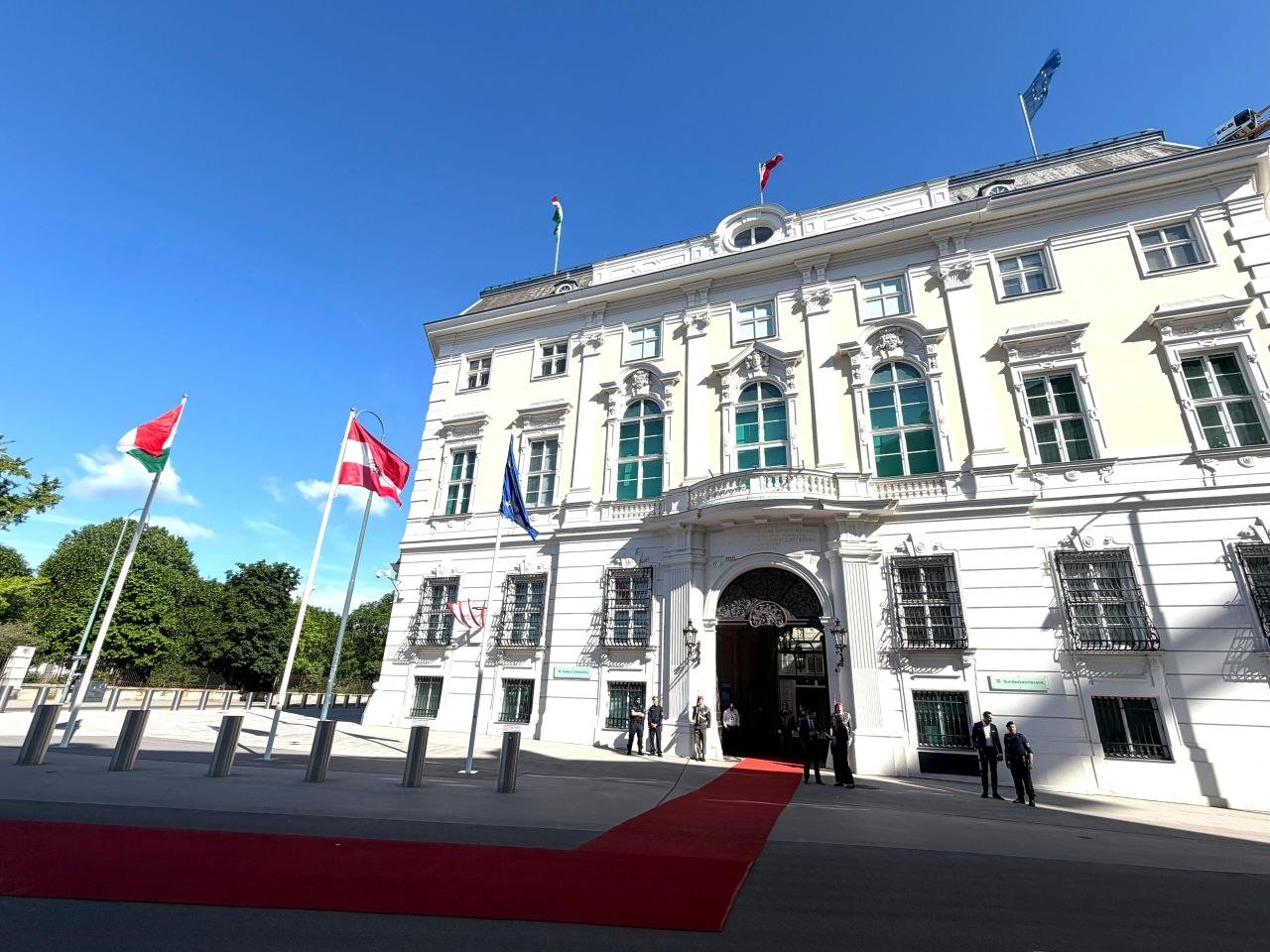
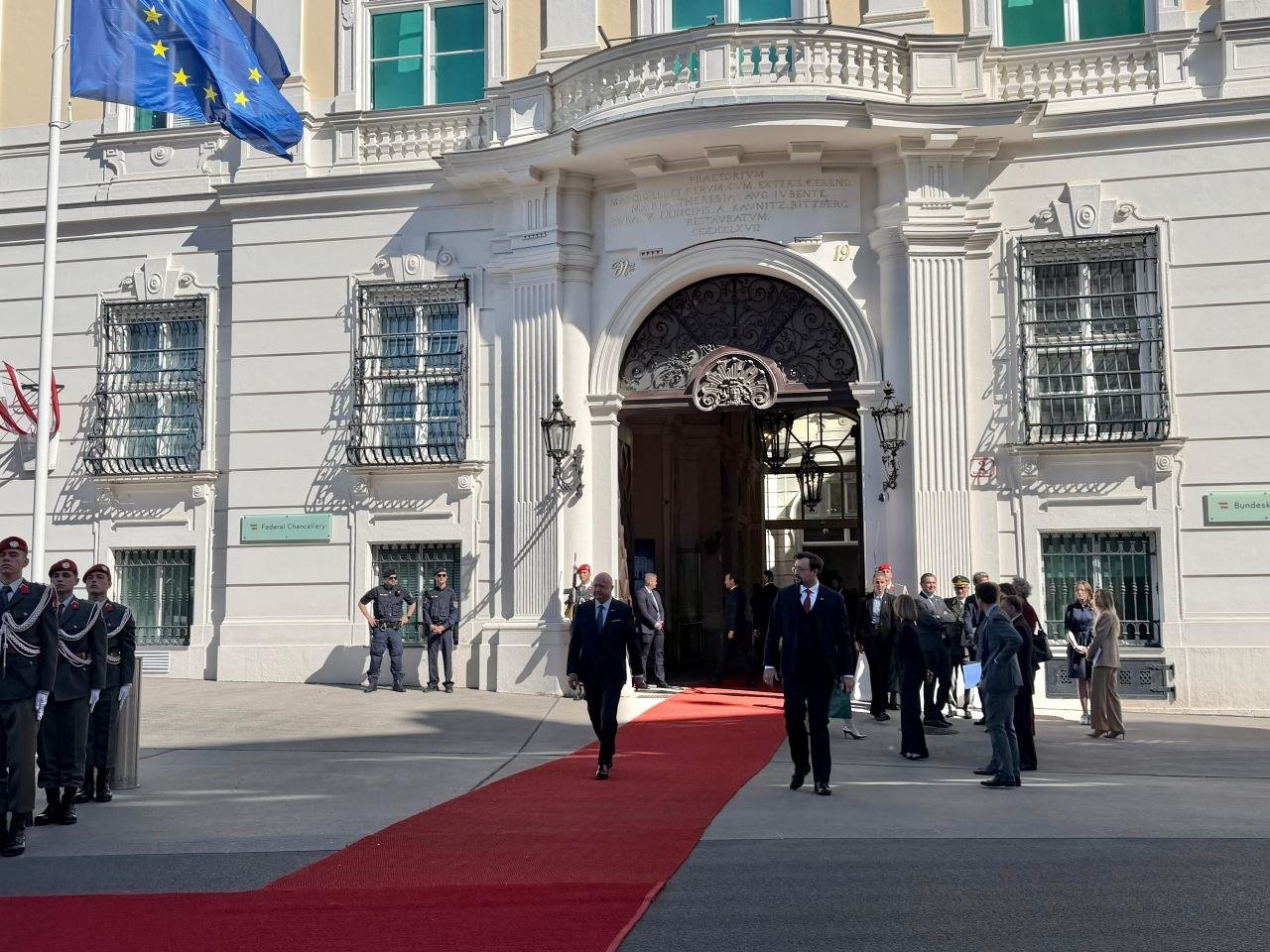
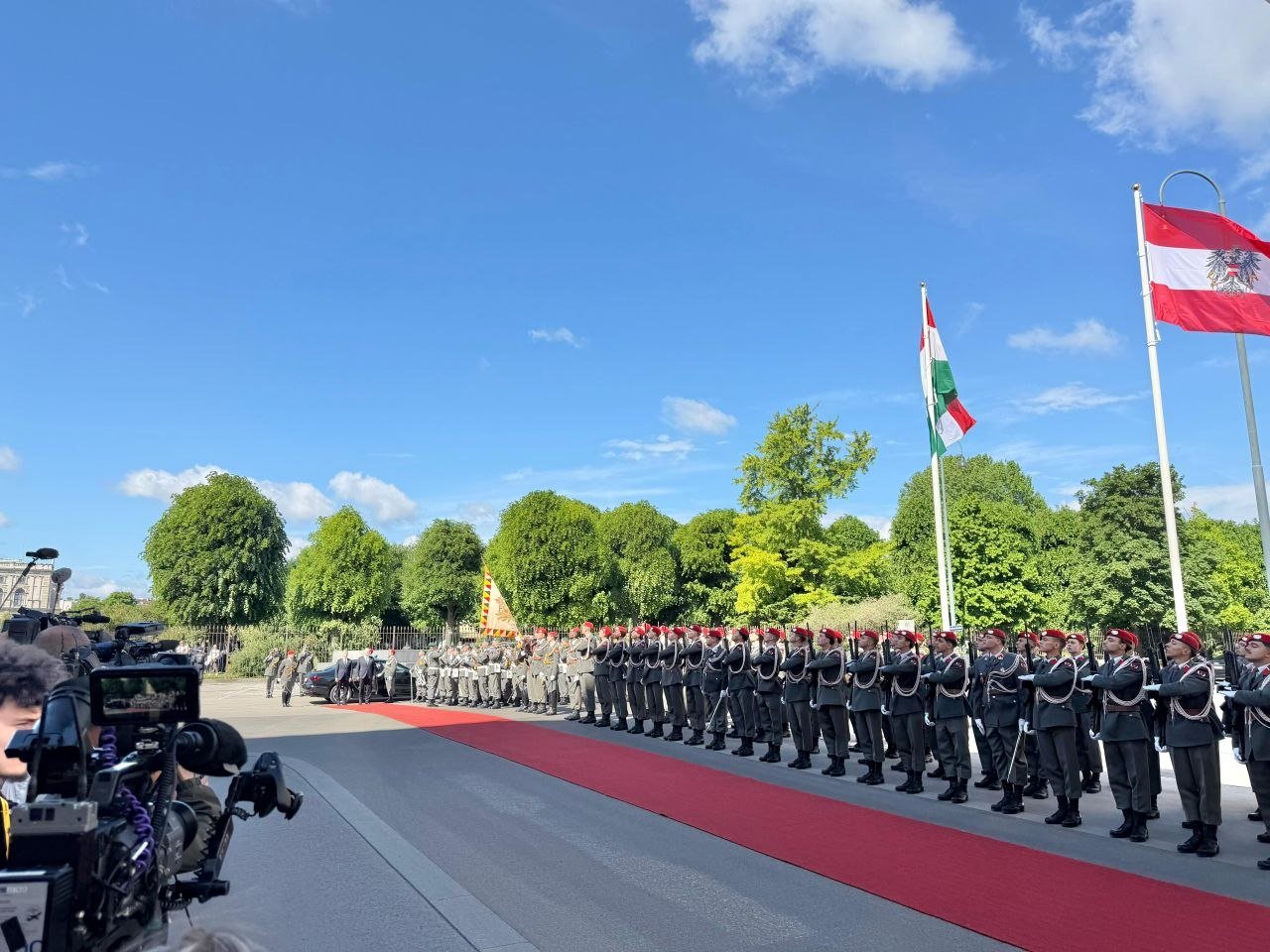
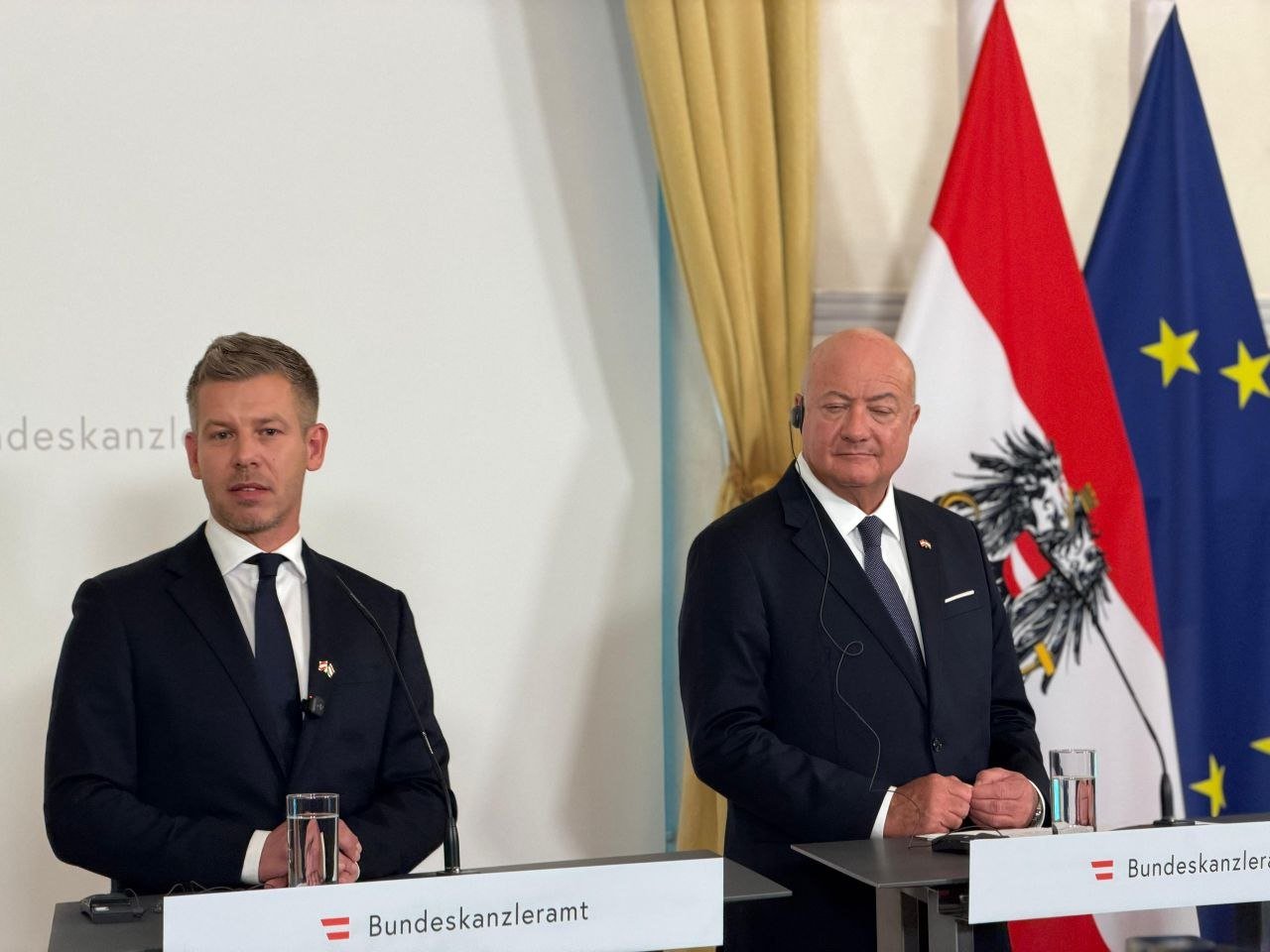
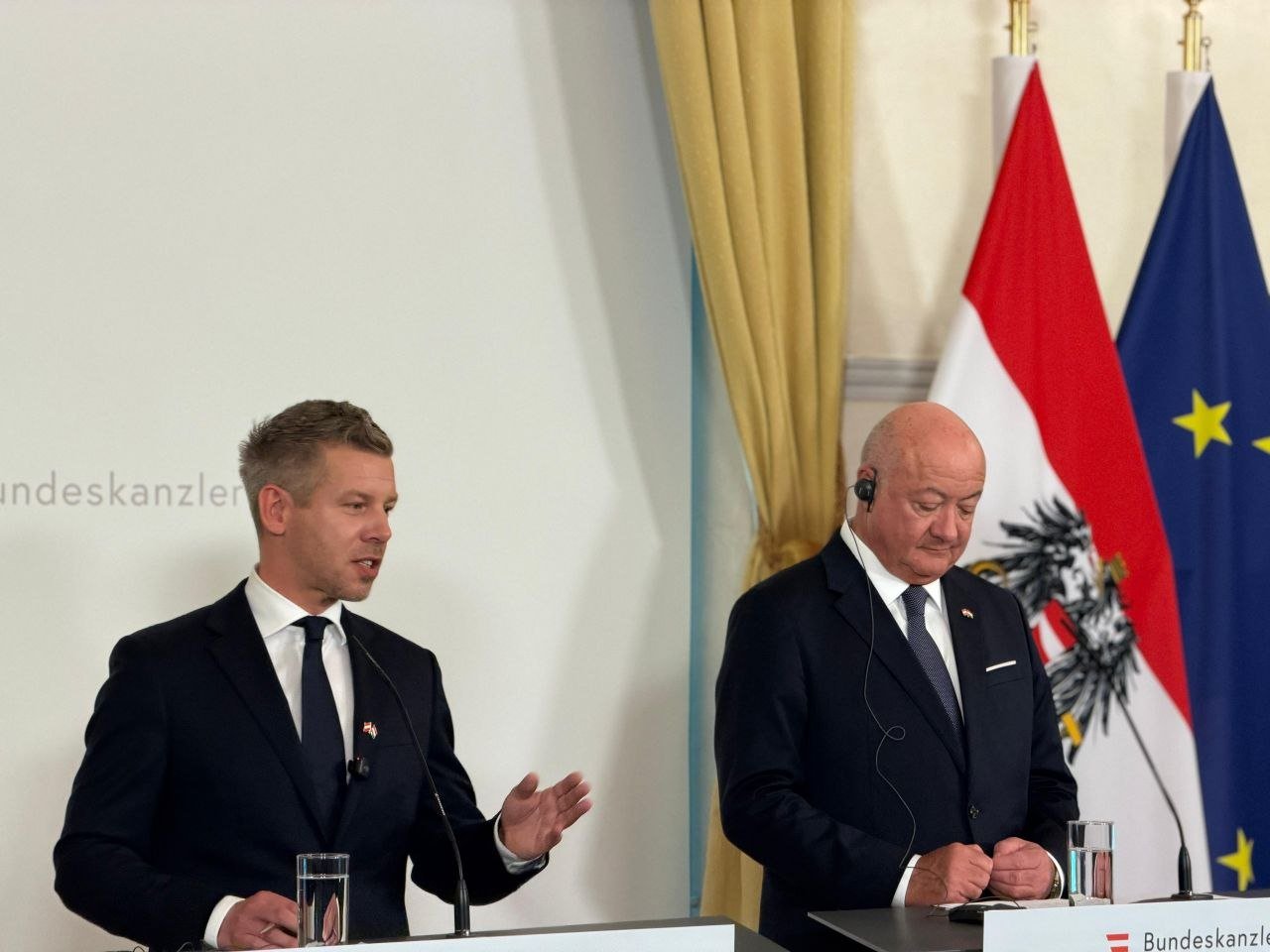
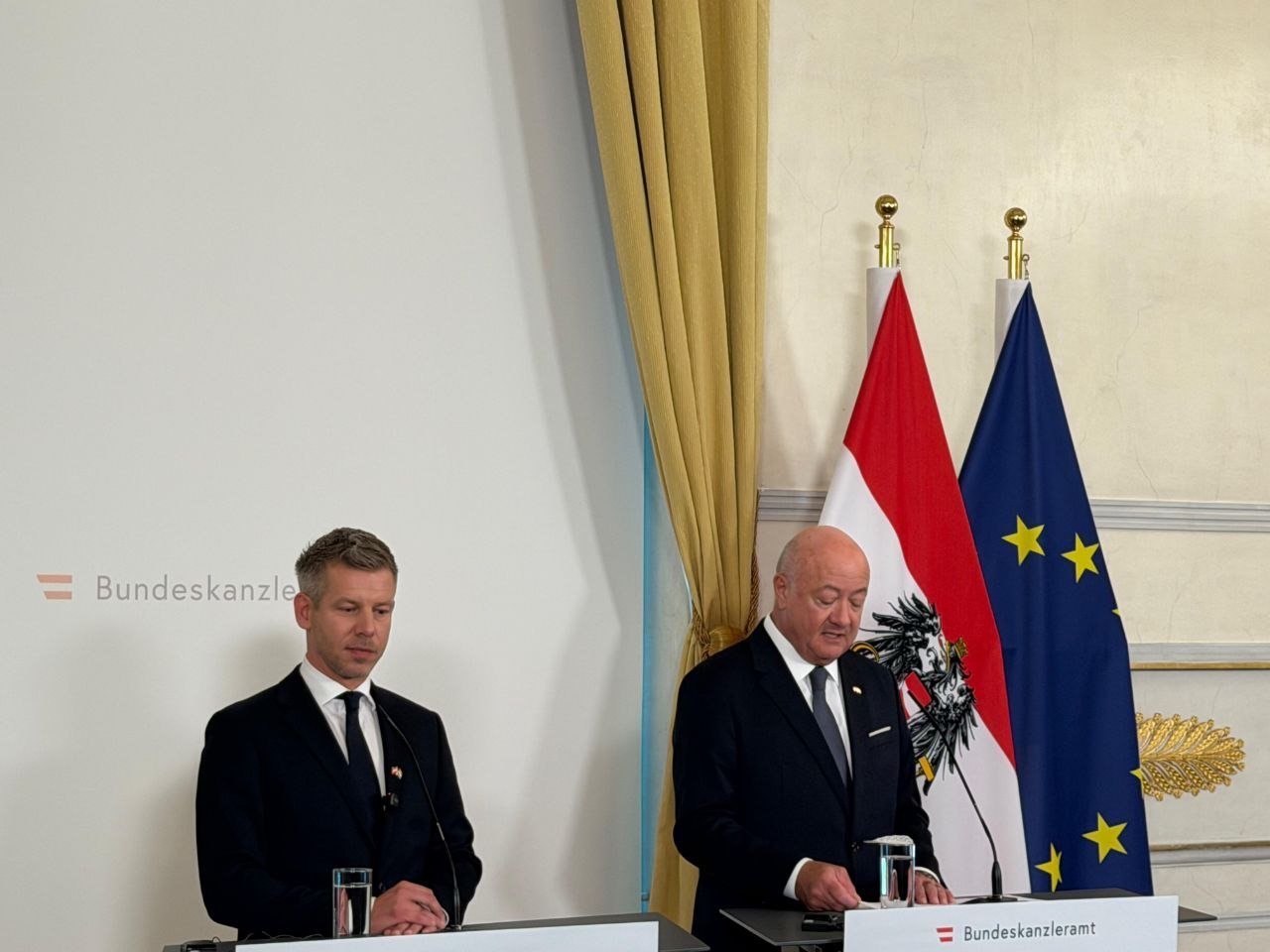
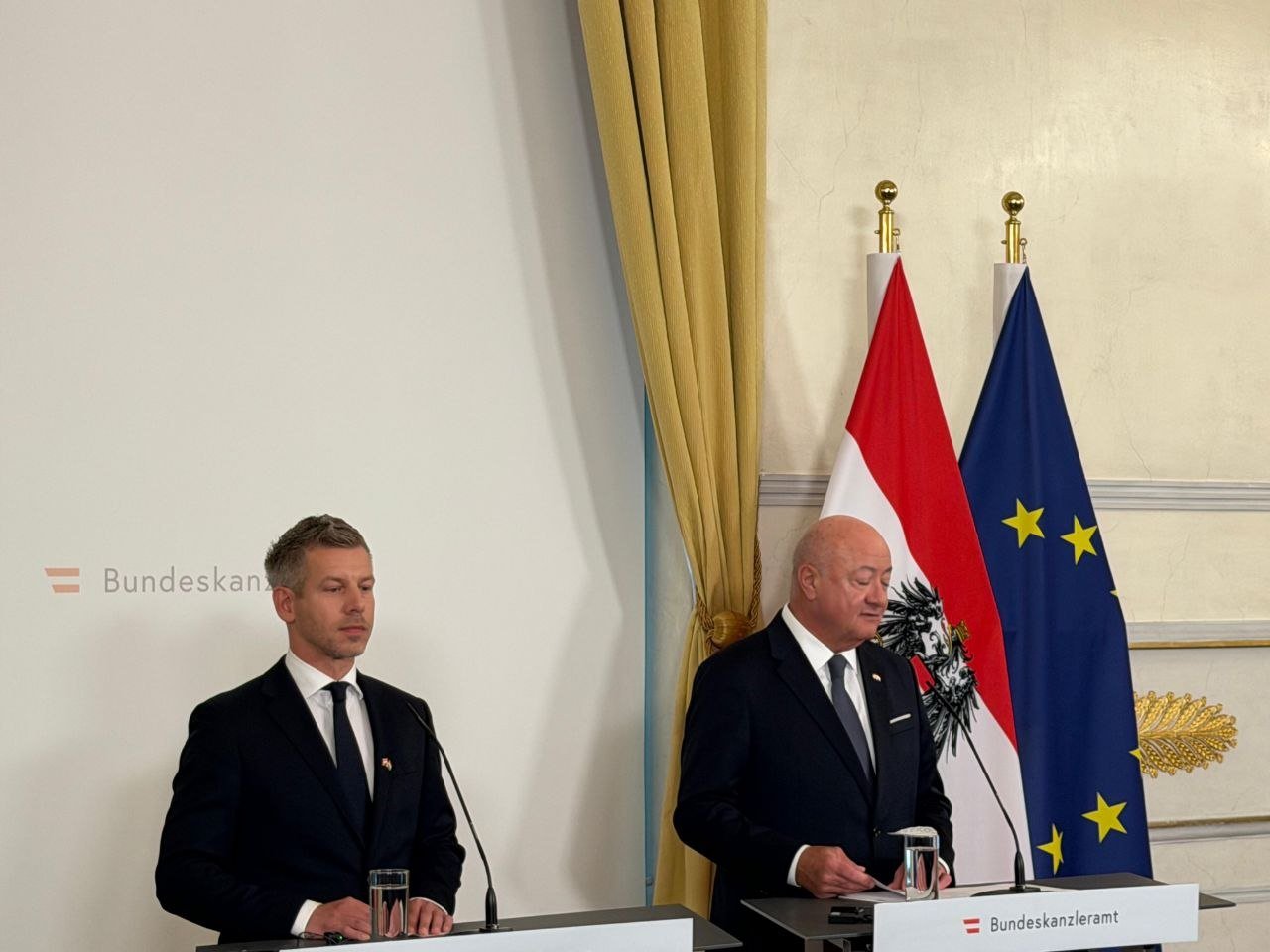
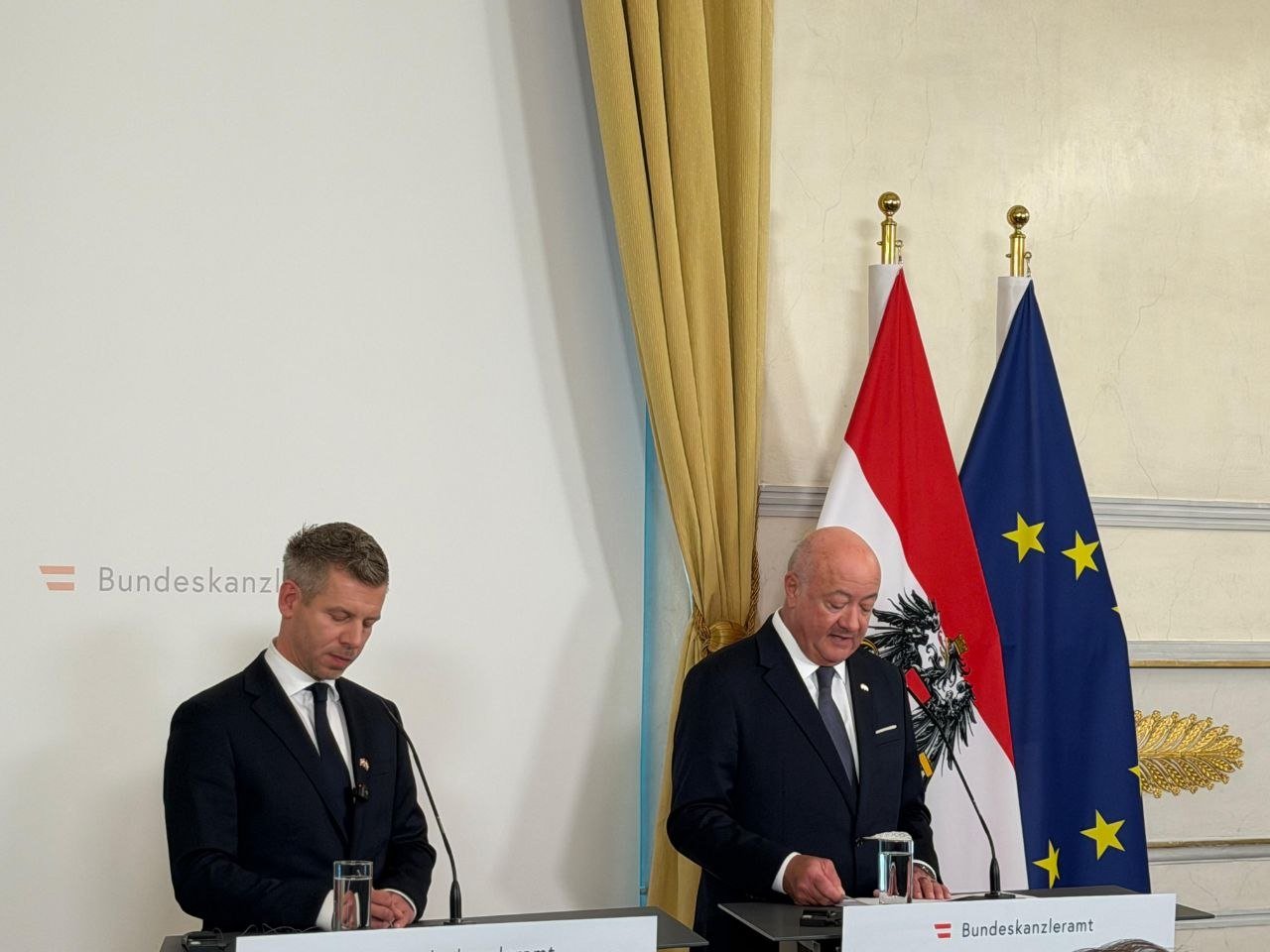
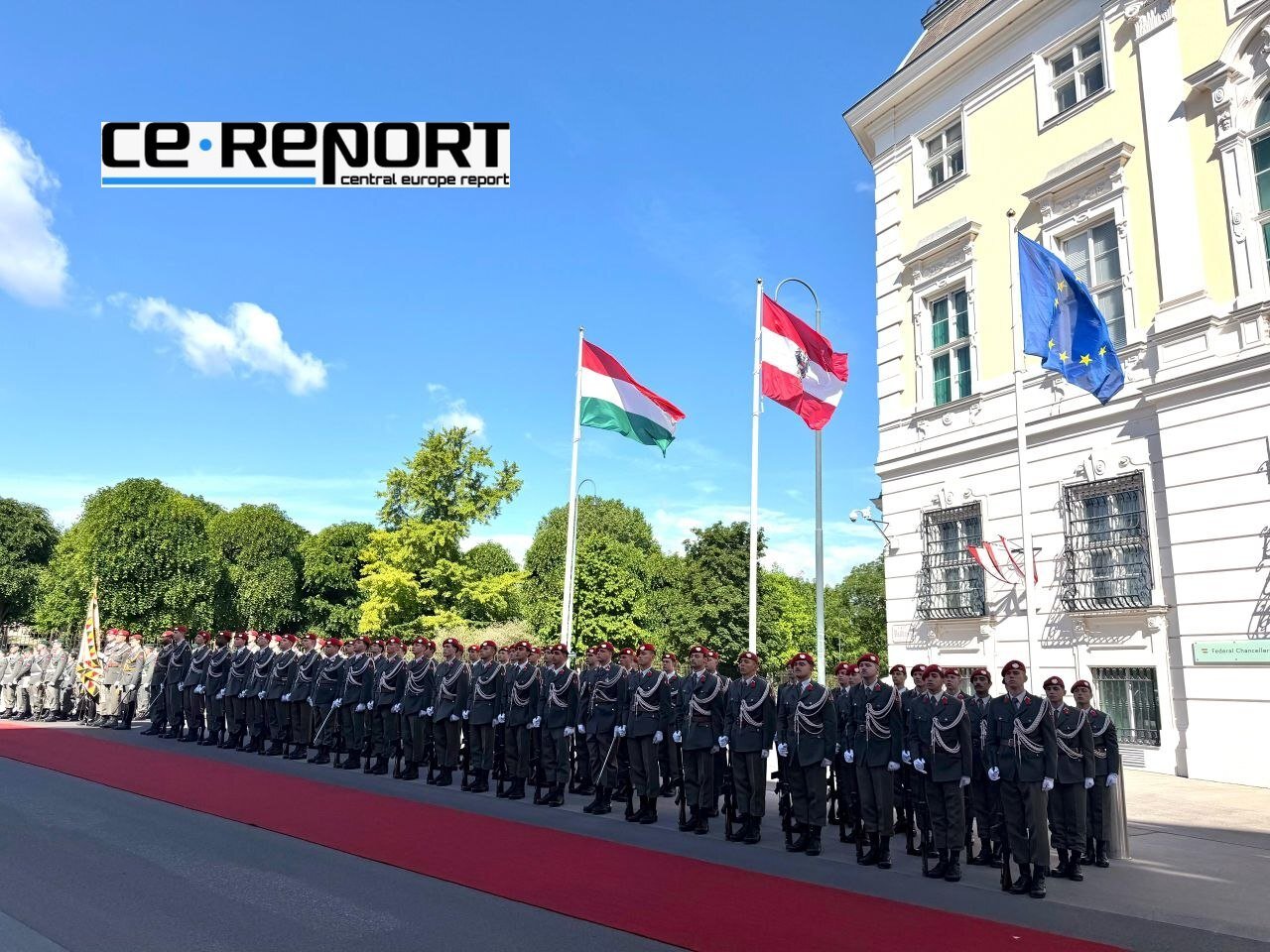
Péter Magyar’s arrival in Vienna was carefully staged to underline the importance of the occasion. Similar to his reception in Warsaw, he was welcomed with military honors at Vienna’s Ballhausplatz by Austrian Chancellor Christian Stocker. The symbolism was unmistakable. Austria sought to signal that Hungary under Magyar would once again be treated as a trusted and respected European partner.
The composition of the Hungarian delegation reinforced the strategic nature of the visit. Alongside Magyar traveled Foreign Minister Anita Orbán, Minister of Transport and Investment Dávid Vitézy, Minister of Energy and Economy István Kapitány, and Minister for the Living Environment László Gajdos. This indicated that the visit was not merely ceremonial but focused on concrete political, economic, environmental, and infrastructural cooperation.
The Austrian Chancellor openly linked the Hungarian elections to broader European developments. According to Stocker, the Hungarian voters had rejected political isolationism and opted for a more civic and cooperative European orientation. This statement reflected wider European expectations that Hungary would now pursue a less confrontational relationship with Brussels after years of disputes under Viktor Orbán.
Magyar also framed the visit historically and symbolically. During the meeting, Stocker reportedly showed him the office once used by Count Gyula Andrássy, one of the most prominent statesmen of the Austro-Hungarian Monarchy. Magyar referred to Andrássy’s legacy as evidence that Austria and Hungary are capable of resolving even difficult issues through cooperation and mutual understanding. By invoking this historical reference, Magyar attempted to position modern Austrian-Hungarian relations within a broader Central European historical continuity rather than as merely pragmatic contemporary diplomacy.
Austria and Hungary in a new Central European framework
One of the most important dimensions of the Vienna visit was the emphasis both leaders placed on regional cooperation in Central Europe. Under Orbán, Hungary increasingly pursued an isolated and often confrontational political course within the European Union. Although the Visegrád Group originally served as a platform for regional cooperation among Hungary, Poland, Slovakia, and the Czech Republic, the alliance became weakened after Russia’s invasion of Ukraine. Diverging positions toward Moscow created deep tensions, particularly between Hungary and Poland.
Magyar’s visits first to Poland and then Austria therefore represented an attempt to rebuild and redesign Central European cooperation. Both Stocker and Magyar emphasized that neighboring countries must coordinate more effectively if they want to strengthen their political and economic influence inside the European Union.
The discussion implicitly touched upon two important regional formats: the Visegrád Group and the so-called “Central Five” framework. The latter, promoted increasingly by Austria in recent years, envisions broader Central European cooperation that includes Austria alongside neighboring post-communist states. Unlike the more politically contentious Visegrád format, the Central Five concept emphasizes practical regional coordination in infrastructure, energy, migration management, and competitiveness.
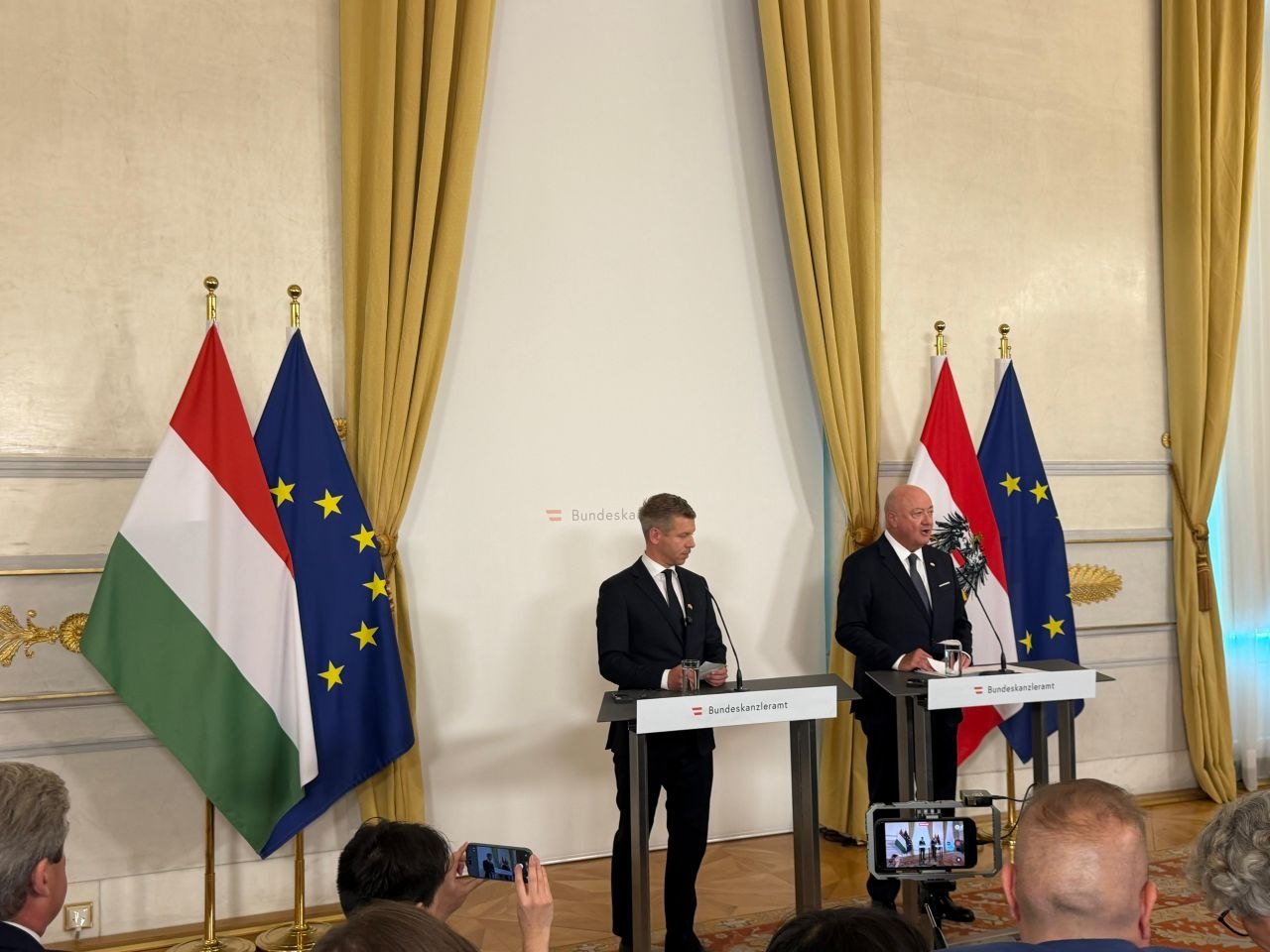
Stocker argued that Austria and Hungary are “stronger together when we act as a region.” This statement reflected growing recognition that Central European states cannot effectively compete economically or politically if they remain fragmented. Magyar echoed this view by stressing that Central Europe should not merely follow the decisions of larger Western European powers but actively shape European policy itself.
This regional dimension is particularly important because Central Europe today faces multiple simultaneous challenges: energy insecurity, declining competitiveness, demographic pressures, migration management, and geopolitical uncertainty resulting from the war in Ukraine. Magyar appears to envision Hungary as a constructive regional actor capable of balancing national interests with broader European cooperation.
Energy security
Energy policy emerged as one of the central strategic themes of the Austrian visit. The Russia-Ukraine war fundamentally transformed European debates on energy security, particularly in Central Europe, where many states historically depended heavily on Russian natural gas and oil.
Both Austria and Hungary have long maintained significant economic and energy ties with Russia. However, the war exposed the vulnerabilities created by excessive dependence on a single supplier. During the press conference, Stocker emphasized that Europe must avoid becoming dependent on anyone in strategic sectors, especially energy.
Magyar strongly supported this position and repeatedly stressed the importance of diversification. Using a simple economic analogy, he compared energy diversification to a greengrocer sourcing apples from several suppliers instead of relying on only one. According to Magyar, diversification ensures both stability and lower prices because suppliers must compete.
This position represents a significant rhetorical shift compared to Viktor Orbán’s energy policy, which often defended close cooperation with Russia as an unavoidable economic necessity. While Magyar does not advocate abruptly severing all relations with Moscow, he clearly supports reducing strategic dependence through alternative supply routes, renewable energy investments, and stronger European energy cooperation.
The discussion also connected energy policy to broader questions of European competitiveness. Both leaders argued that high energy costs have weakened European industries and undermined the continent’s economic position globally. Magyar noted that Europe had already been losing competitiveness for several years, while the energy crisis intensified the problem further.
Interestingly, neither leader rejected environmental goals outright. Instead, they criticized aspects of the European Green Deal for undermining industrial competitiveness through excessively ambitious regulations. Magyar argued that Europe had imposed environmental standards that many global competitors do not follow, encouraging companies to relocate production outside Europe. Nevertheless, he also acknowledged the visible effects of climate change in Hungary, particularly droughts, and insisted that environmental protection remains necessary.
Thus, the Vienna discussions reflected a broader emerging Central European consensus: climate policy should continue, but it must be balanced with economic competitiveness and energy security.
Bilateral topics: infrastructure, mobility, and economic interdependence
Another key dimension of the visit involved infrastructure and transportation policy. Austria and Hungary are deeply interconnected economically, and thousands of Hungarians commute daily to Austria for work. Yet under previous governments, transport and border issues frequently became sources of political tension.
Magyar and Stocker discussed major infrastructure projects, including the modernization of the Budapest-Vienna railway line and the extension of the Győr-Sopron highway into Austria. Such projects carry economic as well as political importance because they strengthen regional integration and facilitate labor mobility and trade.
Border controls represented another sensitive issue. Austria repeatedly reintroduced border checks in response to migration concerns, creating difficulties for cross-border commuters. Magyar promised that Hungary would continue preventing illegal migration toward Austria and thanked Stocker for efforts to reduce disruptions caused by the border measures.
Economic relations were equally significant. Austrian companies are among the largest investors in Hungary, especially in banking, retail, energy, and manufacturing sectors. During the talks, Stocker raised concerns regarding Hungarian special taxes that Austrian businesses considered discriminatory. The Austrian Chancellor emphasized that resolving these disputes would be essential for rebuilding trust.
The economic dimension of the visit therefore demonstrated Magyar’s attempt to reassure Western investors and present Hungary as a stable and predictable economic partner once again.
One of the most controversial topics discussed in Vienna concerned asbestos contamination in western Hungary linked to aggregates sourced from Austrian mines in Burgenland. The issue evolved into both an environmental and political crisis because asbestos-containing rocks reportedly entered commercial circulation and were sold in Hungary.
Magyar treated the matter with unusual openness and transparency. He acknowledged the seriousness of the contamination and emphasized that the health of affected citizens must remain the highest priority. According to him, contamination levels in one Hungarian municipality exceeded permissible limits by three hundred times.
Rather than escalating the issue into a nationalist dispute, Magyar framed it as a shared challenge requiring bilateral cooperation. Both governments agreed to establish a joint expert committee composed of environmental, health, and legal specialists.
Magyar repeatedly invoked the international “polluter pays” principle, insisting that whoever caused the contamination, whether private companies or public authorities must ultimately bear responsibility. At the same time, he emphasized that the issue should not damage Austrian-Hungarian friendship or cooperation.
This handling of the asbestos issue revealed an important aspect of Magyar’s diplomatic style. Unlike the confrontational political rhetoric often associated with Orbán-era diplomacy, Magyar presented disputes as solvable through institutional dialogue, transparency, and joint problem-solving mechanisms.
Distancing from European populism
An important indirect aspect of the Vienna visit concerned the political positioning of Magyar’s Tisza Party within the broader European conservative landscape. Question asked regarding possible cooperation between Tisza and the Austrian far-right Freedom Party (FPÖ), particularly because both parties appeal to conservative and nationally oriented voters.
Magyar, however, responded carefully and diplomatically. Without directly attacking the FPÖ, he made clear that Hungary did not need extremist or populist forces in positions of power. This was an important message both domestically and internationally.
Magyar’s political strategy depends heavily on maintaining a delicate balance. On the one hand, he appeals to conservative voters who previously supported Orbán and continues to emphasize national interests and cultural identity. On the other hand, he seeks to reassure Western European governments and investors that Hungary under his leadership will remain committed to democratic institutions, European cooperation, and political moderation.
His distancing from far-right populism is therefore not accidental. It forms part of a broader effort to reposition Hungary as a conservative yet constructive European state rather than a symbol of illiberal nationalism.
Péter Magyar’s visit to Austria was far more than a routine diplomatic meeting between neighboring states; it served as a geopolitical signal of Hungary’s strategic reorientation after the Orbán era. The Vienna talks demonstrated the new Hungarian government’s intention to rebuild trust with Western European partners while simultaneously revitalizing regional cooperation frameworks in Central Europe, including the Visegrád Group and broader “Central Five” initiatives. The discussions highlighted the key pillars of Magyar’s emerging foreign policy: constructive engagement within the European Union, stronger regional partnerships, energy diversification and the gradual reduction of dependence on Russia, infrastructure modernization, economic competitiveness, and pragmatic diplomacy based on dialogue rather than confrontation. At the same time, Magyar’s political positioning remains complex and carefully balanced. Although he promotes conservative national interests and patriotic rhetoric, he also distances himself from extremist populism and rejects the idea of empowering radical far-right forces, as reflected in his cautious response regarding possible cooperation with Austria’s FPÖ. His approach therefore represents an attempt to combine democratic moderation, pro-European cooperation, and national conservatism within a new Central European political framework. Ultimately, the Austrian visit revealed how Hungary under Péter Magyar seeks to redefine itself not as an isolated challenger of the European order, but as a pragmatic and influential Central European actor committed to regional coordination, strategic stability, and reintegration into the European mainstream.
Photo/Video: CE Report
Gallery