Romania continues active support for Moldova’s EU path - EXCLUSIVE
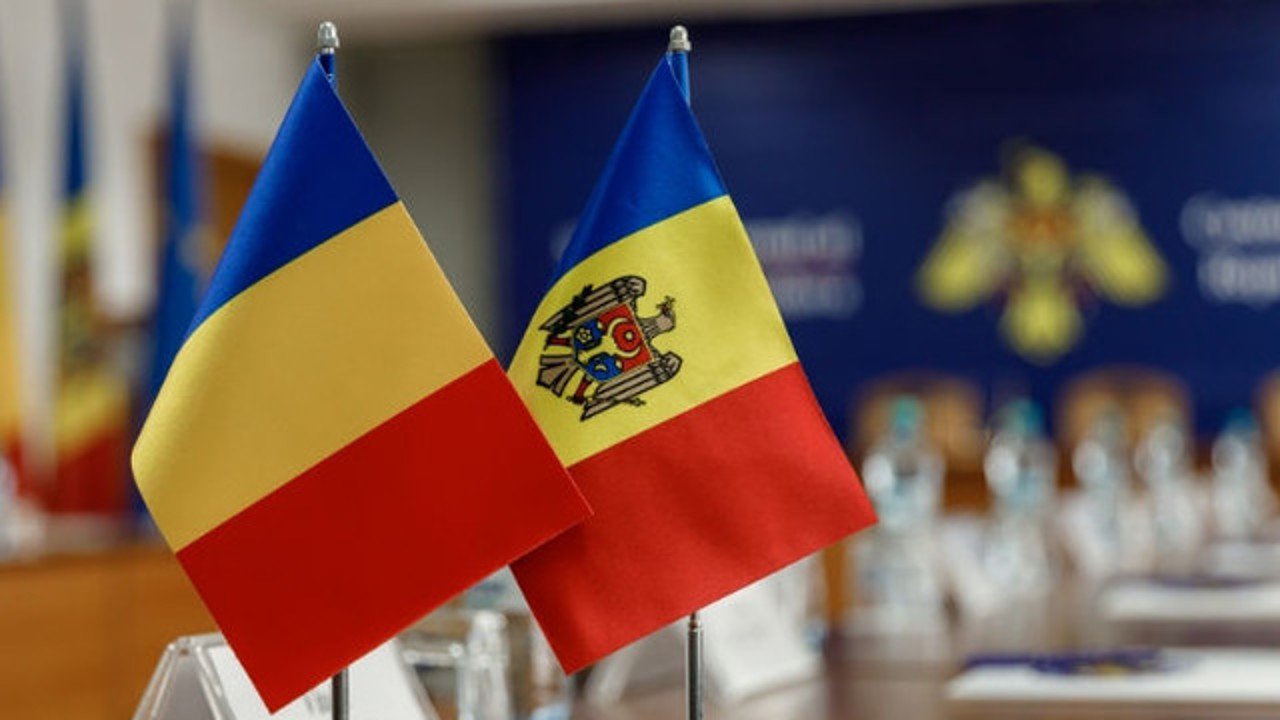
Romania maintains a very special and privileged relationship with the Republic of Moldova, built on shared language, history, and culture, as well as a Strategic Partnership signed in April 2010. In recent years, political dialogue between the two countries has reached unprecedented levels, with numerous high-level bilateral visits strengthening cooperation across multiple sectors.
This was said by the source in the Ministry of Foreign Affairs of the Republic of Romania in an exclusive interview with CE Report.
Romania and Moldova enjoy active parliamentary diplomacy and extensive sectorial collaboration, with a variety of projects underway in energy, transport, infrastructure, education, and cultural heritage. Among these, significant efforts are focused on enhancing energy and transport interconnections. Transport cooperation has recently advanced with works on the Ungheni–Ungheni bridge, the first new bridge over the Prut River in more than 60 years. This bridge will link directly to Romania’s A8 highway, improving connectivity and bringing Moldova closer to the European Union.
In the energy sector, the Iasi-Ungheni-Chisinau gas pipeline already plays a key role in ensuring Moldova’s energy security. Romania is also pursuing the expansion of electricity grid interconnections, with two major 400 kV overhead lines planned: Suceava–Balti and Straseni–Gutinas. Furthermore, Romania is implementing a EUR 100 million assistance package for Moldova, covering public infrastructure, regional development, education, and cultural heritage. Moldova remains the largest recipient of Romania’s official development assistance.
Regarding Moldova’s European integration, Romania continues to actively support Chisinau across all six EU clusters and related dossiers. Romanian experts provide technical assistance to help Moldovan institutions implement EU legislation and reforms, a process facilitated by the shared language. Politically, Romania advocates for Moldova in dialogues with EU institutions and Member States. Infrastructure and energy projects further underpin Moldova’s gradual integration into the EU Single Market.
Amid current regional security challenges, Romania is reinforcing strategic cooperation with Moldova. The country remains the second most affected by Russia’s unprovoked aggression against Ukraine and faces ongoing hybrid threats. Romania has strengthened political dialogue, regional coordination, and strategic cooperation, participating in EU and NATO initiatives such as the European Peace Facility and the DCB Trust Fund. A trilateral Romania–Moldova–Ukraine format has also been established, including the Cyber Alliance for Regional Resilience, which enhances the regional response to hybrid threats. These efforts have contributed to Moldova’s growing resilience, as demonstrated by its effective handling of hybrid threats during the 2024–2025 parliamentary elections.