Moldova’s Foreign Ministry outlines central pillars of cooperation with Azerbaijan - EXCLUSIVE
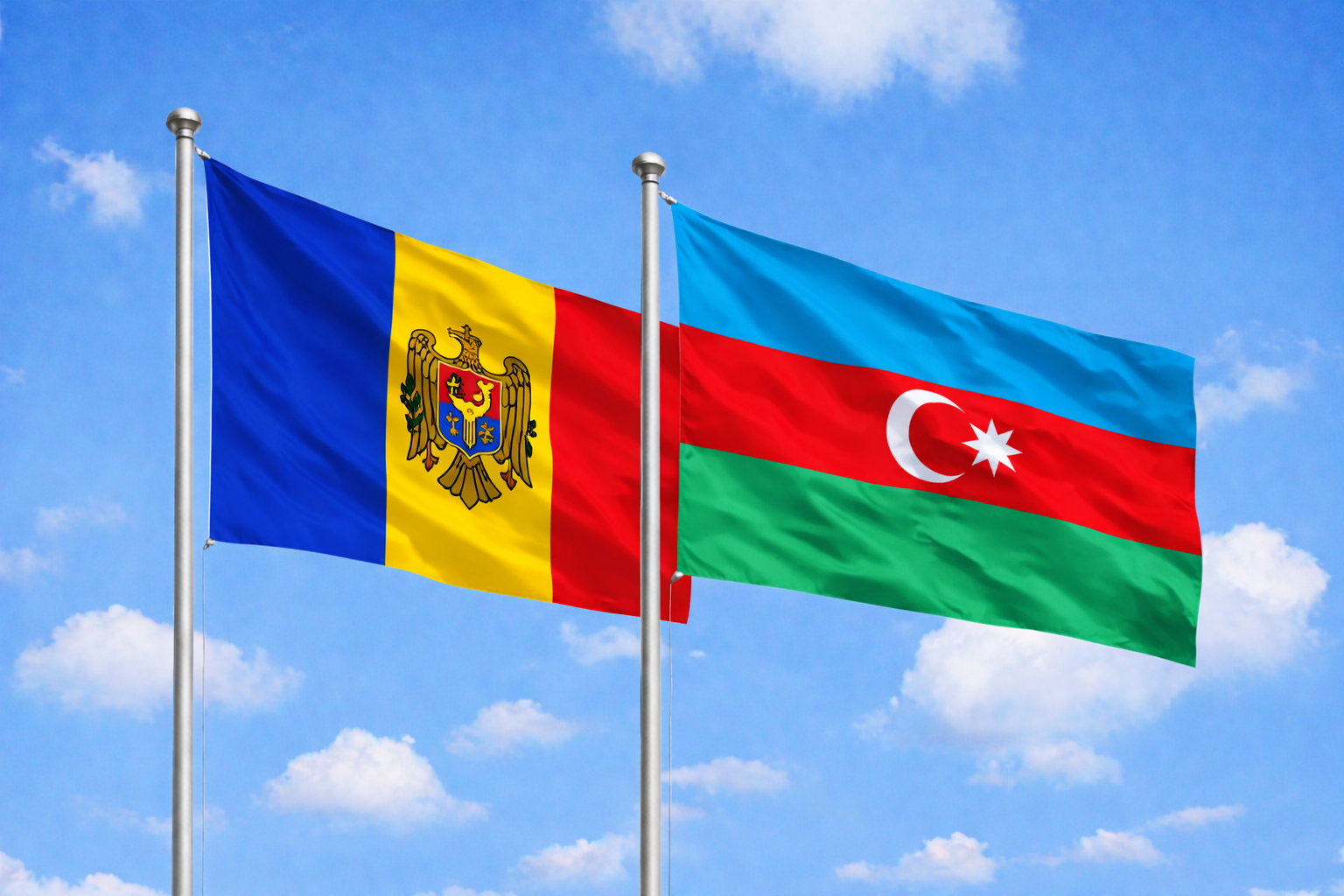
The Republic of Moldova is looking to strengthen its cooperation with Azerbaijan, particularly in the energy sector, as both countries expand their bilateral relations and strategic dialogue.
In comments provided to the press, Moldova’s Public Diplomacy, Strategic Communication and Press Relations Division highlighted that Chișinău welcomes the signing of a Plan of Consultations between the foreign ministries of Moldova and Azerbaijan for 2026–2027, which establishes a framework for regular discussions on bilateral and multilateral cooperation.
This was said by the source in the Ministry of Foreign Affairs of the Republic of Moldova in an exclusive interview with CE Report.
The consultations will cover a wide range of issues, including the development of the bilateral legal framework and consular matters, signaling an intention to deepen institutional ties between the two countries.
Energy cooperation is expected to become one of the central pillars of this relationship. Moldovan authorities emphasized that ensuring energy security through diversification of natural gas sources and supply routes remains one of the government’s top priorities.
Moldova has expressed openness to expanding cooperation with Azerbaijan beyond natural gas supplies to include broader energy projects and infrastructure development. Through its state-owned energy company, Energocom, Moldova maintains ongoing dialogue with SOCAR, Azerbaijan’s state energy company.
In particular, Moldova has shown interest in participating in the Green Energy Corridor, a regional initiative aimed at exporting renewable electricity from Azerbaijan to European markets.
The Moldovan side also noted that the involvement of Azerbaijani companies in key projects in Moldova would be welcomed. Opportunities exist not only for purchasing Azerbaijani natural gas and oil products, but also for implementing joint initiatives in sustainable energy, including electricity and renewable energy development.
Looking ahead, Moldova sees potential for cooperation across a wider spectrum of the energy sector. Possible areas include diversification of energy supplies, participation in regional energy platforms, and collaboration on infrastructure, storage, and renewable technologies, provided such initiatives prove economically feasible.
Chișinău is also closely following the development of the Green Energy Corridor initiative, which aims to transport green electricity from Azerbaijan to Europe through a proposed submarine power cable across the Black Sea. Moldovan officials believe the project could significantly improve energy connectivity between the South Caucasus and European power systems.
From Moldova’s perspective, regional energy projects of this kind could enhance system stability, strengthen supply security, and contribute to the decarbonization of its power sector. Authorities say the country remains open to continued dialogue with regional partners to evaluate the technical, regulatory, and institutional possibilities for Moldova’s participation in such initiatives.
Officials stressed that any potential involvement would depend on feasibility assessments and prevailing market conditions, but reaffirmed Moldova’s interest in exploring new partnerships that support long-term energy security and sustainable development.
This interview was prepared by Laura Hoffman