Türkiye FM visit to Austria shapes strategic dialogue (PHOTO/VIDEO)
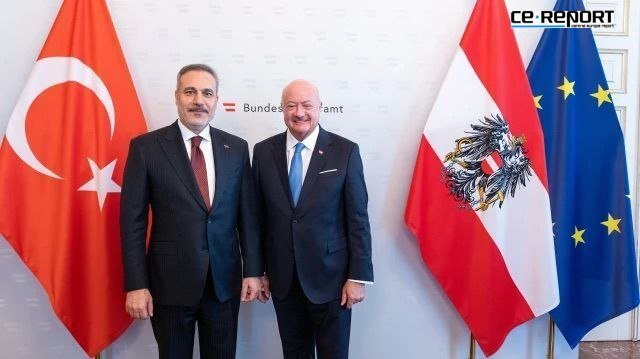
The two-day official visit of Hakan Fidan to Austria marks a significant moment in the evolving relationship between Türkiye and Austria, situating bilateral cooperation within a broader context of regional crises and global geopolitical transformation, CE Report correspondent Aytan Aliyeva reports from Vienna.
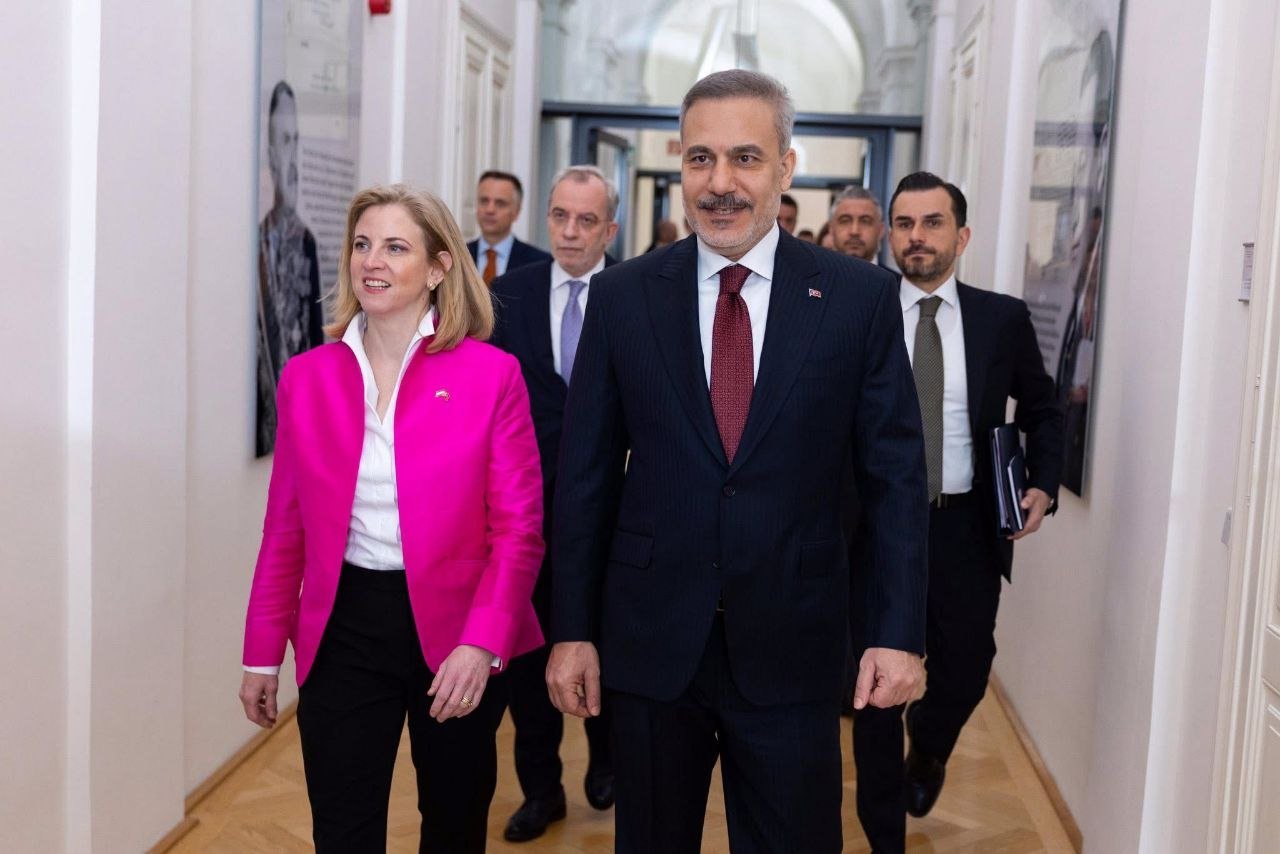
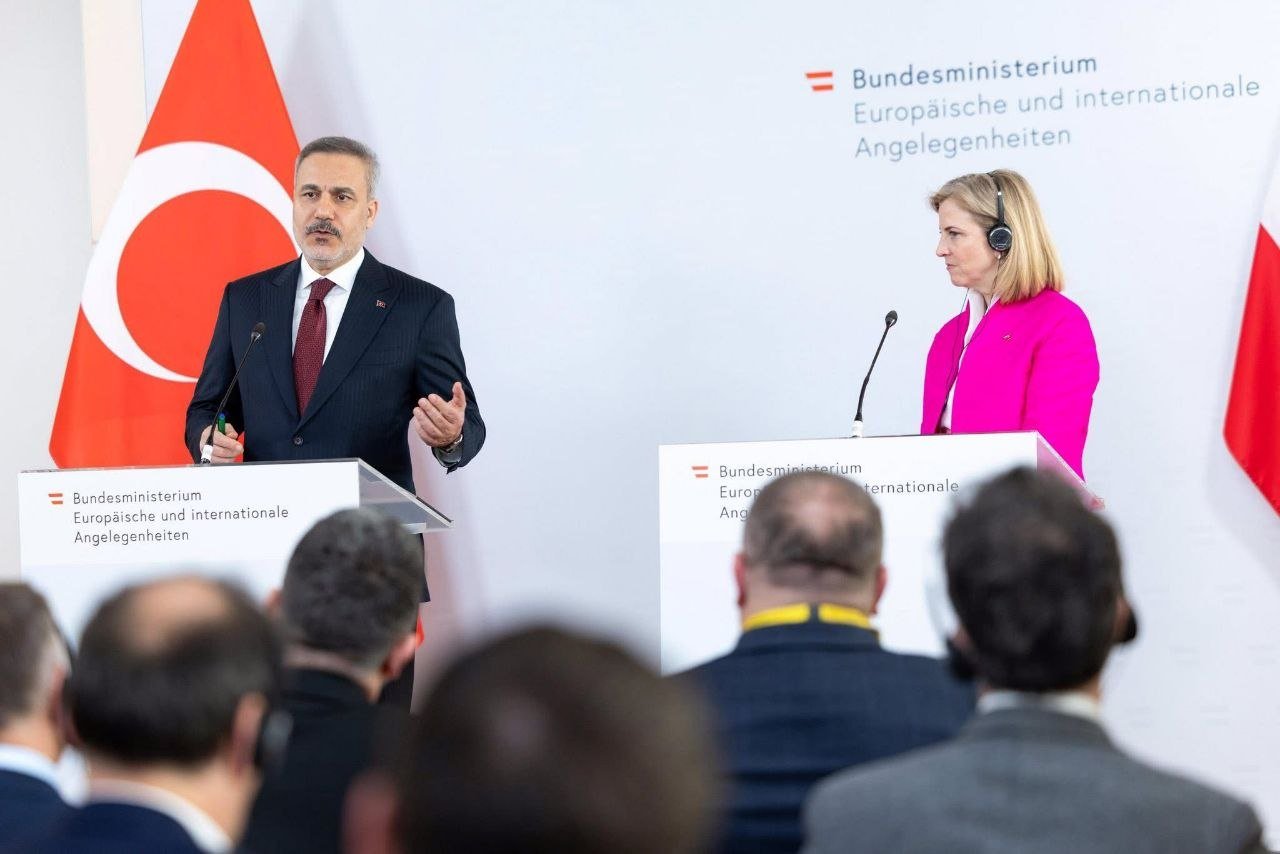
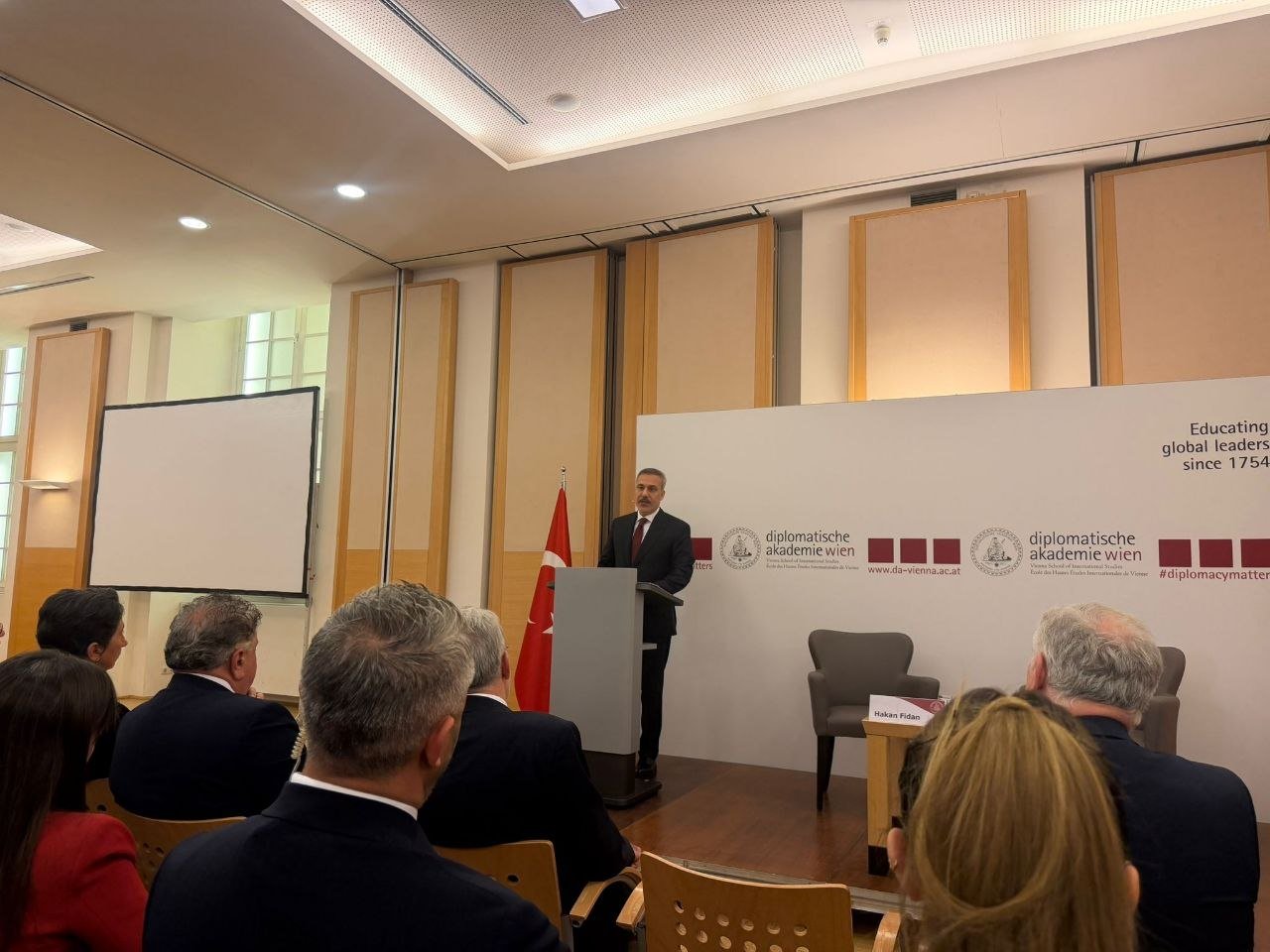
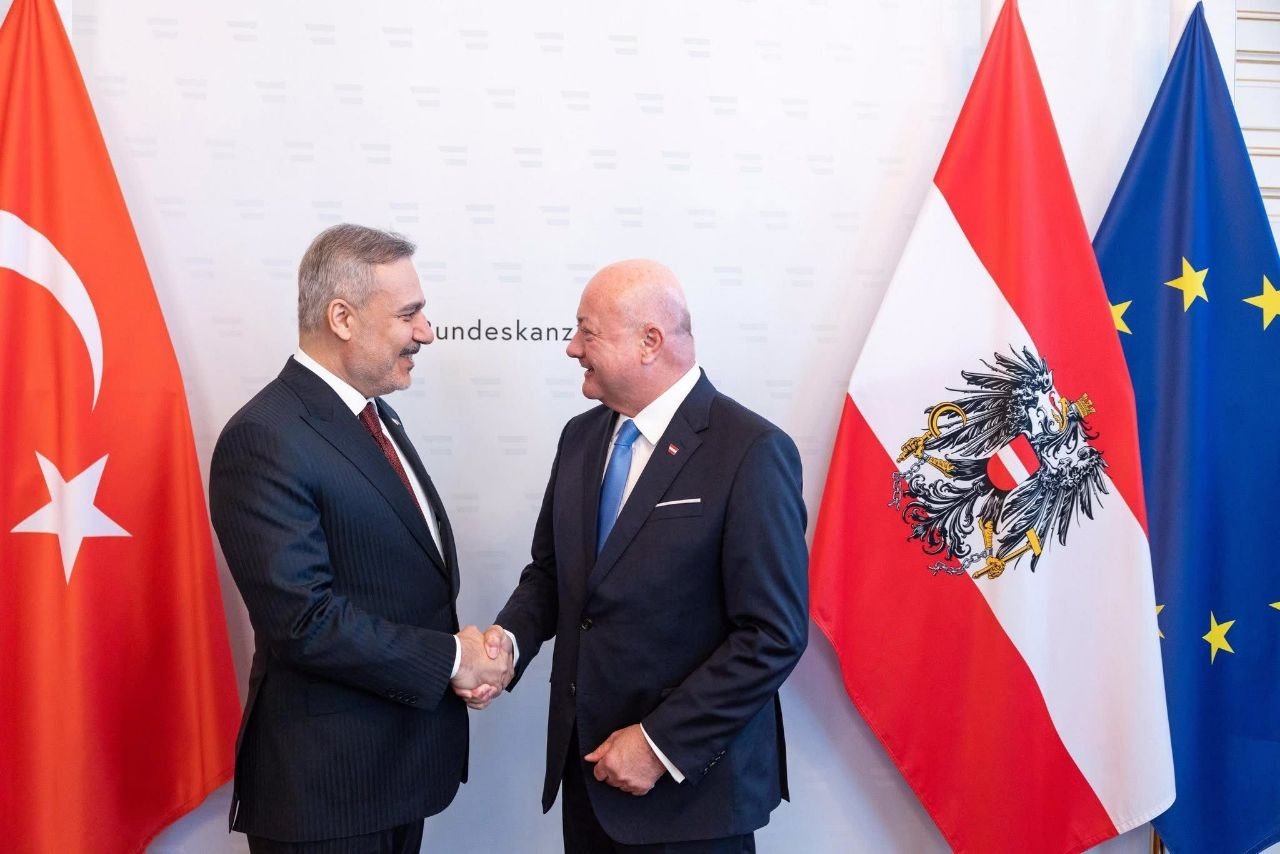
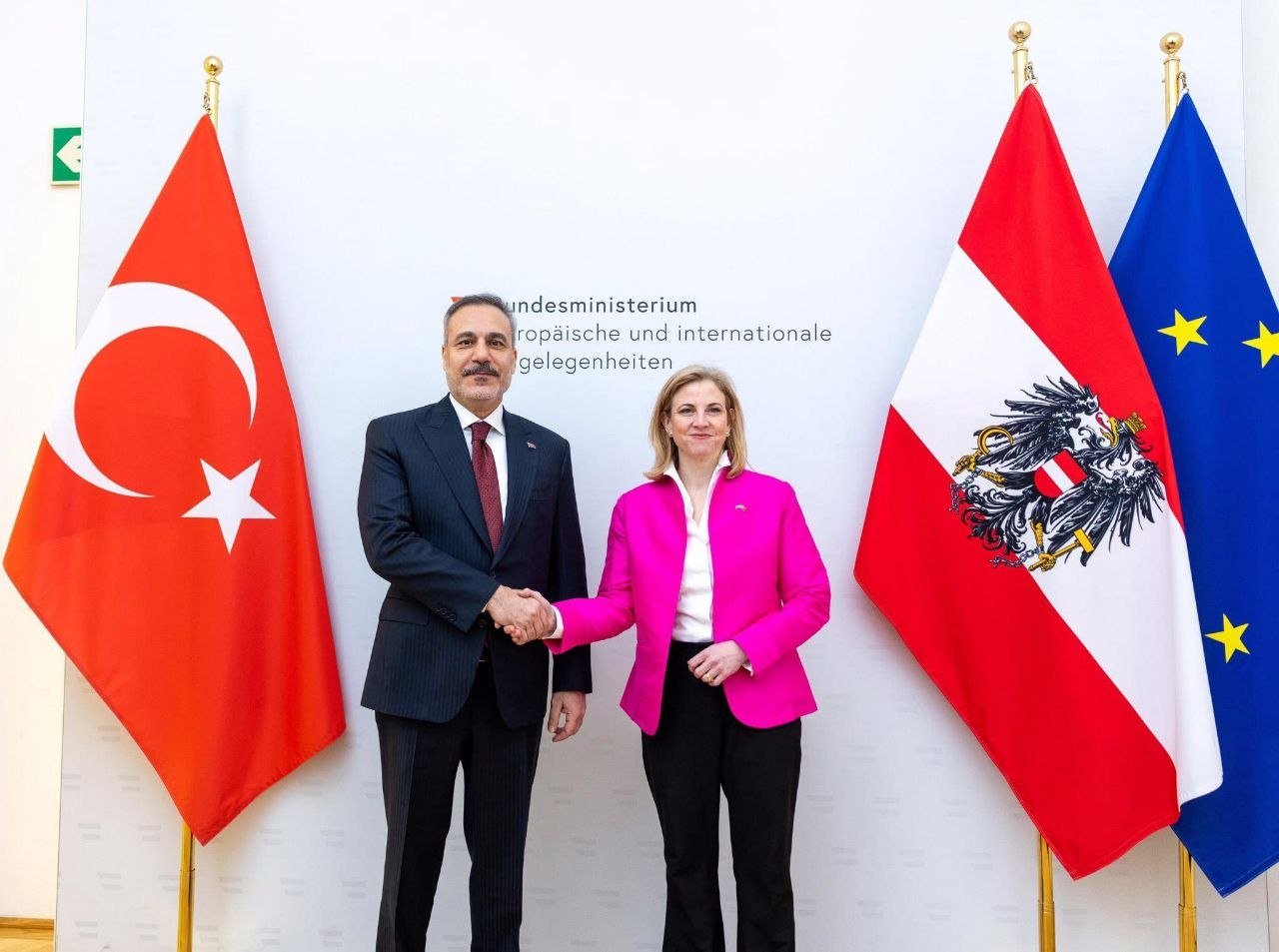
Beginning on April 29, the visit combined high-level political dialogue, public diplomacy, and strategic messaging. It included meetings with Beate Meinl-Reisinger, Austrian Chancellor Christian Stocker, and Feridun Sinirlioğlu, as well as a joint press conference, an address at the Diplomatic Academy of Vienna, and engagement with representatives of Turkish civil society in Austria. These elements offer a comprehensive insight into Türkiye’s current foreign policy priorities and its positioning as a diplomatic actor at the intersection of Europe, the Middle East, and Eurasia.
At the core of the visit lies a strong emphasis on strengthening bilateral relations. Austria and Türkiye, whose historical relationship stretches from periods of conflict during the Ottoman era to alliance in World War I and stable diplomatic ties in the modern period, today maintain a multifaceted partnership. Economic relations have become a key pillar of this partnership. Bilateral trade volume exceeded 4.3 billion USD in 2025, with both governments expressing the intention to increase it to 5 billion USD in the near future. Austrian foreign direct investment in Türkiye has surpassed 11.2 billion USD between 2005 and 2025, while Turkish investments in Austria reached 887 million USD in the same period. These figures underscore a deepening economic interdependence that both sides are keen to expand further.
In this regard, discussions between Fidan and Meinl-Reisinger focused on diversifying cooperation into strategic sectors such as energy, digitalization, connectivity, and the defense industry. These areas reflect not only economic priorities but also the structural transformation of international relations, where technological capacity and infrastructure connectivity increasingly shape geopolitical influence. Energy cooperation, in particular, emerged as a central theme throughout the visit. Austria’s dependence on external energy supplies and Türkiye’s growing role as a transit country and energy hub create significant opportunities for collaboration. Türkiye’s expanding infrastructure, including pipelines and energy terminals positions it as a crucial actor in ensuring Europe’s energy security. Austrian officials highlighted the expertise of their energy companies, while Fidan emphasized the need to translate this potential into concrete projects through coordinated political will and practical implementation.
Another important dimension of the visit is the human and societal link between the two countries. Approximately 350,000 people of Turkish origin live in Austria, forming one of the largest diaspora communities in the country. Fidan stressed that Türkiye attaches great importance to their well-being, prosperity, and social harmony. This focus on diaspora policy reflects a broader understanding of diplomacy that extends beyond state-to-state relations to include societal and cultural dimensions. Tourism also contributes to these connections, with more than 563,000 Austrian tourists visiting Türkiye in 2025, reinforcing mutual familiarity and economic exchange.
The joint press conference between Fidan and Meinl-Reisinger provided a platform for articulating positions on pressing international issues. One of the most prominent topics was the evolving situation in the Gulf region, particularly tensions involving Iran. Fidan emphasized that Türkiye is actively engaged in diplomatic efforts to resolve disputes and is in continuous contact with all relevant parties. He stressed that Türkiye is committed to providing all possible support to facilitate a peaceful resolution, highlighting the intensity of ongoing diplomatic engagement. A key point in his remarks was the importance of extending ceasefires. He noted that initial short-term ceasefires, such as those lasting 15 days are often insufficient to address the complexity of conflicts. Negotiations involve numerous and intricate issues that require time, patience, and sustained effort. According to Fidan, additional extensions are often necessary, and he observed that the parties involved are generally willing to continue negotiations, partly due to international pressure.
The strategic importance of the Strait of Hormuz was also a focal point of discussion. Both ministers agreed that ensuring uninterrupted maritime passage is essential for global economic stability. Fidan highlighted that disruptions in this critical waterway can have immediate and far-reaching consequences for energy markets and global supply chains. He pointed out that even short-term crises in the region can produce effects that surpass those of longer conflicts, illustrating the interconnected nature of modern global systems. Meinl-Reisinger echoed these concerns, emphasizing Austria’s reliance on stable energy supplies and the necessity of maintaining secure transit routes.
The question-answer segment of the press conference further deepened the discussion. When asked about Türkiye’s role as a regional power and its relations with countries such as Pakistan, Fidan underscored the importance of sustained diplomatic engagement and incremental progress. He reiterated that resolving complex conflicts requires time and that the coming days in any negotiation process are often critical. He emphasized that both sides must demonstrate a genuine intention to achieve lasting peace and that diplomatic efforts must be supported by practical measures, such as maintaining open channels and ensuring economic and logistical stability.
On the issue of whether diplomatic solutions are feasible, Meinl-Reisinger offered a nuanced perspective. While reaffirming Austria’s commitment to peaceful conflict resolution and alignment with European Union principles, she acknowledged uncertainty about the effectiveness of diplomacy alone in resolving certain crises. She stressed that states must also consider their national interests, particularly in areas such as economic stability and energy security. This position reflects a pragmatic approach that balances idealistic commitments with strategic realities.
European Union–Türkiye relations constituted another major theme. Fidan reiterated Türkiye’s commitment to full EU membership, in line with the vision articulated by Recep Tayyip Erdoğan. However, he provided a critical assessment of the accession process, arguing that the primary obstacle lies not in Türkiye’s compliance with technical criteria but in the absence of political will within the EU. He pointed to developments since 2007, particularly under Nicolas Sarkozy, as a turning point that halted earlier momentum supported by leaders such as Gerhard Schröder and Jacques Chirac. Fidan emphasized that without a clear political mandate, technical progress alone cannot advance the accession process.
He also highlighted structural constraints within EU decision-making, noting that unanimity requirements allow even small member states to block decisions supported by the majority. This, he argued, creates significant challenges for both accession and broader cooperation. Despite these obstacles, Fidan stressed that geopolitical realities are increasingly forcing Türkiye and Europe to work together. Shared challenges, including the Russian invasion of Ukraine, instability in the Middle East, energy security concerns, and the need to maintain stability in the Balkans create a strong basis for cooperation regardless of formal institutional arrangements.
The Russia -Ukraine war was addressed extensively during both the press conference and Fidan’s lecture. Fidan emphasized that Türkiye remains committed to facilitating a fair and sustainable peace and has actively worked to bring both sides to the negotiating table. He noted that while progress has been made on certain issues, key disagreements particularly regarding territorial control continue to hinder a final agreement. He warned that the geographic containment of the conflict has led to a dangerous normalization, reducing the urgency of international efforts to resolve it. From his perspective, this normalization not only prolongs the conflict but also increases the risk of escalation.
In the Middle Eastern context, Fidan addressed tensions involving the United States, Israel, and Iran, as well as the situation in Gaza. He strongly criticized Israeli policies under Benjamin Netanyahu, accusing the government of violating ceasefires and undermining peace efforts. He argued that these actions pose a threat not only to regional stability but also to global security, particularly given their potential impact on energy markets and migration flows.
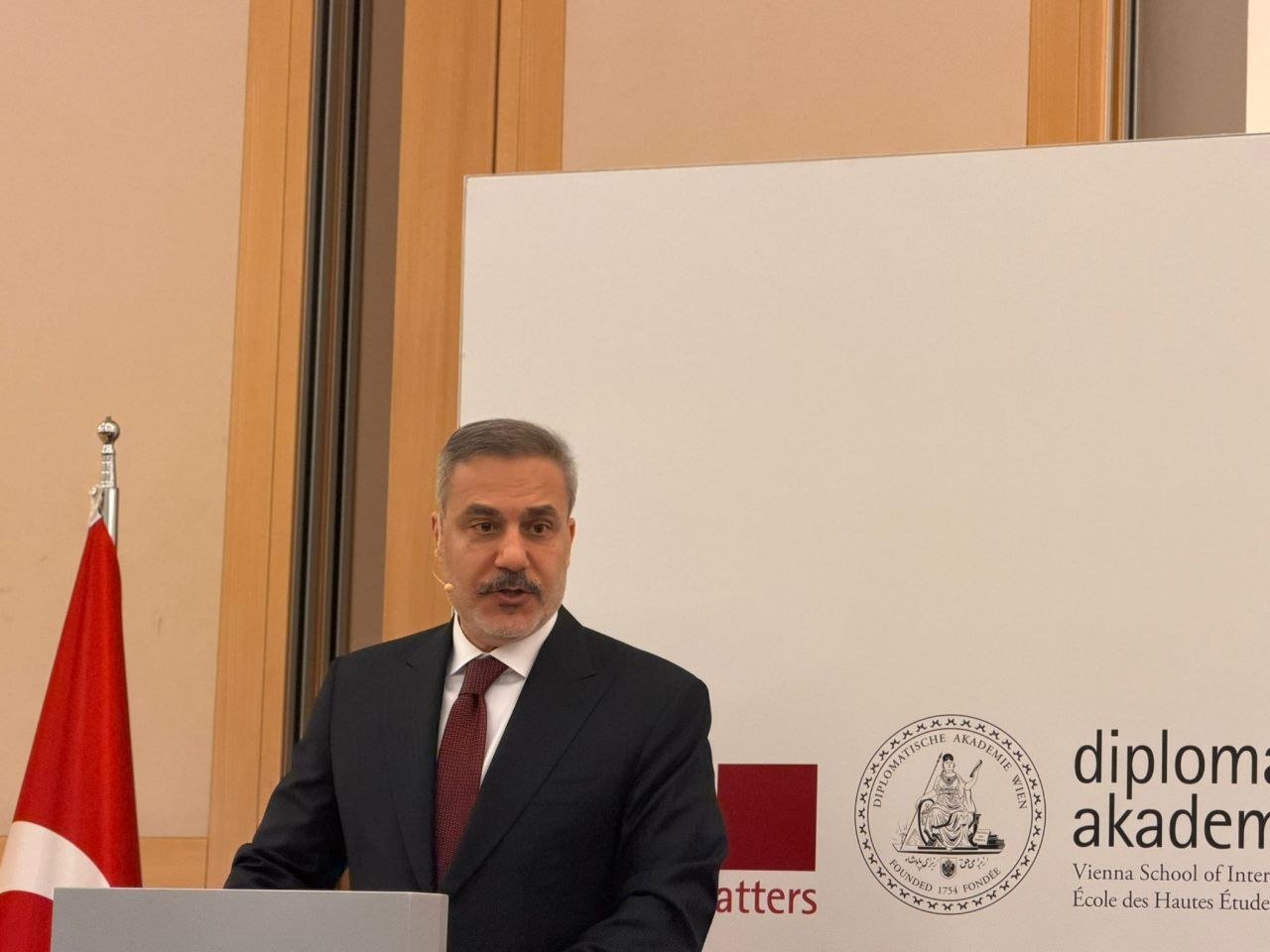
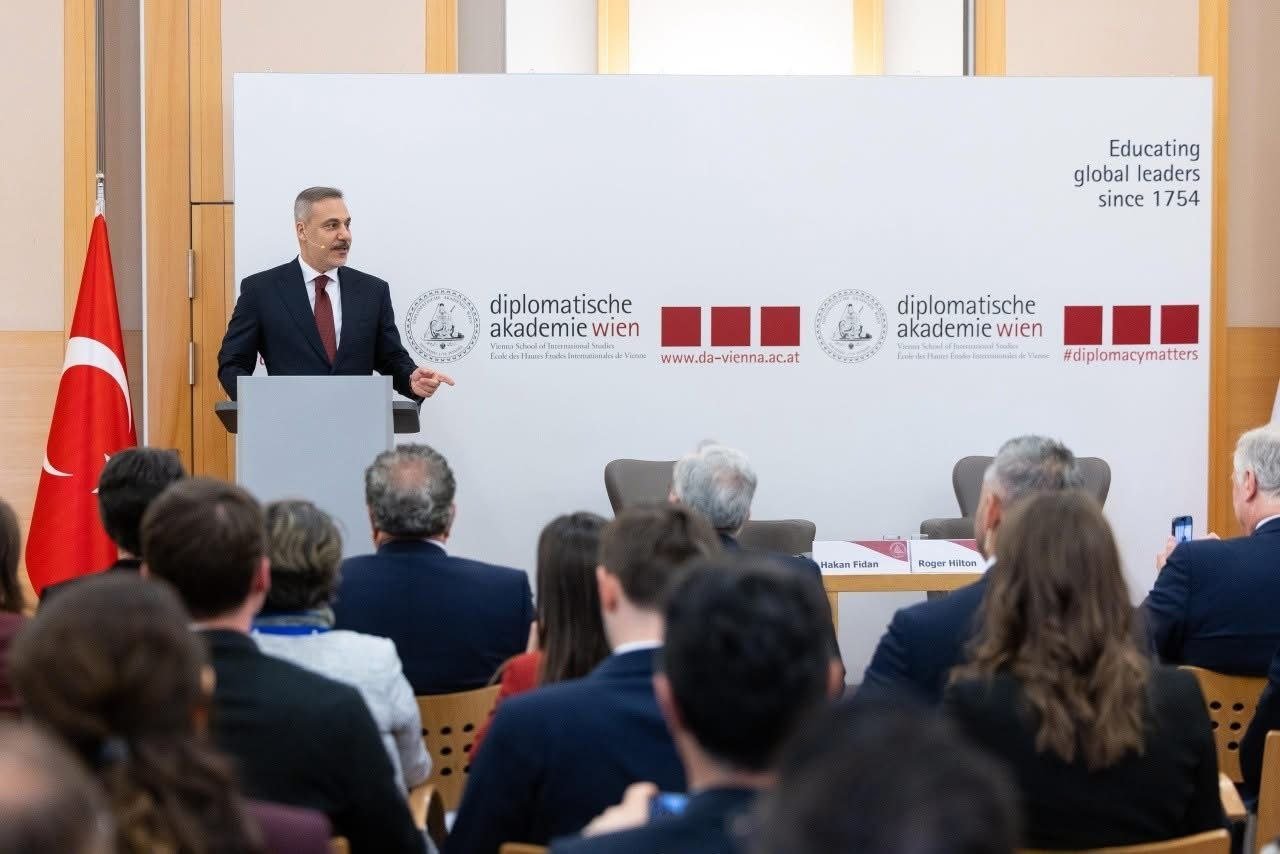
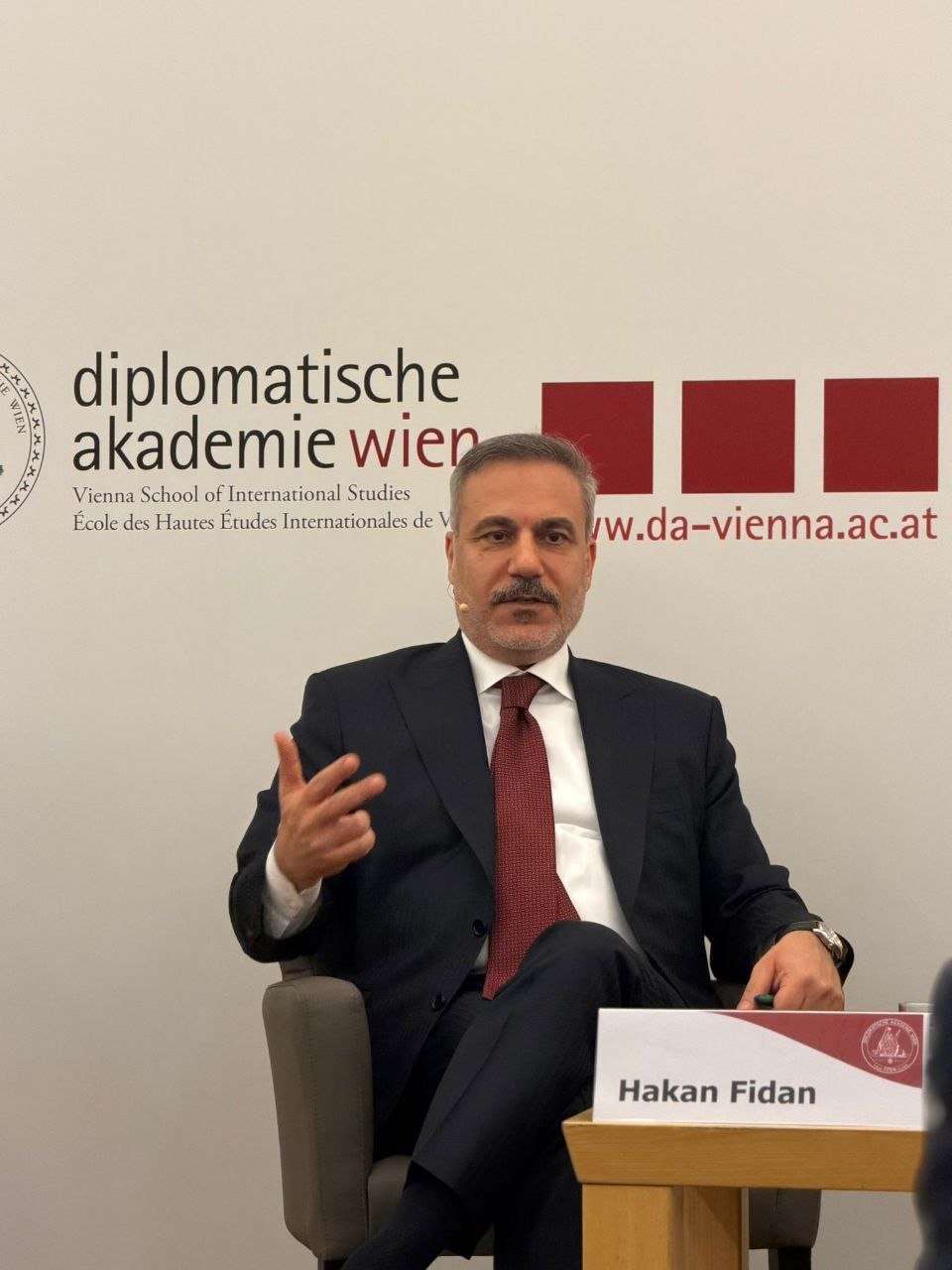
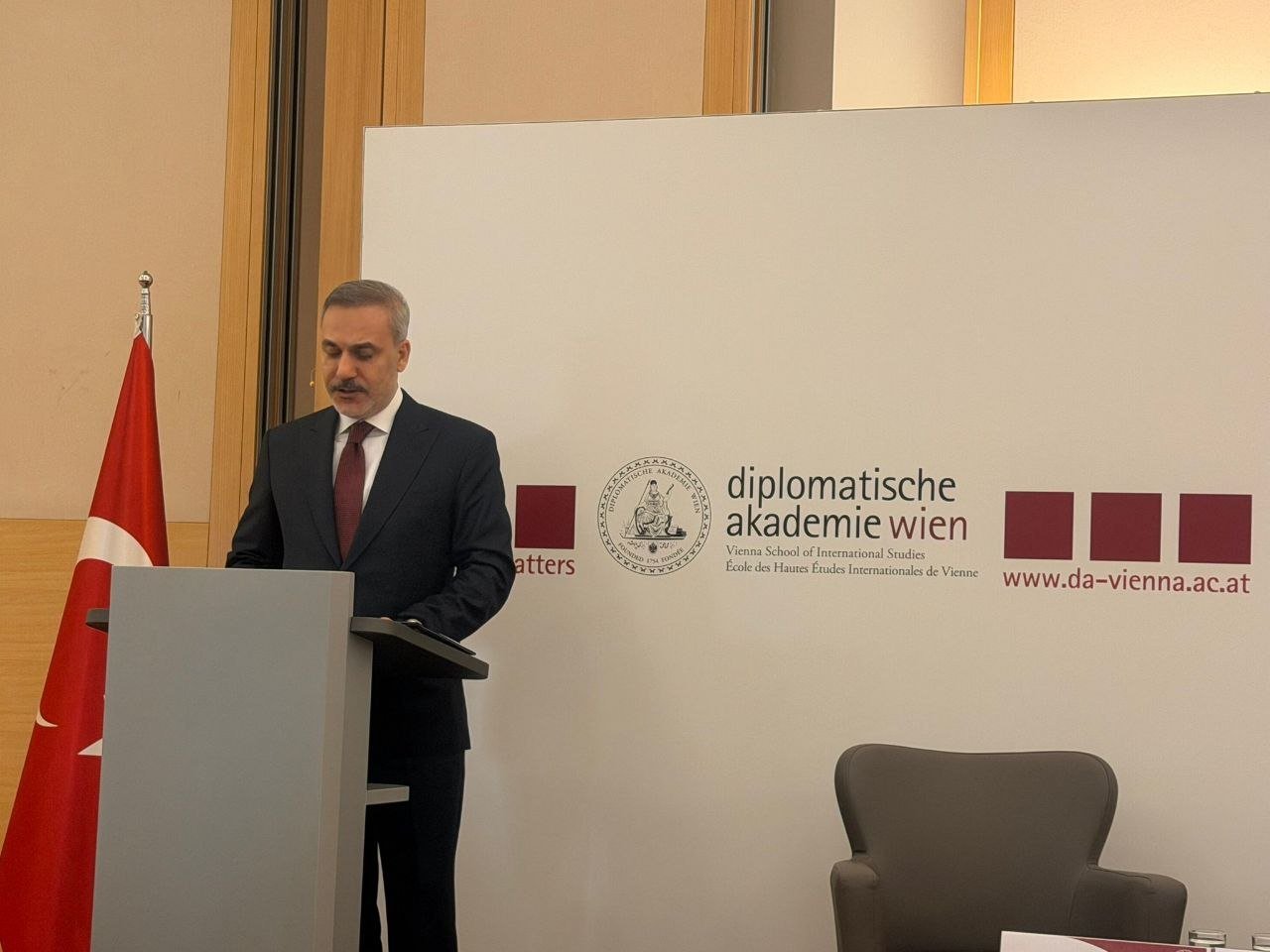
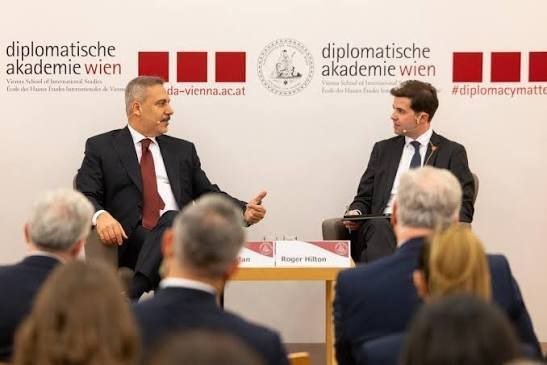
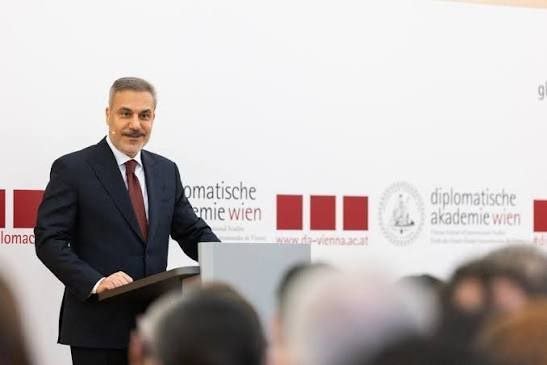
Fidan’s lecture at the Diplomatic Academy of Vienna provided a broader conceptual framework for these positions. He described the current international system as being in a state of transition, characterized by the erosion of established structures and the emergence of new dynamics. He identified three key trends: the diffusion of power, the regionalization of international action, and the renewed importance of diplomacy. A central theme of his lecture was the “dangerous paradox” of modern geopolitics: while military capabilities have become increasingly advanced, strategic thinking has not kept pace. This imbalance leads to conflicts that are tactically sophisticated but strategically incoherent.
In this context, Fidan argued that diplomacy is more important than ever. He rejected the notion that diplomacy is becoming obsolete, emphasizing instead that it has expanded in scope and complexity. Modern diplomats must operate across a wide range of domains, from conflict mediation and crisis management to economic and cultural engagement. He highlighted Türkiye’s diplomatic network, now, one of the largest in the world as evidence of its commitment to active engagement.
Fidan also articulated a vision of diplomacy as both a science and an art, requiring analytical rigor as well as interpersonal skill. He emphasized that the ultimate goal of diplomacy is not coercion but persuasion, and that sustainable solutions can only be achieved through cooperation and dialogue. This perspective underpins Türkiye’s approach to international relations, which prioritizes mediation and connectivity as key instruments.
The visit of Hakan Fidan to Austria, offers a comprehensive overview of Türkiye’s foreign policy at a time of global uncertainty. It highlights the interconnected nature of bilateral relations, regional dynamics, and global challenges, while underscoring the central role of diplomacy in navigating these complexities.
Gallery