OSCE underlines importance of teacher training in BiH curriculum reform - EXCLUSIVE
A key conclusion from the event “Teachers’ Meetings: Our Small and Big Classroom Reforms” organized in Sarajevo by the OSCE Mission to Bosnia and Herzegovina and the Institute for the Development of Pre-University Education of the Sarajevo Canton, was that curriculum reform is not about changing teaching content, but about preparing young people for the future by developing their collaboration, adaptability, creativity, and responsible decision-making skills.
This was said by the source in OSCE Mission to BiH in an exclusive interview with CE Report.
Curriculum reform is creating visible changes where it matters most, in the classrooms and student’s daily learning experiences. Students are no longer passive observers, but increasingly becoming active contributors and co-creators of the learning process. The event also confirmed importance of professional exchange among educators. Building strong learning communities allows teachers to learn from one another, share successful practices and strengthen the quality and consistency of reform implementation across schools.
There is strong and growing commitment from both authorities and teachers to curriculum reform and shifting from traditional teaching to outcome-based curricula. At present, eight cantons are actively implementing the new subject curricula, while two additional administrative units are in the process of developing new curricula. Discussions are ongoing with the remaining two units to ensure country-wide alignment of the reform efforts. This is a long-term process that requires sustained commitment, open dialogue and continuous adjustment. The event showed once more that progress should not only be measured by the adoption of new documents, but by how effectively reforms improve student learning, teacher practices and school culture. Over time, the real impact will also be visible through future international assessments of student achievements. The Mission recognizes that the quality of an education system is directly linked to social cohesion, as it builds skills that enhance resilience to harmful narratives and contributes to future prosperity. Supporting comprehensive curriculum reform contributes to building a more stable and prosperous Bosnia and Herzegovina (BiH).
At the event, the discussion identified several challenges in the transition to a student-centred approach in the classroom. One of the main difficulties is changing the traditional teaching approach, as both teachers and students are often accustomed to teacher-led instruction. Teachers need continuous professional development, practical guidance and peer support to successfully apply new methods and strategies. Schools also need time and institutional support to adapt classroom practices, teaching materials and assessment methods. In addition, assessing students through outcome-based approaches requires new forms of evaluation that focus not only on the reproduction of content, but on students’ skills, participation, creativity, communication, problem-solving and critical thinking. The discussion also highlighted that successful transition requires trust, strong collaboration and continuous adaptation from all participants in the educational process.
The education authorities in BiH are supporting teachers and schools by providing continuous professional development, strengthening schools as learning communities, investing in the development of high quality learning materials. Further support to collaboration among teachers, exchange of successful classroom practices and opportunities for schools to learn from one another will also be key. Regular evaluation processes including feedback from teachers and students will help identify real needs and improve future initiatives. Ensuring that teachers and students feel empowered and supported is critical to sustain curriculum reform and improve learning outcomes. The Mission stands ready to continue supporting BiH education authorities in this process.
The event confirmed that the implementation of new subject curricula based on learning outcomes requires continued commitment and support from both authorities and the broader public. In this spirit, the Mission will continue to support evidence-based reforms, especially using the feedback from classrooms, and promote dialogue among education stakeholders contributing to inclusive, high-quality education. Education reform is not only an educational issue — it is also a long-term investment in peace, security and prosperity. A system that equips young people with relevant knowledge, critical thinking, civic responsibility and future skills contributes to stronger communities, greater social cohesion and better opportunities for young generations in BiH.
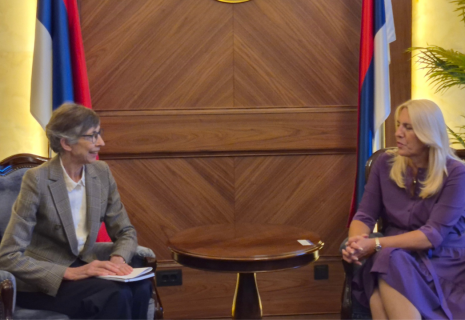
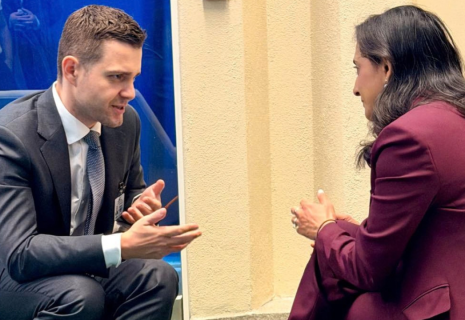
Photo: Facebook/OSCE Mission to Bosnia and Herzegovina
This interview was prepared by Julian Müller