Elon Musk's Grok releases first AI-generated episode of The Odyssey
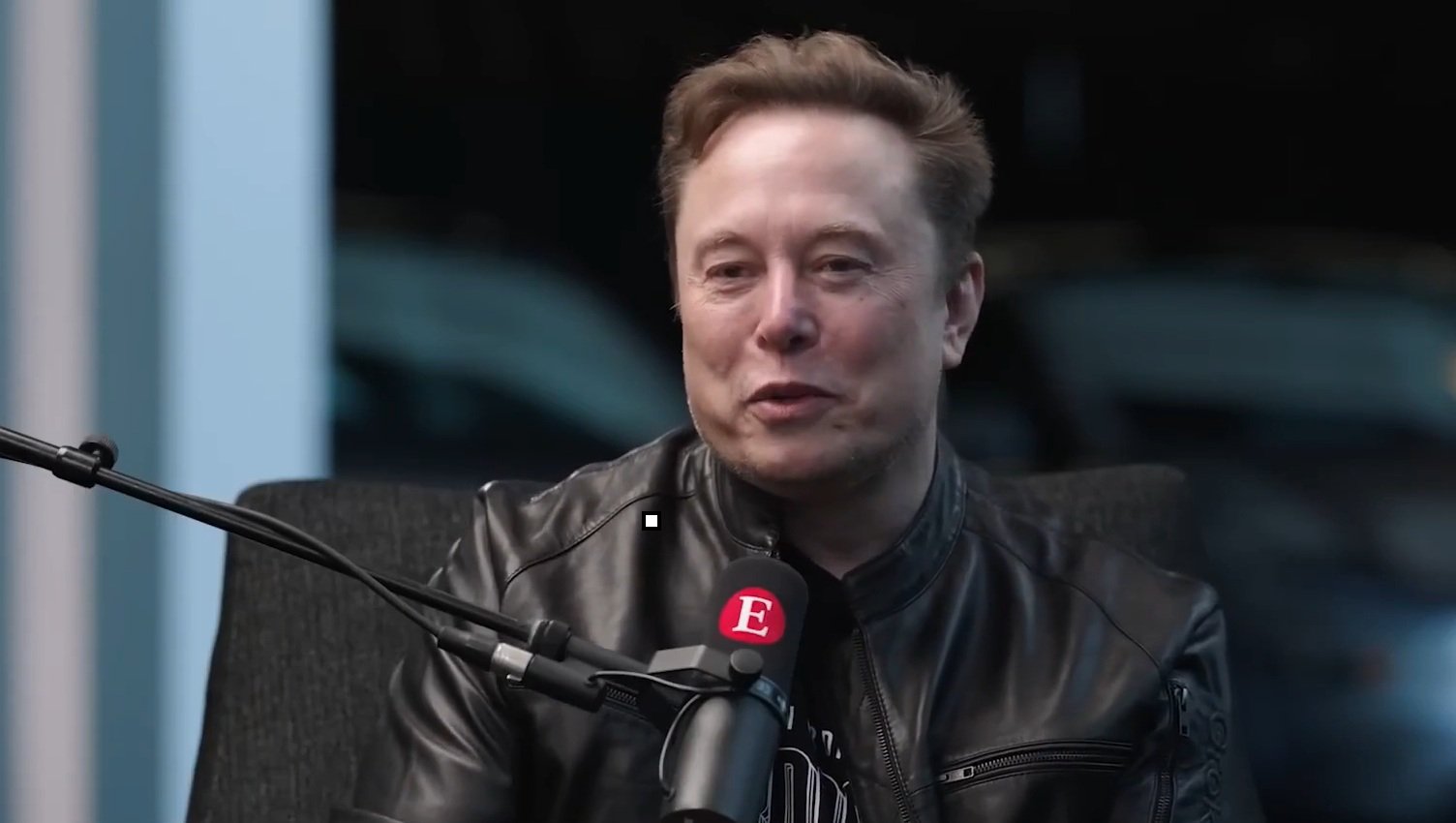
Elon Musk's artificial intelligence chatbot Grok has released a seven-minute short film based on Homer's ancient Greek epic The Odyssey, marking the first installment of a planned AI-generated series.
The video, published on X on October 23, was created using Grok Imagine in collaboration with Wonder Studios and filmmaker Dev Walker, who specializes in AI-assisted filmmaking, CE Report quotes ANSA.
The release comes three months after Musk, the owner of X, announced plans to produce a full-length adaptation of The Odyssey entirely using artificial intelligence.
At the time, Musk promised that the project would remain historically accurate and faithful to Homer's original work, presenting it as an alternative to Christopher Nolan's blockbuster adaptation of the ancient Greek poem.
The announcement followed Musk's public criticism of Nolan's casting decisions, particularly the inclusion of nonwhite and transgender actors.
The dispute highlighted contrasting approaches to filmmaking. Musk has strongly promoted generative artificial intelligence as a tool for producing entertainment content, while Nolan has expressed skepticism about the technology's growing influence on cinema.
Nolan's adaptation, which was released in July 2026, was filmed across six countries and involved a large international cast and production crew.
The British director relied heavily on practical filmmaking techniques, although the production also incorporated visual effects.
The film became a major commercial success and is considered a potential contender at the upcoming Academy Awards.
Meanwhile, Grok's AI-generated adaptation offers a different approach, relying on artificial intelligence to create characters, environments and cinematic sequences.
The seven-minute episode demonstrates noticeable improvements in AI-generated imagery, particularly in its depictions of ocean scenes, sailing vessels and human faces.
Several sequences achieve a level of visual realism that could initially be mistaken for live-action footage.
However, critics have pointed out that the production still struggles with storytelling, emotional engagement and convincing dialogue.
Much of the episode is devoted to lengthy narration explaining the background of the story, interrupted by brief exchanges between characters.
Reviewers have also criticized the dialogue as stiff and the narrative structure as fragmented, arguing that the visuals are more convincing than the dramatic performances.
The project has generated debate about whether artificial intelligence can eventually produce feature-length films capable of competing with traditional Hollywood productions.
Although AI-generated video technology continues to improve, questions remain about its ability to maintain consistent characters, compelling narratives and emotional depth across longer productions.
For now, Grok's adaptation consists of a single seven-minute episode rather than the complete feature film Musk initially promised.
No official release schedule for subsequent episodes has been announced.
The project represents another experiment in AI-assisted filmmaking as technology companies explore the possibilities of using generative tools to create increasingly complex entertainment content.
Photo: X/VIDEO