UNESCO-listed ancient sites draw visitors to Türkiye's Muğla
Türkiye's Muğla, home to many ancient cities and archaeological sites on UNESCO’s World Heritage Tentative List, attracts strong interest from both domestic and foreign visitors with its rich historical heritage.
Ruled in the past by the Carian and Lycian civilizations and standing out with its numerous archaeological sites, Muğla is considered an open-air museum of the Aegean Region thanks to its historical and cultural wealth, CE Report quotes Anadolu Agency.
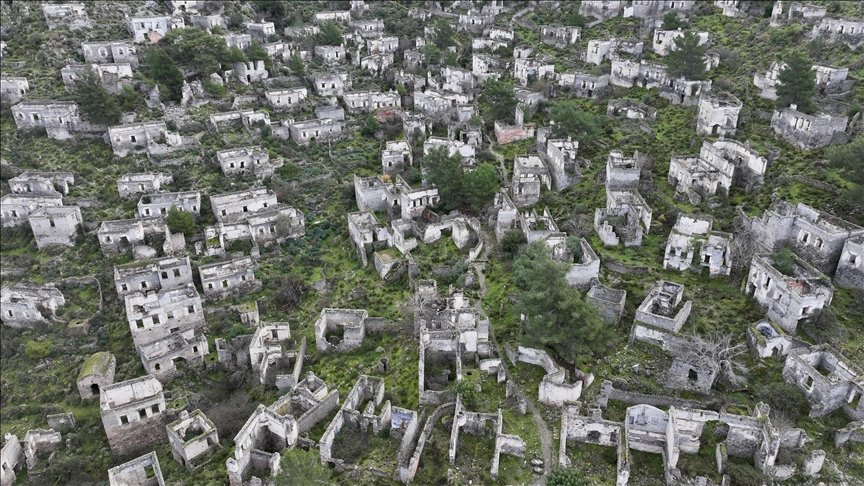
Every year, new discoveries are added to its riches, including the tomb of Carian King Hekatomnos in Milas and findings from its surroundings, as well as Beçin Castle, Kayaköy, Lagina, Stratonikeia, Kaunos, Knidos, Euromos, Labranda, Herakleia, Hyllarima, and Tlos.
Visitors touring the ancient cities—where remains from the Hellenistic, Roman, Byzantine, Menteşe Beylik, and Ottoman periods have been uncovered—embark on a journey through history.
In addition to sea, sand, and sun, tourists also choose the region to explore ancient cities dating back thousands of years and museums displaying artifacts unearthed there.
Muğla Provincial Director of Culture and Tourism Hüseyin Toprak told Anadolu Agency that Muğla was founded in a region once ruled by civilizations such as Caria and Lycia. He said Muğla is one of Turkey’s most important tourism hubs thanks to both its natural beauty and its historical potential.
Toprak noted that Muğla has more than 1,000 ancient settlements and that archaeological excavations are being carried out at 25 sites, 12 of which continue year-round under the “Heritage for the Future Project.”
He explained that excavations, which previously lasted only a few months, now continue for 12 months under the project led by the Ministry of Culture and Tourism. This intensive work has created employment and significantly boosted tourism potential. Visitor numbers, once below 1 million, have risen to around 1.3 million this year and are expected to increase further, helping extend tourism across all 12 months.
Toprak added that new findings from excavations are drawing global interest in both archaeology and scientific research.
He also stated that around 1.3 million visitors toured five museums and archaeological sites under excavation across the city and its districts last year. The Bodrum Museum of Underwater Archaeology, located in Bodrum Castle, was the most visited museum, followed by Marmaris Museum. Knidos was the most visited ancient city, with Kayaköy ranking second.
As reported by CE Report, Toprak emphasized that the Bodrum Museum of Underwater Archaeology is not only Turkey’s only underwater archaeology museum but also has the world’s richest underwater collection. He noted that night-time museum visits were launched for the first time at Bodrum Castle with ministerial approval and attracted great interest.
He added that many local and foreign tourists also visit the ancient cities of Stratonikeia and Lagina in Yatağan, Beçin, Labranda, Euromos, and Herakleia in Milas, Kaunos in Köyceğiz, and Knidos in Datça.