UNICEF: One in two children exposed to three overlapping climate dangers
Nearly half of the world's children — around 1.1 billion — are exposed to at least three climate-related threats simultaneously, according to a UNICEF report published on Tuesday and cited by international news agencies.
The most common combination of threats consists of drought, extreme heat above 35 degrees Celsius, and heatwaves, the UN children's agency said in its 2026 Children's Climate Risk Report, CE Report quotes AGERPRES.
According to the report, almost every child worldwide is exposed to at least one climate-related hazard.
Children are more vulnerable to the effects of climate change than adults because their bodies are more sensitive, UNICEF warned. They heat up more quickly, sweat less efficiently, breathe faster, and require more food and water per kilogram of body weight. Their chances of surviving extreme weather events are also lower, the report's authors noted.
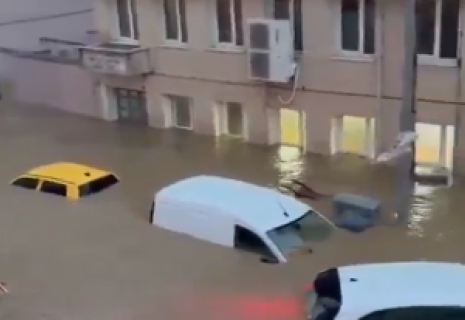
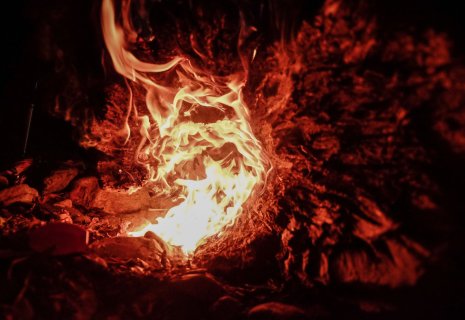
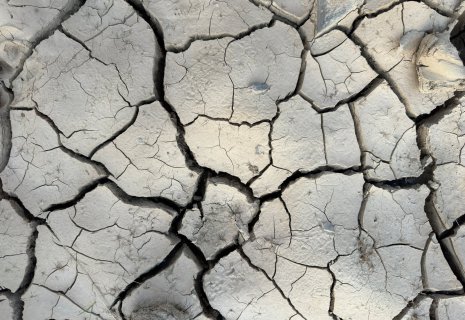
The report assesses children's exposure to eight climate hazards: drought, extreme heat, wildfires, heatwaves, coastal and river flooding, sand and dust storms, and tropical cyclones. It also considers the impact of air pollution, the risks of vector-borne diseases such as malaria, and global data on access to water, healthcare, and social services.
Climate risks often overlap and reinforce one another, the report found. Around 300 million children live in areas simultaneously exposed to drought, extreme heat, and heatwaves, while more than 115 million face drought, extreme heat, and tropical storms.
The Sahel region in Africa is among the hardest-hit areas, with more than four million children exposed at the same time to heatwaves, extreme heat, and sand and dust storms. In Asia, Bangladesh, Myanmar, and Pakistan are particularly affected.
Another alarming finding of the report is that climate-related hazards disrupted the education of 242 million children in 85 countries in 2024, according to Reuters.
"Children and young people are the least responsible for climate change, yet they are disproportionately affected," said Christian Schneider, calling on the German government to strengthen climate action and support vulnerable countries.
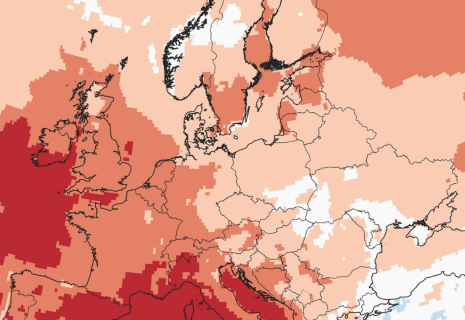
A climate risk atlas included in the report maps where these risks occur and how severe they are, helping governments and decision-makers better plan and invest in essential service systems, said Catherine Russell.
No Safe Haven
The data show that no country is completely spared.
"In many countries, there are small population groups that are not exposed to these risks," said Tom Slaymaker, one of the report's authors, in comments to AFP. He noted that these groups are generally located in the Northern Hemisphere, particularly in Scandinavia.
However, this is only because the report focuses on the eight most common global climate risks, the expert stressed. Children in those countries may still face other threats not covered by the study, such as melting glaciers or thawing permafrost.
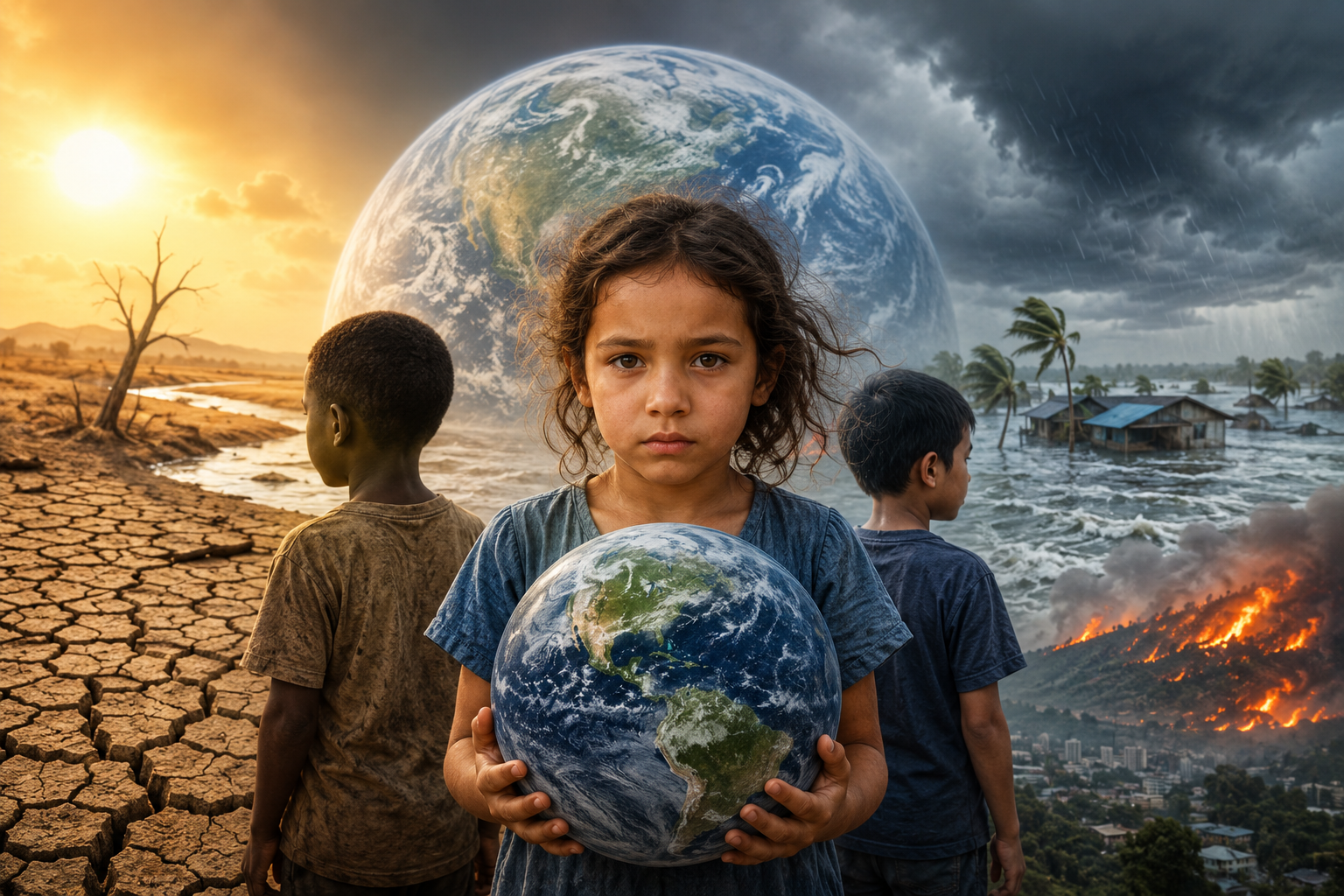
Photo: Chat GPT