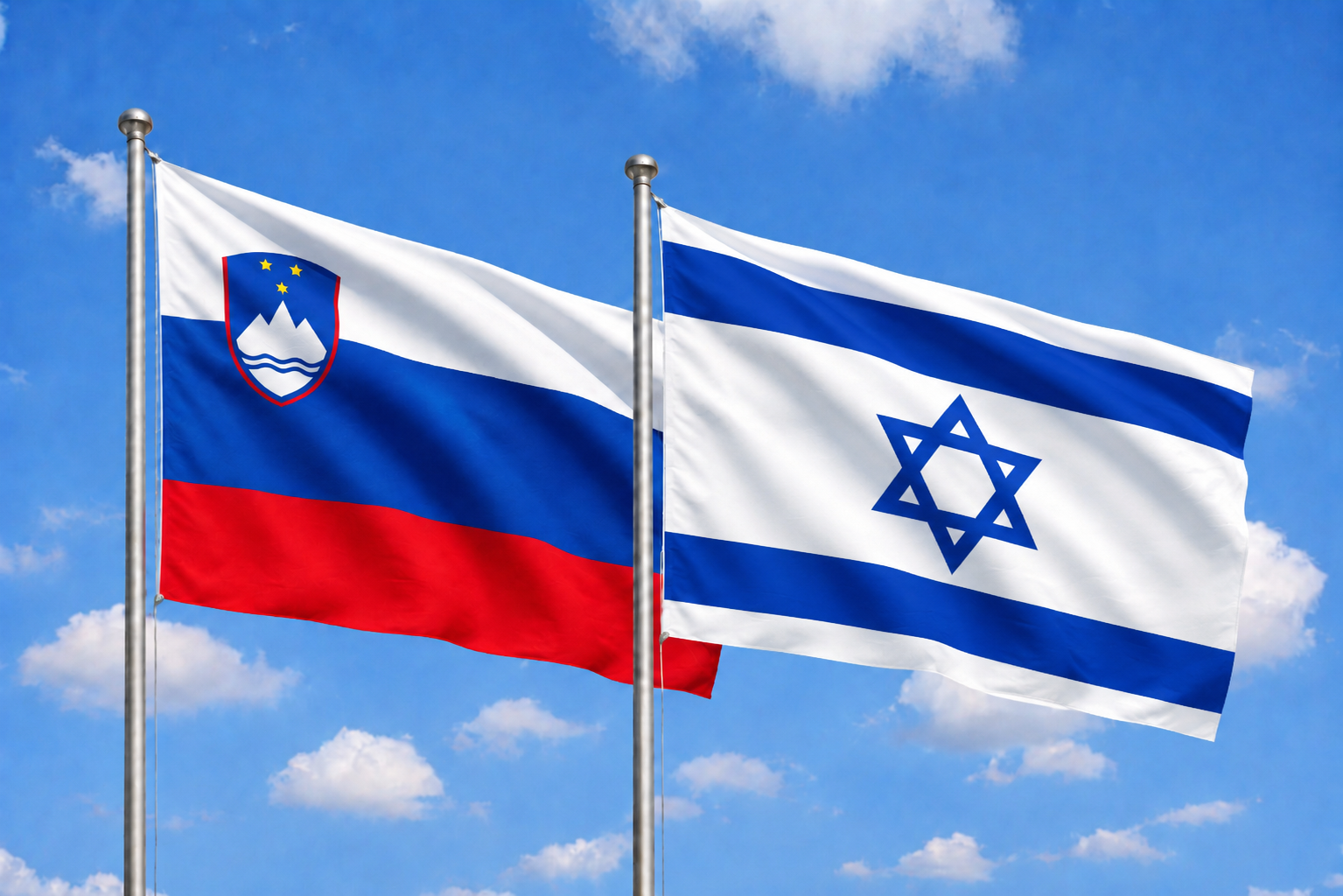
Slovenia's new government moves closer to Israel
Within hours of taking office, Slovenia's new government began reversing some of the most visible symbols of its predecessor's pro-Palestinian stance, signalling a broader realignment in foreign policy under Prime Minister Janez Janša.
Under the previous centre-left government led by Robert Golob, Slovenia became one of the more vocal European supporters of Palestinian statehood during the Gaza war, CE Report quotes The Slovenia Times.
It recognised a Palestinian state in 2024, repeatedly criticised Israel's conduct in Gaza, and banned senior officials from entering Slovenia.
The new government says it intends to take a different approach.
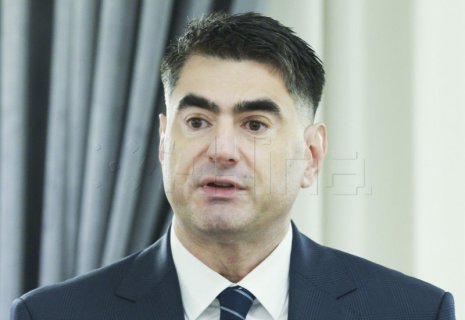
Foreign Minister Tone Kajzer, a career diplomat and close Janša ally, has framed the change as a move toward a more pragmatic and interest-driven foreign policy.
"We will certainly no longer condemn Israel and make moral or value judgements," Kajzer said during his parliamentary confirmation hearing this week, while insisting he was "neither an advocate for Israel nor an advocate for Palestine".
Instead of public advocacy, Kajzer said Slovenia would prioritise "quiet diplomacy" and restoring dialogue with Israel, alongside closer ties with the United States and stronger engagement within NATO and Central Europe.
Kajzer had served as ambassador to Washington during Janša's earlier government and most recently headed the foreign affairs council of Janša's conservative SDS party.
Embassy announcement signals warmer relations
The clearest sign of the new era in bilateral relations came from Israel itself.
Just hours after the new cabinet was confirmed in parliament, Israeli Foreign Minister Gideon Sa'ar announced that Israel, which currently covers Slovenia diplomatically from Vienna, would open an embassy in Ljubljana for the first time.
Sa'ar described Janša as "a prominent friend of Israel" and said the new government created "a unique opportunity to advance bilateral relations", which he said had suffered under the previous administration.
Janša, whose previous government had close ties with Israel as well, welcomed the announcement, saying he looked forward to "a new era in Slovenia-Israel relations".
Kajzer also praised the move, saying resident embassies help create "stronger contacts and deeper relations". In a subsequent call, the two foreign ministers discussed stronger cooperation in science, technology and business.
Palestinian flag highlights divide
The new government has also signalled a change in relations at a symbolic level: one of its first acts, just minutes after the cabinet was sworn in, was to remove a Palestinian flag from government headquarters in Ljubljana. The flag had flown there since Slovenia recognised Palestinian statehood two years earlier.
Golob criticised the move, saying the government's new stance had placed Slovenia "on the shameful side of history".
A day later, President Nataša Pirc Musar responded by raising a Palestinian flag over the Presidential Palace.
Pirc Musar said the flag symbolised "gross violations of international humanitarian law and human rights" and described it as "a straightforward appeal" for "human decency for all".
"The genocide against Palestinians has not been stopped, and people in Gaza and the West Bank do not live in peace and dignity," she said.
The flag will fly on the building for a week before it is moved indoors.
Airline dispute reflects broader tensions
The policy change also intersects with a dispute involving Israeli airline Israir in the final days of the previous government.
An Israir flight from Tel Aviv was diverted from Ljubljana to Zagreb after Slovenian authorities did not grant landing permission in time, according to Israeli media and the airline. Israir described the situation as politically motivated, while the outgoing government said it was still reviewing regulatory compliance.
Just before becoming infrastructure minister in the new government, Jernej Vrtovec, leader of the Christian democratic New Slovenia (NSi) publicly promised the issue would be resolved immediately after the transfer of power.
And indeed, right after he took over he granted Isair the permit.
"The airline Israir has once again been granted authorization to operate flights between Tel Aviv and Ljubljana," he said in a post on X.
In his conversation with Kajzer, Foreign Minister Sa'ar called the diversion a "grave incident" and said he had received assurances that it would not happen again.
Overall, the developments signal a sea change in Slovenia's stance on the conflicts in the Middle East, and they also presage a potentially difficult cohabitation between the conservative government and the liberal president.
Photo AI