SOCAR activities in Europe and strategic importance of Azerbaijan - OPINION
By Aytan Aliyeva
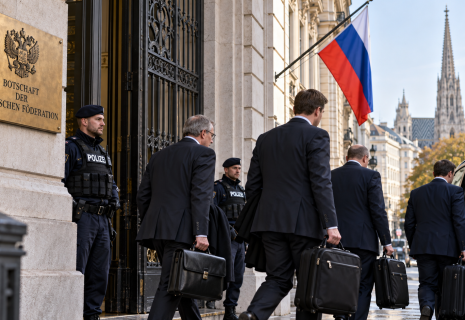
The geopolitical landscape of European energy security has undergone profound transformation since the outbreak of the Russia-Ukraine war in February 2022. For decades, European countries relied heavily on Russian natural gas and oil supplies to meet their energy demands. However, the conflict exposed the vulnerabilities associated with excessive dependence on a single supplier and accelerated the European Union’s efforts to diversify its energy sources and supply routes. Within this context, the State Oil Company of the Azerbaijan Republic (SOCAR) and Azerbaijan have emerged as crucial strategic partners for Europe.
Azerbaijan occupies a unique geopolitical position at the crossroads of Europe and Asia and possesses significant hydrocarbon resources in the Caspian Sea. Through SOCAR’s investments, infrastructure projects, and partnerships with European energy companies, Azerbaijan has become a key contributor to Europe’s energy diversification strategy. The Southern Gas Corridor (SGC), one of the largest energy infrastructure projects in recent decades, has strengthened Europe’s access to non-Russian gas supplies and enhanced.
SOCAR activities in Europe
SOCAR has transformed itself from a national oil company into an international energy corporation with extensive operations throughout Europe. Its activities encompass natural gas production and transportation, petroleum refining, fuel distribution, energy trading, logistics, and infrastructure development.
One of SOCAR’s most significant achievements has been its participation in major transnational pipeline projects that connect Caspian energy resources with European consumers. Through strategic investments in the Southern Gas Corridor, SOCAR has become an important stakeholder in Europe’s energy infrastructure.
Beyond pipeline operations, SOCAR has established a strong presence in several European countries. In Switzerland, SOCAR Energy Switzerland operates one of the largest fuel retail networks in the country. The company acquired numerous filling stations and has successfully integrated itself into the Swiss energy market. In Germany and Austria, SOCAR engages in energy trading, natural gas marketing, and supply chain activities. Similar operations are conducted in Southeastern Europe, where SOCAR continues to expand its commercial and strategic partnerships.
SOCAR’s European activities are not limited to traditional hydrocarbon sectors. The company has increasingly participated in initiatives related to energy transition, sustainability, and renewable energy cooperation. These developments demonstrate SOCAR’s intention to remain a relevant actor in Europe’s evolving energy landscape.
Moreover, SOCAR has strengthened partnerships with leading European energy corporations, including BP, Uniper, SEFE, Snam, Fluxys, and other major stakeholders. These collaborations facilitate technology transfer, infrastructure development, and long-term energy security planning.
Why Europe needs cooperation with SOCAR and Azerbaijan
The Russia-Ukraine war fundamentally altered Europe’s perception of energy security. Prior to 2022, Russia supplied approximately 40 percent of the European Union’s natural gas imports. The disruption of gas flows and geopolitical tensions highlighted the strategic risks associated with excessive dependence on Russian energy.
As a result, the European Union adopted policies aimed at diversifying suppliers, routes, and energy sources. Azerbaijan emerged as one of the most reliable alternatives due to several factors. First, Azerbaijan possesses substantial natural gas reserves, particularly in the Shah Deniz field, one of the largest gas condensate fields in the world. These reserves provide a stable basis for long-term exports to European markets.Second, Azerbaijan has established itself as a politically stable and reliable energy partner. Unlike many energy-producing regions affected by political instability, Azerbaijan has consistently fulfilled its contractual obligations and maintained uninterrupted energy exports. Third, Azerbaijan provides Europe with a geographically diversified supply route that bypasses Russian territory. The Southern Gas Corridor enables direct transportation of Caspian gas to European consumers, thereby reducing geopolitical risks associated with traditional supply routes. Fourth, cooperation with Azerbaijan contributes to the European Union’s broader strategic objective of strengthening energy resilience. Energy security is no longer viewed solely as an economic issue but also as a matter of national and regional security. Therefore, partnerships with Azerbaijan and SOCAR play an increasingly important role in European energy policy.
Furthermore, the Memorandum of Understanding signed between the European Union and Azerbaijan in 2022 outlined ambitious plans to double Azerbaijani gas exports to Europe by 2027. This agreement reflects the growing political and economic importance of bilateral cooperation.
Southern Gas Corridor: Europe’s key energy partnership
The Southern Gas Corridor represents one of the most significant energy infrastructure projects of the twenty-first century. Stretching approximately 3,500 kilometers, the corridor connects the Caspian Sea’s gas reserves to European markets through an integrated network of pipelines.
The corridor consists of three major components:
- South Caucasus Pipeline (SCP)
- Trans-Anatolian Natural Gas Pipeline (TANAP)
- Trans-Adriatic Pipeline (TAP)
The South Caucasus Pipeline transports natural gas from Azerbaijan through Georgia. TANAP carries the gas across Türkiye, while TAP delivers it to European markets through Greece, Albania, and Italy.
SOCAR is the largest shareholder in TANAP and a major shareholder in TAP, reflecting its central role in the corridor’s development and operation.
The Southern Gas Corridor has generated significant benefits for Europe. It has diversified supply sources, enhanced market competition, reduced vulnerability to supply disruptions, and strengthened regional integration. Countries such as Italy, Greece, Bulgaria, Romania, Hungary, Serbia, Austria, and Germany have increasingly benefited from Azerbaijani gas supplies.
The strategic importance of the corridor became even more evident after the Russia - Ukraine war. As Europe sought alternatives to Russian gas, the Southern Gas Corridor emerged as one of the few large-scale infrastructures capable of delivering substantial volumes of non-Russian natural gas. In addition to energy security, the corridor promotes economic cooperation among participating countries and contributes to regional stability.
SOCAR’s new italian partnership
Italy has become one of SOCAR’s most important European markets and serves as the primary entry point for Azerbaijani natural gas into the European Union through the Trans-Adriatic Pipeline.
SOCAR’s recent expansion into Italy represents a significant milestone in its European growth strategy. The company’s acquisition of major downstream assets and its growing partnerships with Italian energy firms strengthen its position in one of Europe’s largest energy markets.
The planned acquisition of Italiana Petroli (IP), one of Italy’s largest fuel distribution companies, demonstrates SOCAR’s ambition to expand beyond upstream gas exports and enter the downstream retail and distribution sectors. Through this acquisition, SOCAR gains access to thousands of service stations, extensive logistics networks, and a substantial customer base.
The strategic significance of this investment can be understood from several perspectives. First, it enhances SOCAR’s integration into the European energy value chain. Rather than merely exporting raw energy resources, SOCAR becomes involved in refining, distribution, and retail operations. Second, the acquisition strengthens Azerbaijan’s economic presence within the European Union and creates new opportunities for bilateral investment and cooperation. Third, Italy serves as a gateway to Southern and Central European energy markets. By expanding its Italian operations, SOCAR improves its ability to serve neighboring countries and participate in regional energy development projects.
Finally, the partnership contributes to Europe’s broader energy diversification objectives by establishing stronger commercial links with non-Russian energy suppliers.
Future cooperation perspective
The future of Azerbaijan-European energy cooperation appears highly promising. Several factors indicate that collaboration between SOCAR and European partners will continue to expand in the coming decades.
One important area of future cooperation involves increasing natural gas export capacity. Existing infrastructure within the Southern Gas Corridor may be expanded to accommodate growing European demand. Additional compressor stations and pipeline upgrades could significantly increase annual export volumes.
A second area concerns renewable energy development. Azerbaijan possesses substantial potential for solar and wind energy, particularly in the Caspian Sea region. European companies have already expressed interest in participating in renewable energy projects in Azerbaijan. Future cooperation may involve green electricity exports, offshore wind farms, and hydrogen production initiatives.
A third area relates to green hydrogen and energy transition technologies. The European Union’s climate objectives require the development of low-carbon energy systems. Azerbaijan’s strategic location and existing infrastructure make it a potential supplier of green hydrogen to European markets.
Digitalization and technological innovation also offer new opportunities. Cooperation in smart energy systems, carbon capture technologies, and energy efficiency programs may further strengthen bilateral relations.
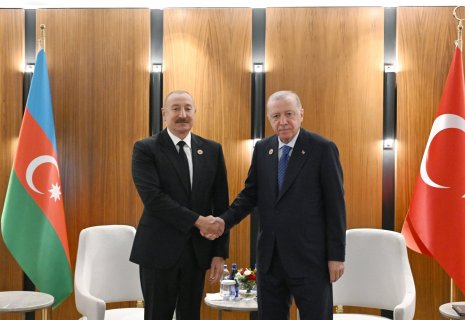
Furthermore, political cooperation between the European Union and Azerbaijan is likely to deepen. Energy security, economic development, and regional stability remain common priorities that support long-term strategic partnership.
As Europe continues its transition toward a diversified and sustainable energy system, SOCAR is expected to play an increasingly important role. The company’s investments, infrastructure projects, and international partnerships position it as a key actor in the future European energy landscape.
The transformation of Europe’s energy security environment following the Russia - Ukraine war has elevated the strategic importance of Azerbaijan and SOCAR. Through extensive investments, infrastructure development, and international partnerships, SOCAR has become one of Europe’s most significant non-Russian energy partners.
In an era characterized by geopolitical uncertainty and energy transition, the strategic relationship between SOCAR, Azerbaijan, and Europe will remain a critical component of the continent’s energy future.
Photo: SOCAR