Bosnia launches platform to strengthen child protection policies - EXCLUSIVE
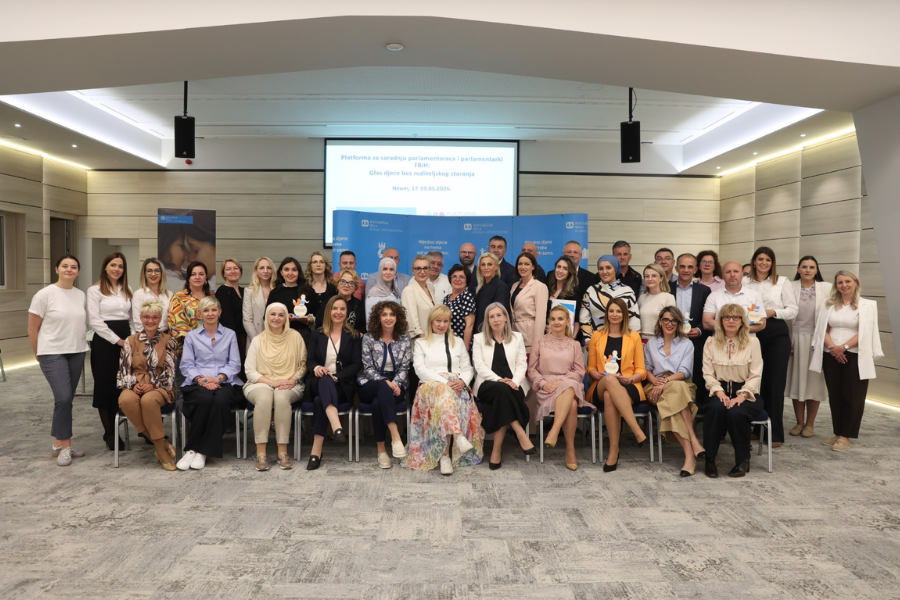
The Platform for the Cooperation of Parliamentarians of the Federation of Bosnia and Herzegovina “The Voice for the Children Without Parental Care” was established by SOS Children’s Villages in Bosnia and Herzegovina as a long-term mechanism for cooperation between legislators, executive authorities, institutions, and experts in the field of child and social protection.
This was said by Melika Šahinović, Advocacy and Institutional Cooperation Department Manager at SOS Children’s Villages in Bosnia and Herzegovina, in an exclusive interview with CE Report.
The discussions within the Platform are expected to result in parliamentary initiatives, policy recommendations, and legislative reforms focused on prevention, early intervention, deinstitutionalization, family-like care and the development of specialized community services for children and families, in line with Bosnia and Herzegovina’s obligations and priorities within the European Union accession process, particularly in the areas of social inclusion, child protection, human rights, and mental health support.
Following last SOS Platform meeting, particular attention is given to children’s mental health. According to WHO data presented during expert consultations, around 50% of mental health disorders develop before the age of 14, while nearly 20% of children and adolescents experience significant mental or developmental difficulties. These findings clearly show the importance of better coordination between healthcare, education, and social protection services so that children can receive timely and adequate support.
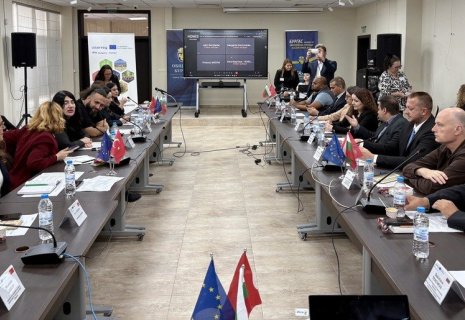
The Platform creates space for continuous dialogue and cooperation between decision-makers and professionals working directly with children and families, ensuring that practical experience from the field is reflected in policies and legislation. The Platform enables structured dialogue between parliamentarians, ministries, social welfare centres, mental health professionals, and civil society organizations. Centres for social work play a key role in protecting children and supporting vulnerable families, often while facing significant workload and limited resources. Ili Centres for social work play a particularly important role in the protection of children without parental care through assessment, referral, guardianship, and coordination of support services for children and families.
The need for stronger coordination is particularly visible in practice, where children often move between schools, healthcare institutions, social welfare centres, and judicial institutions without continuity of support or clearly coordinated interventions. Long waiting lists for assessments and treatments or lack of adequate services additionally burden children and families.
The Platform therefore promotes an interdisciplinary and child-centred approach based on connected services, shared protocols, and stronger intersectoral cooperation in line with contemporary Mental Health and Psychosocial Support (MHPSS) approaches.
Providing adequate support and care for children with emotional and behavioural difficulties is becoming an increasingly significant challenge in Bosnia and Herzegovina, particularly for children exposed to poverty, trauma, neglect, violence, and family instability. Children without parental care are particularly vulnerable due to the lack of specialized services and coordinated long-term support. Research and international practice show that prolonged institutional care significantly increases the risk of emotional and behavioural difficulties. Despite this, the majority of approximately 1,400 children without parental care in Bosnia and Herzegovina are still placed in institutional settings due to insufficient family-based alternatives.
WHO indicators also show increasing rates of anxiety, depression, self-harm, and emotional difficulties among children and young people.
SOS Children’s Villages in Bosnia and Herzegovina continues to provide professional and technical support in the preparation of draft laws, strategies, analyses, and action plans aimed at developing sustainable and evidence-based support systems for children and families.
Planned measures also include strengthening community-based and family-oriented services, expanding specialized foster care, improving early intervention mechanisms, increasing the availability of mental health professionals in alternative care, schools and communities, and strengthening interdisciplinary cooperation. The adoption of the Law on Social Services and amendments to the Law on Foster Care remain key priorities.
The initiative aims to ensure long-term coordination through continuous multisectoral cooperation between ministries, institutions, professionals, and decision-makers gathered within the Platform.
A key focus is strengthening the legal and institutional framework through the adoption of the Law on Social Services, further development of specialized foster care, and stronger community-based support services. The Platform also emphasizes the importance of adopting the Law on Psychological Activity and other regulations relevant to mental health and child protection.
Current practice still shows fragmented services, insufficient professional capacities, unclear crisis protocols, and limited interdisciplinary cooperation. The Platform therefore advocates for integrated, developmentally sensitive, and child-centred support systems where healthcare, education, and social protection services function as coordinated parts of one support network around the child and family.
The Platform was established at the end of 2022 as a long-term mechanism for dialogue, cooperation, and advocacy within the Parliament of the Federation of Bosnia and Herzegovina. Through its work, it has demonstrated the importance of having a structured institutional space dedicated to systemic issues affecting children, young people, and families.
The Platform will continue operating with the same intensity following the elections in October this year through cooperation with newly elected representatives, ministries, institutions, and other relevant stakeholders. One of its long-term goals is to further strengthen and sustain the Platform as a permanent institutional mechanism of cooperation and advocacy within the Federation of Bosnia and Herzegovina.
Although important progress has been achieved through the adoption of certain laws and policy measures, significant challenges remain in the areas of deinstitutionalization, mental health support, specialized services, early intervention, and interdisciplinary cooperation. For this reason, the Platform will continue its advocacy and coordination activities to support long-term systemic reforms in the best interest of children and families.
Photo: SOS Children’s Villages in Bosnia and Herzegovina
This interview was prepared by Julian Müller