Croatian ombudswoman presents 2025 Annual Report
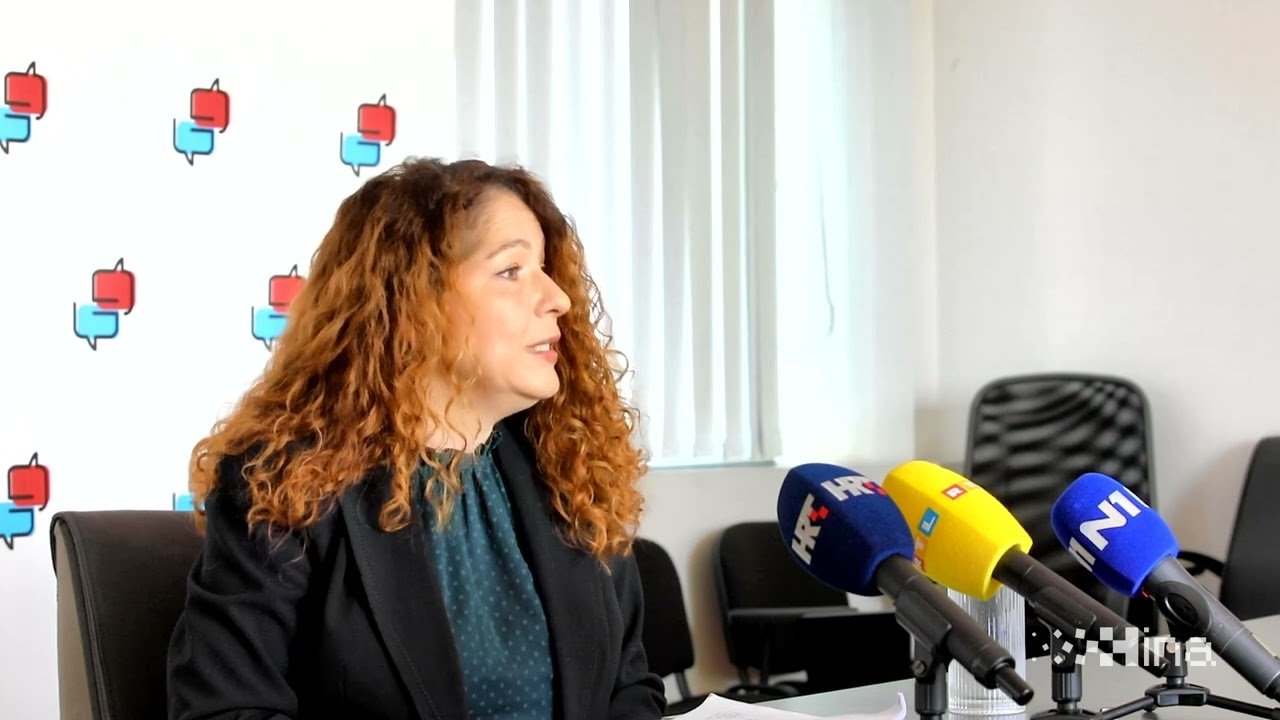
Ombudswoman of Croatia Tena Šimonović Einwalter presented the 2025 Annual Report of the Ombudsman, an assessment of the state of human rights in Croatia over the past year, which includes 181 recommendations to relevant authorities.
“Similar long-term and systemic problems for citizens repeat year after year. These are difficulties encountered in daily interactions with various institutions, which leave citizens feeling powerless in the face of the system, as well as insufficiently transparent and participatory processes that deepen distrust in institutions. When drafting regulations and policies, their impact on the most vulnerable is too often overlooked, and the exercise of rights in practice frequently depends on where someone lives in Croatia. Many do not receive needed care, public services, or responses from authorities in a timely manner, while at the same time employees in the healthcare, social, and other systems are overburdened,” she stated.
Last year, the Ombudsman received the highest number of citizen inquiries in over 30 years of the institution’s existence: 4,491 new cases were opened based on complaints or on the Ombudsman’s initiative, 21% more than the previous year, which had already recorded the highest number of complaints to date.
The record number of complaints in a single area was related to the right to health (525), CE Report quotes HINA.
“Overall, human rights in Croatia largely stagnated in 2025, some areas even regressed, and threats to the rule of law were recorded. Healthcare access remained insufficient: citizens continued to wait long for appointments, with oncology and palliative patients being particularly affected. Failures in the social welfare system were visible, and the number of elderly people at risk of poverty continued to grow. Expressions of intolerance toward minority groups, particularly the Serbian and Roma national minorities, as well as foreign workers and other migrants, were more frequent and direct. Hate speech, especially online, was widespread, along with misinformation and fake news. Space for critical voices continued to narrow, primarily affecting journalists and media freedom, civil society organizations, and independent institutions. Issues regarding public assembly were raised, including registration procedures, the suitability of spaces, and the messages conveyed. Prisons remain over capacity, resulting in inadequate accommodation and healthcare for inmates,” the Ombudswoman highlighted.
Some positive developments were also noted in 2025. These include the implementation of the first strategic document for affordable housing, changes in pension indexation methods, systematic publication of court rulings, expanded protection for whistleblowers reporting directly to the police and the State Attorney’s Office, and the start of work on several necessary strategic documents. For some citizens, the requirement to appear in person at the HZZO (Croatian Health Insurance Fund) every three months was removed to maintain mandatory health insurance coverage.
The Ombudswoman also presented a special report titled Rights of Older Persons in Croatia, which includes 32 recommendations and aims to place the rights of older persons in greater focus. The report consolidates various challenges faced by older people and introduces new insights. For example, it highlights for the first time in detail the problems of people living with dementia, including Alzheimer’s.
In Croatia, no anti-dementia drugs are included on the HZZO Basic List of Medications, meaning patients must cover costs themselves, and social care institutions have places for only 1.3% of those living with dementia—659 of 48,842 people—while nearly half of the counties have no places at all.
The Ombudsman’s reports to the Croatian Parliament are primarily based on citizen complaints, but also on numerous other sources, including information from relevant authorities and civil society organizations, statistical data, research, scientific publications, national court decisions, the Constitutional Court, the European Court of Human Rights, the Court of Justice of the European Union, and many other sources.
It should be noted that the Croatian Parliament has not yet discussed the Ombudsman’s annual reports for 2023 or 2024, nor the special report Impact of the COVID-19 Epidemic on Human Rights and Equality – Recommendations for Strengthening Resilience to Future Crises, submitted four years ago. As a result, three annual and two special reports are now awaiting parliamentary discussion. By delaying debate, attention to problems reported by citizens is missed, the reports cannot be used while the data is current, and discussion in Parliament of the causes of these issues, arising from the work of various authorities, is prevented—an essential element for the protection of human rights and the rule of law in Croatia, the Ombudsman’s Office stated.