President of Moldova holds bilateral meetings at Munich Security Conference
President of Moldova Maia Sandu held several bilateral meetings in Munich with counterparts and high-ranking officials. The main topic on the agenda was the security of the Republic of Moldova and support for its European integration.
The president emphasized that, in an uncertain global context, Moldova is building strong and reliable partnerships, CE Report quotes MOLDPRES.
“I am in Munich these days to discuss with leaders from Europe and beyond about the security of Moldova and support for our European path. In an uncertain global context, Moldova builds solid and trustworthy partnerships. We need joint solutions to the risks threatening our stability — so that we can preserve peace and remain part of the free world,” Maia Sandu said.
The Munich Security Conference, opened by German Chancellor Friedrich Merz, brought together 50 heads of state and government, as well as high-ranking officials from Europe and beyond.
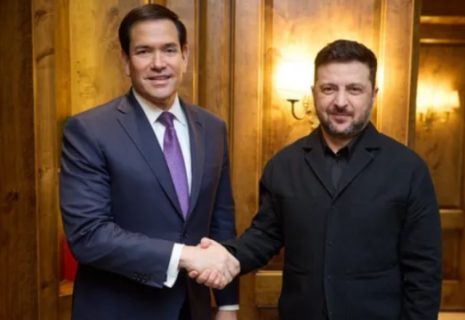
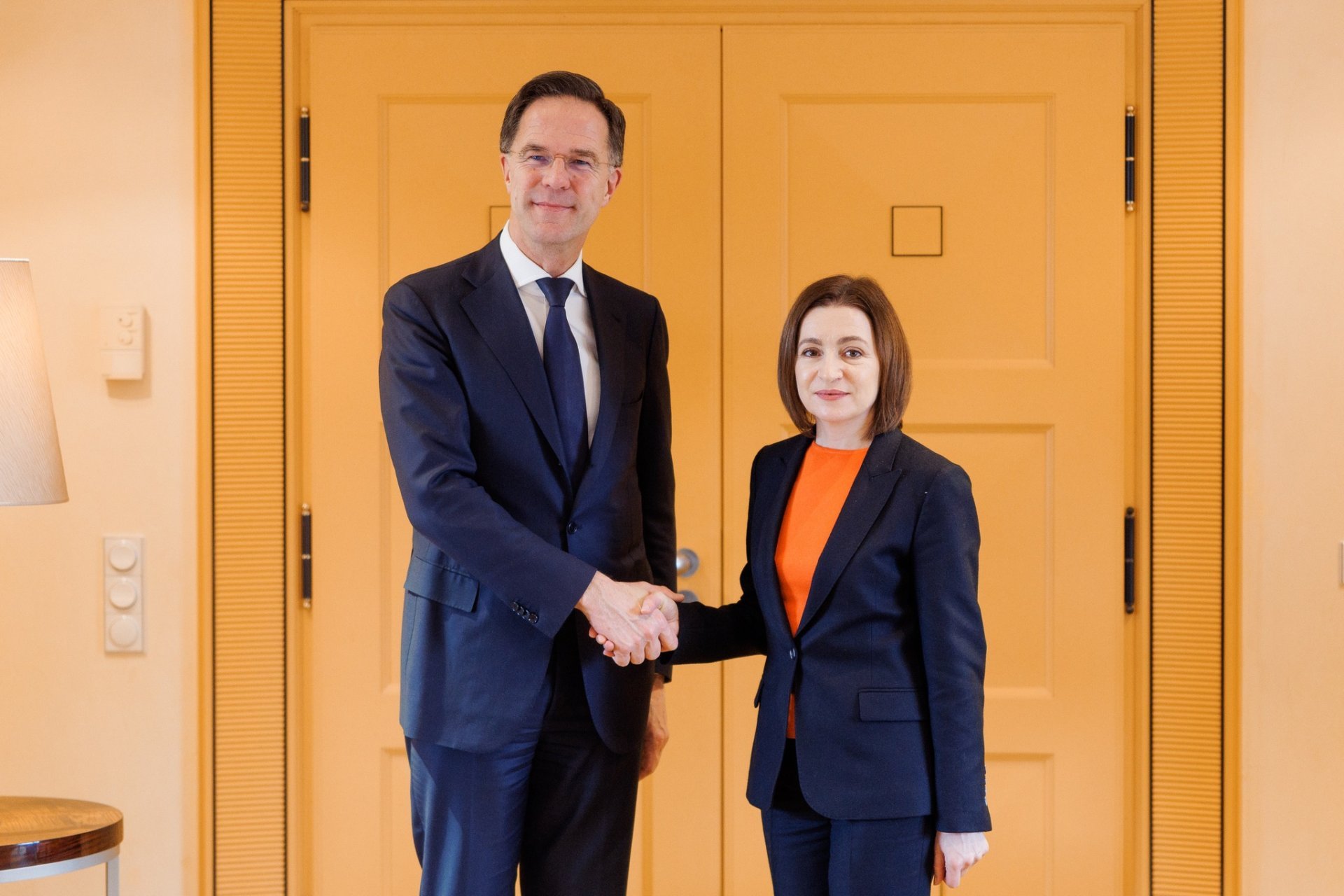
On the first day of the conference, the president held bilateral talks with Kristen Michal, U.S. Secretary of State Marco Rubio, and NATO Secretary General Mark Rutte.
Later, Maia Sandu is scheduled to meet with Swedish Prime Minister Ulf Kristersson and German Federal Minister for Economic Cooperation and Development Reem Alabali Radovan.
On February 14, bilateral meetings are planned with Latvian President Edgars Rinkēvičs, Croatian Prime Minister Andrej Plenković, and Montenegrin President Jacov Milatović. The president will also meet with several European parliamentarians to promote Moldova’s European integration.
Additionally, the president participated in a debate on preventing and combating hybrid threats, alongside Ulf Kristersson, Martin Jäger, and Giuseppe Cavo Dragone.
The Munich Security Conference is one of the most important international forums dedicated to global security. The agenda includes discussions on global instability, challenges to the rules-based international order, European security and defense, the future of the transatlantic relationship, revitalizing multilateralism, regional conflicts, and security implications of technological advances.