EU agrees on tougher laws to combat online child sexual abuse
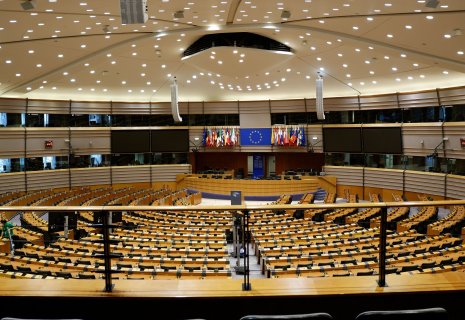
Representatives of EU member states and the European Parliament have reached an agreement on stricter rules on punishing online child sexual abuse, also in light of the increasingly widespread use of artificial intelligence.
The revised rules will cover more criminal offences, set higher penalties, and ensure more effective prosecution, including by extending statutes of limitation, CE Report quotes STA.
The Cypriot Presidency of the Council of the EU, representing the member states, and representatives of the European Parliament reached a provisional agreement on updating EU criminal law rules on child sexual abuse and sexual exploitation of children.
Under the new rules, paying for access to live-streamed child sexual abuse will become a criminal offence. In addition, the creation or adaptation of artificial intelligence systems for generating child sexual abuse material, as well as the distribution of such systems, will also be treated as a criminal offence. This update was deemed necessary due to the growing presence of so-called deepfakes and AI-generated abuse material, according to the Council.
Possession and sharing of instructions for child abuse or for producing such material, for example in the form of books or online guides, will also be criminalised.
The updated rules set longer limitation periods for investigating and prosecuting offences after a victim reaches adulthood. This period is extended to 32 years for rape of children, both below and above the age of sexual consent, as well as for forcing a child into prostitution. “This will provide victims of sexual violence with an effective opportunity to seek justice,” the statement said, noting that it can sometimes take decades for victims to report crimes committed against them in childhood.
The new rules also state that a child’s silence or lack of resistance, even if they have reached the age of consent, cannot be considered consent to sexual acts. Measures also target the grooming of minors for sexual purposes. Encouraging a child to create or share abuse material will also be considered a criminal offence.
Member states will also be required to criminalise sexual extortion of children, referring to cases where a perpetrator threatens to release abuse material in exchange for money or further abusive content.
The reform would update rules from 2011 and follows an increase in reported cases across the EU, amid concerns that easy-to-use AI tools could further accelerate the spread of harmful content. The EU estimates that one in five children in Europe is a victim of some form of sexual abuse or exploitation.
The agreement reached today is provisional and must still be formally approved by the European Parliament and member states before entering into force.
Photo AI