Slovenia’s Bela Krajina preserves centuries-old tradition of sharing bread
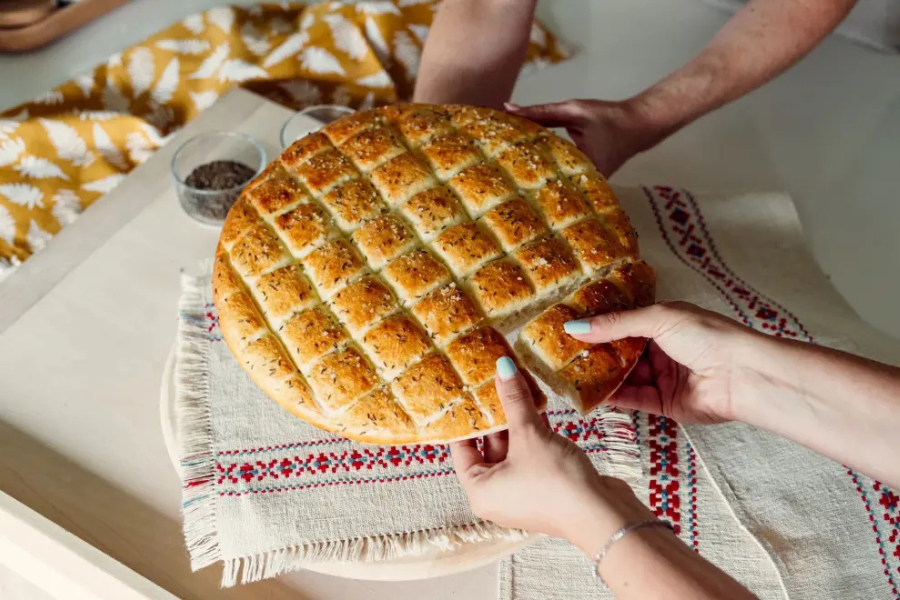
In Slovenia's southeastern region of Bela Krajina, hospitality often begins with bread. Visitors are typically greeted with belokranjska pogača, a fragrant flatbread made from leavened dough, sprinkled with salt and caraway seeds.
As simple as it is delicious, it is one of the region's most recognisable culinary traditions, CE Report quotes The Slovenia Times.
The bread is offered to guests upon arrival, shared during communal work such as vineyard labour, and present at gatherings marking life's milestones. It is always broken into pieces, never sliced, reinforcing its role as a food meant to be shared.
Traditionally, it is eaten warm, fresh from the oven, when its soft interior and lightly crisp crust are at their most inviting.
From frontier food to cultural symbol
The roots of belokranjska pogača stretch back centuries. According to local tradition, it was introduced by the Uskoks, militarised refugee groups fleeing Ottoman expansion who settled along the Habsburg-Ottoman frontier in the 15th and 16th centuries. Early versions were made without yeast and were known as trepač.
Over time, the recipe evolved, incorporating yeast and gradually taking on the form known today. What began as a practical, everyday bread eventually became a symbol of local identity, passed down through generations.
In 2010, belokranjska pogača gained formal recognition at the European level as a Traditional Speciality Guaranteed (TSG), following an initiative led by Alenka Mežnaršič and local associations.
The designation protects not the place of production, but the method: the recipe, preparation process and defining characteristics must follow a prescribed standard. Certified producers, from bakeries to tourist farms, are regularly inspected to ensure compliance, helping safeguard the bread's authenticity while raising its profile beyond the region.
Photo courtesy of the Bela Krajina Research and Information Centre