Philip Glass pulls Lincoln Symphony from Kennedy Center
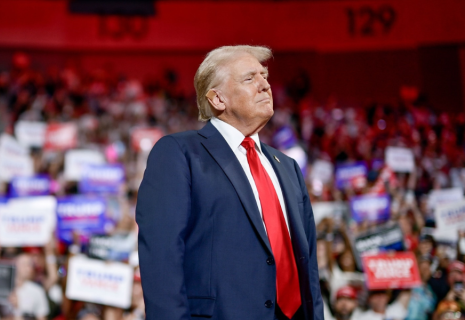
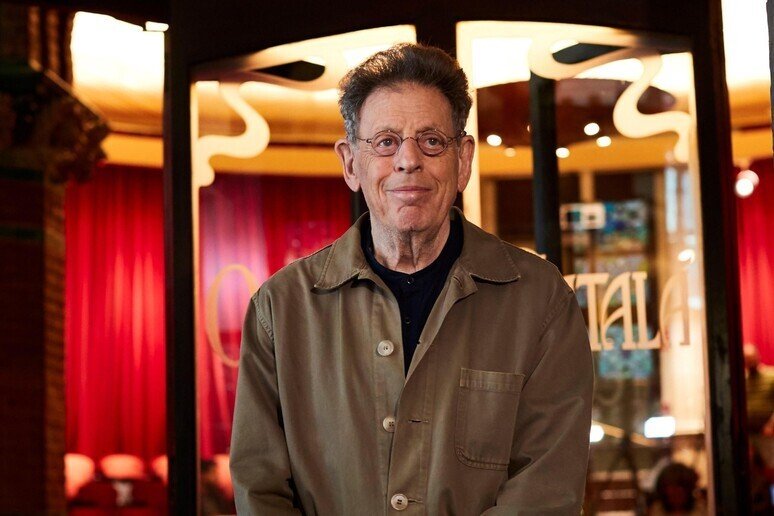
Philip Glass has joined the growing list of artists, musicians, and performers who are stepping back from commitments with the Trump-era Kennedy Center.
The composer has withdrawn his Symphony No. 15: Lincoln from the National Symphony Orchestra’s program, where it was scheduled to receive its world premiere next June, CE Report quotes ANSA.
“The symphony is a portrait of Lincoln, and the values of the Kennedy Center today are in direct conflict with the message of the Symphony. I feel compelled to withdraw it from the Kennedy Center under its current leadership,” the musician said.
Glass, who turned 89 at the end of January, is one of the most influential living composers in the world. Honored by the Kennedy Center in 2018, he is considered a pioneer of 20th-century minimalism, although his music ranges from intimate piano études and chamber works to large-scale symphonies and ambitious, experimental operas such as Einstein on the Beach, Satyagraha, and Akhnaten, dedicated to historical figures.
The Lincoln Symphony had been commissioned by the Kennedy Center and the National Symphony Orchestra and had already been postponed several times: the premiere originally scheduled for March 2022 was pushed to October 2022 and then to the current season, where it was to serve as a centerpiece of the program marking the 250th anniversary of American independence.
The cancellation follows one announced a few days earlier by soprano Renée Fleming, who had been due to sing in May with the NSO in two performances of Aaron Copland’s Appalachian Spring, but withdrew citing “scheduling conflicts.”
Fleming had resigned last year from her role as artistic advisor to the Kennedy Center after Trump took control of the board, replacing Democratic members with allies. Since then, many prominent artists have pulled back, including Lin-Manuel Miranda, Béla Fleck, Issa Rae, and the entire National Opera Company, which had performed at the Kennedy Center since 1971.
All of this comes amid a reputational crisis for the center, which has coincided with a sharp drop in ticket sales, in what appears to be a public boycott in response to the politicization of an institution that was traditionally nonpartisan.