Europe hit by extreme heatwave
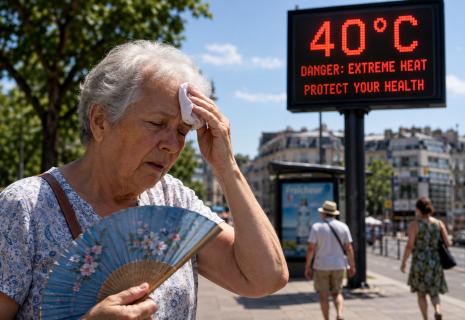
A severe and prolonged heatwave is continuing to spread across Western Europe, with France facing record-breaking temperatures and the United Kingdom potentially set to experience its hottest June day in history, according to AFP.
It is the second major heatwave to hit Western Europe in less than a month. Scientists widely agree that human-induced climate change is increasing the intensity of extreme weather events, particularly heatwaves, CE Report quotes AGERPRES.
In France, authorities have issued additional red alerts for extreme heat across five more departments starting Tuesday at midday. Temperatures are expected to reach up to 44°C in the southwest, placing major strain on infrastructure.
The nuclear power plant at Golfech on the Garonne River has been shut down as operator EDF anticipated water temperatures reaching 28°C, the legal maximum designed to protect ecosystems. In the Paris region, train delays and cancellations are expected due to the extreme conditions.
Overall, 54 departments are under red alert and 35 under orange alert, meaning more than 90% of France’s population is affected by the heatwave. Météo-France has warned that red alerts could expand further in the coming days.
The situation has also disrupted daily life and the economy. Business leaders say France is operating “at half speed,” with widespread adjustments to protect workers, while sectors such as beverages and ice cream are seeing increased demand.
Health authorities report rising fatalities linked to the heat. Around 40 drowning deaths have been recorded since June 18, many involving young people swimming in unsafe conditions. The interior ministry has urged the public to follow safety guidelines.
Major cities have broken temperature records, including 40.9°C in Angers, 42°C in Saintes, and 43.3°C in Châteaumeillant. National averages are expected to exceed historical records, potentially reaching 30°C across France later this week.
Officials have compared the severity of the current event to the historic 2003 heatwave, which caused nearly 15,000 deaths in France, although the duration of the current episode remains uncertain.
In southern France, additional tragic incidents have been reported, including the deaths of two young children left in a car in Carpentras and several elderly individuals who died at home due to extreme heat.
Emergency services are under increasing pressure, with emergency calls rising by 30% to 40%, though officials say hospitals are still coping. Medical experts warn that prolonged heat could lead to increased cases of dehydration, cardiac issues, kidney failure, and psychiatric complications.
Across Europe, Italy has declared a red alert for extreme heat in 15 cities, including Rome and Milan, with more expected to be added.
In the United Kingdom, the Met Office has issued a red warning for extreme heat across parts of southern England, including London and Birmingham. Temperatures are expected to challenge the national June record of 35.6°C set in Southampton in 1976.
Authorities say there is a high probability that the UK could record its hottest June day ever, with the previous all-time national record standing at 40.3°C, set in 2022.
This extreme weather event highlights the growing impact of climate change on Europe, as multiple countries simultaneously struggle with dangerous and record-breaking temperatures.
Photo: Chat GPT