Slovenia battles record heat, water shortages, river stress
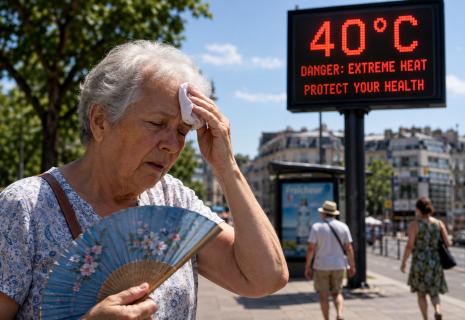
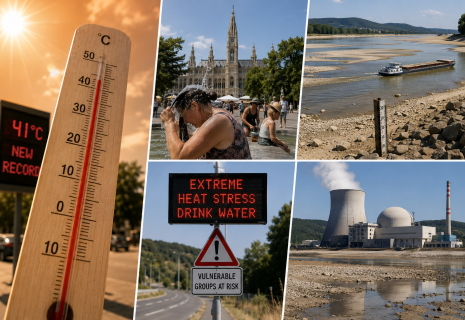
Slovenia's third heatwave of the year, in the midst of one of the hottest and driest summers on record, is increasingly affecting daily life, as authorities impose water restrictions, suspend fishing on multiple rivers, and prepare contingency plans for electricity generation.
The Environment Agency said July ranked as Slovenia's third warmest and fourth driest since nationwide records began in 1950, with average temperatures about 2 degrees Celsius above the 1991-2020 average and rainfall amounting to only 49% of the long-term average, CE Report quotes The Slovenia Times.
The month culminated in an intense heatwave, which is still ongoing, that broke temperature records at 28 weather stations, including 15 all-time highs. The highest reading reached 40 degrees Celsius in the western village of Dolenje pri Ajdovščini, while Ljubljana recorded a new July record of 38.1 degrees.
Meteorologists say the current uninterrupted stretch of temperatures above 35 degrees Celsius is likely to be unprecedented in Slovenia's modern records. They have warned that the national all-time record of 40.8 degrees, set in 2013, could yet be reached.
Water resources under pressure
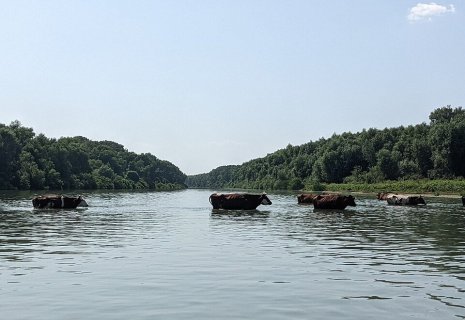
The prolonged lack of rainfall has sharply reduced river flows across the country. The Environment Agency said Slovenian rivers carried only about 40% of their typical July water, with some waterways recording their lowest average July discharges on record.
The drought has also begun to affect drinking water supplies. Municipalities across northeast Slovenia have introduced restrictions on non-essential water use, banning activities such as watering gardens, washing cars and filling swimming pools until further notice.
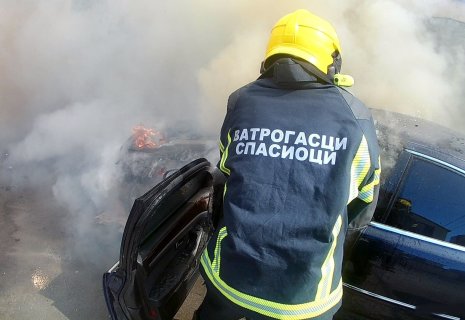
Water utilities have urged residents to conserve supplies, warning that the combination of prolonged drought and increased consumption during the heatwave is placing local systems under growing strain. In some communities, water already has to be delivered by fire trucks.
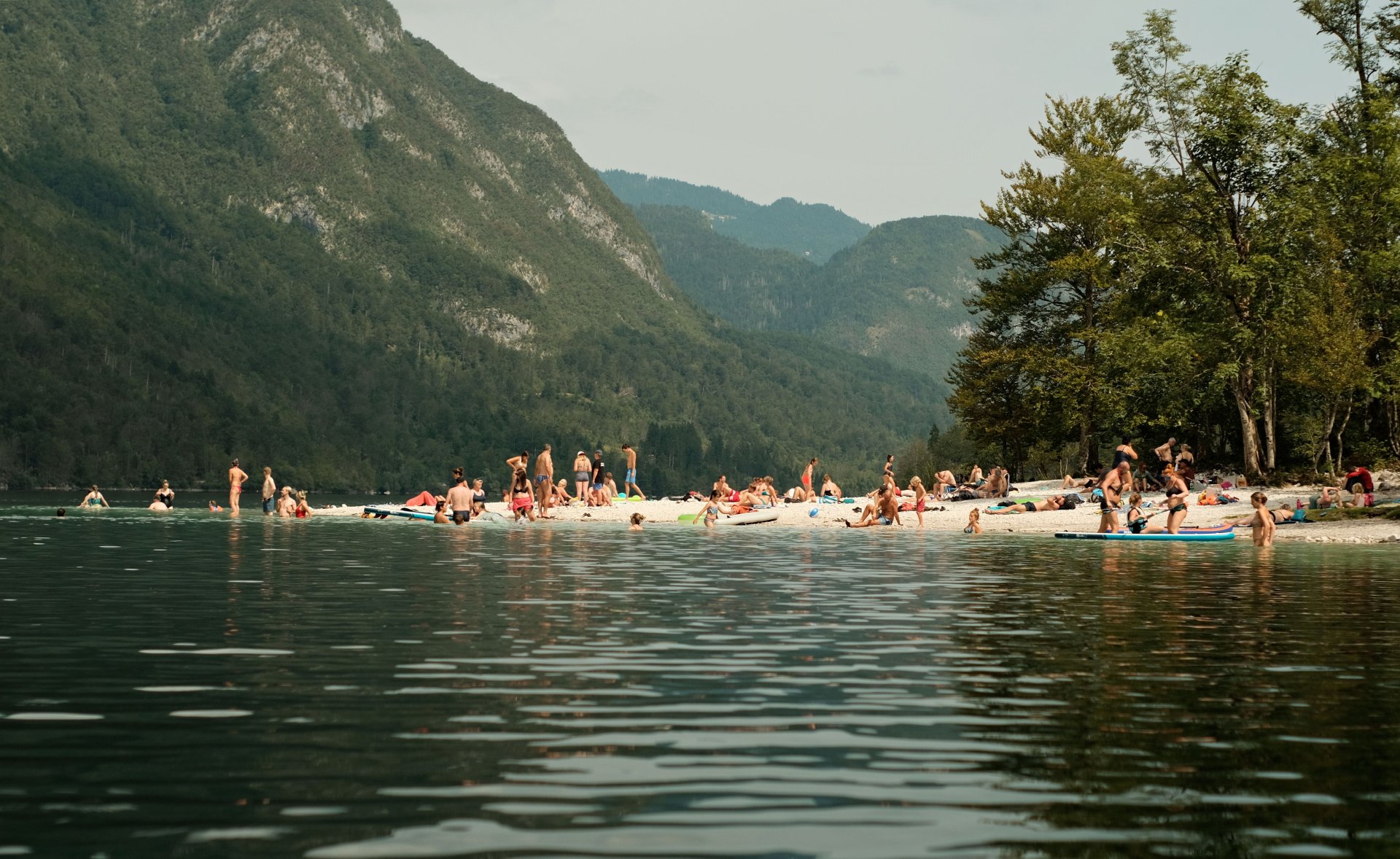
To help residents cope with the extreme temperatures, Ljubljana and Maribor have made admission to public swimming pools free.
Rivers and wildlife under stress
The hot, shallow rivers are also placing pressure on animal and plant life.
The Fisheries Research Institute has introduced temporary fishing bans on several rivers and lakes, saying high water temperatures, low flows and falling oxygen levels are threatening fish populations.
The organisation said water temperatures of 23 to 24 degrees Celsius can be fatal for trout species, adding that even catch-and-release, the most common type of fishing in the country, increases stress on fish already struggling to survive.
The prolonged heatwaves are shrinking the cold-water refuges that native species normally rely on, making temporary fishing closures an increasingly important conservation measure.
Nuclear plant monitoring river conditions
The drought is also affecting Slovenia's energy sector, although the situation is not as bad as in some Eastern European countries, where plants have had to shut down already.
The Krško nuclear power plant, the country's only nuclear energy facility, takes water from the Sava River for cooling. Low water levels and high water temperatures have forced the operator to reduce output to 80% of capacity starting on 6 August.
Output will be further cut as needed unless the water levels rise. The last time the plant was forced to do this was in 2003, when it took three months before full operational capacity was possible.
Weather forecasts indicate that the heatwave will persist for several more days, with little rainfall expected beyond isolated showers and thunderstorms.
Photo: Pexels (Free Stock Photos)