Moldova faces major environmental challenges in 2025
The year 2025 has confirmed that the environment remains one of the most sensitive areas of public policy in the Republic of Moldova. Although significant progress has been made, authorities acknowledge that structural problems accumulated over time continue to exert major pressure on natural resources and the quality of life.
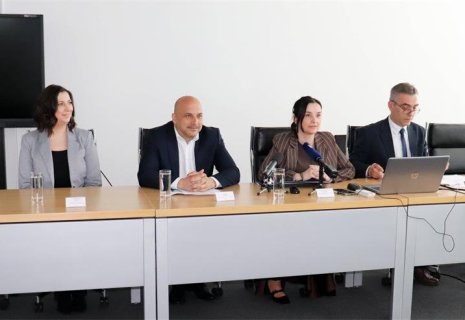
In an interview with MOLDPRES, Minister of Environment Gheorghe Hajder spoke openly about the biggest challenges of the year and how they are being addressed. Today we publish the Top 5 environmental issues, with the full interview with the Minister of Environment to be broadcast on December 29, CE Report quotes MOLDPRES.
1. Pollution pressure and the need for accelerated alignment with EU standards
One of the biggest problems remains the gap between national legislation and European standards, particularly in the areas of air quality, water protection, and environmental impact assessment.
"For years, the environment was treated as a secondary field. In 2025, we started to bridge this gap, but the legacy of issues is still very large," said Hajder.
2. Insufficient waste management and unauthorized landfills
Waste continues to represent a major challenge, especially in rural areas. The lack of modern infrastructure and outdated disposal practices affect soil and groundwater.
"We cannot talk about a healthy environment as long as unauthorized landfills exist on the outskirts of villages. That is why in 2025 we accelerated regional projects and separate collection campaigns," the minister emphasized.
3. Illegal deforestation and the vulnerability of the forest fund
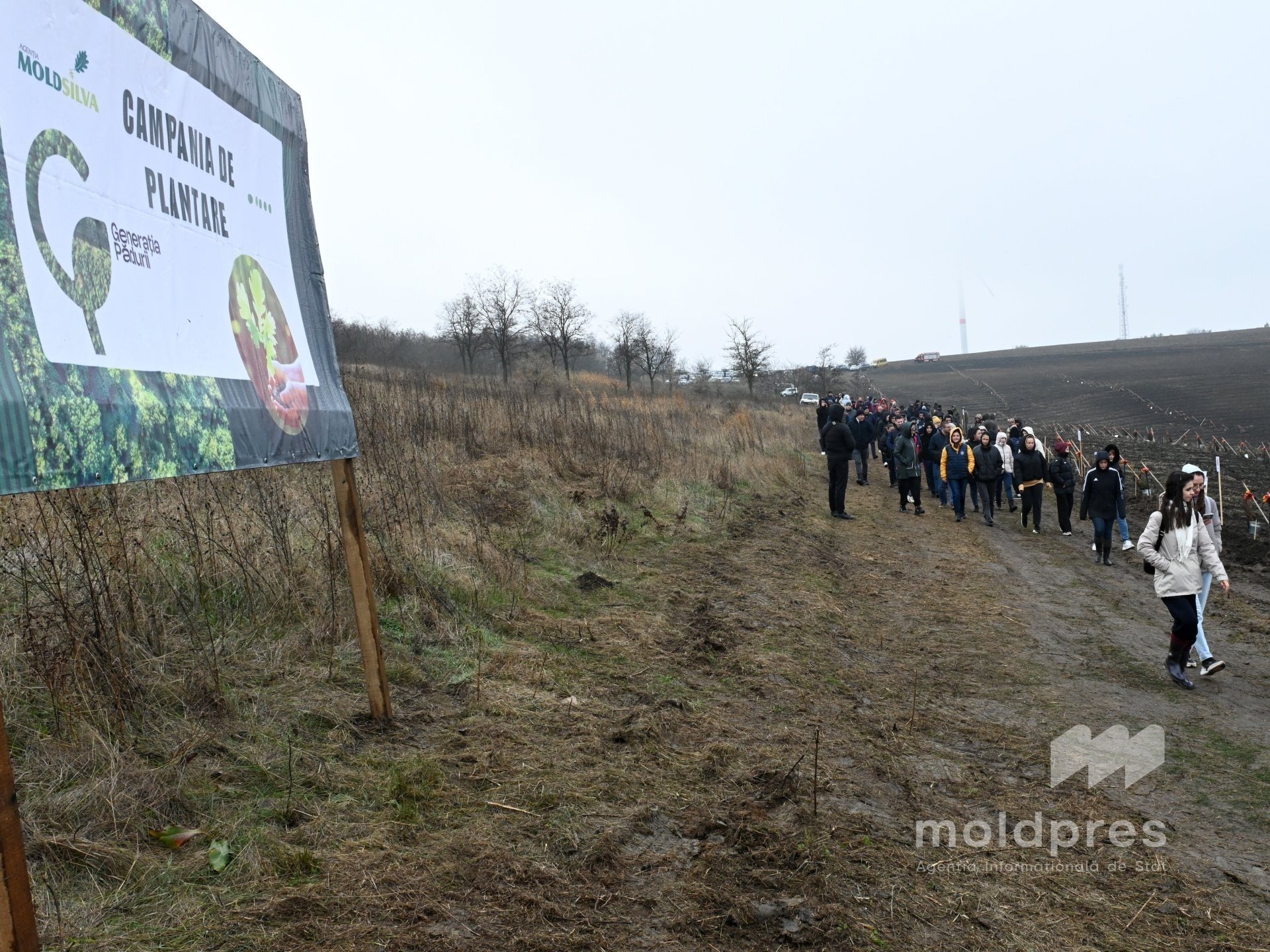
The forest fund remains under pressure, despite intensified inspections. Illegal logging and land degradation affect biodiversity and the ability to adapt to climate change.
"Forests are not just an economic resource but an element of climate security. Combating illegal logging has been and remains an absolute priority," stated Gheorghe Hajder.
4. Water pollution and insufficient sewage infrastructure
Access to safe water and the protection of water resources is an acute problem, especially in the context of climate change. The lack of functional sewage stations contributes to river pollution.
"Investments in water and sewage can no longer be postponed. Without them, we are only discussing effects, not causes," noted the Minister of Environment.
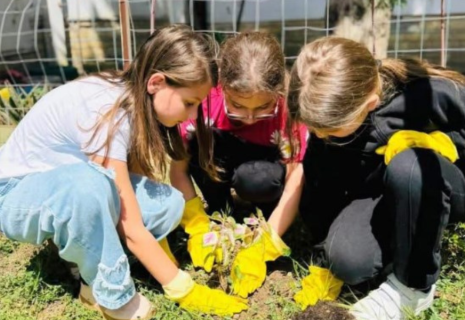
5. Low level of environmental education and civic engagement
Another major obstacle remains the environmental behavior of the population and the low level of information.
"Laws and investments are not enough if we do not have a culture of environmental responsibility. That is why environmental education is essential," mentioned Hajder.
From problems to concrete results
Despite these challenges, 2025 also marked significant progress: strengthening the legislative framework, investments in environmental infrastructure, forest protection, and constant alignment with European Union standards.
As reported by CE Report, according to the Minister of Environment, these results indicate a paradigm shift - from ad-hoc reactions to integrated policies oriented towards prevention and sustainability.