Albania emerges as Europe’s rising tourism hotspot
Albania, long considered one of Europe’s best-kept secrets, is rapidly becoming a favorite destination for international tourists seeking authentic experiences, untouched nature, and rich culture, writes Megan Picot in an article published in the travel magazine The Traveler.
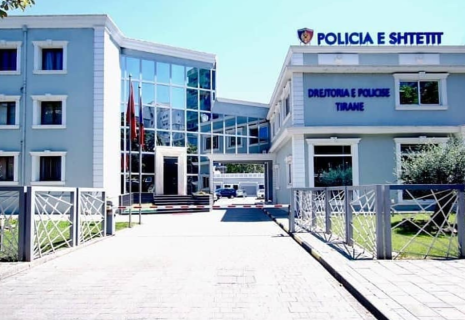
The capital, Tirana, offers a lively and energetic atmosphere, with bustling cafés, dynamic nightlife, and a spontaneous vibe that makes every experience unique, CE Report quotes Kosova Press.
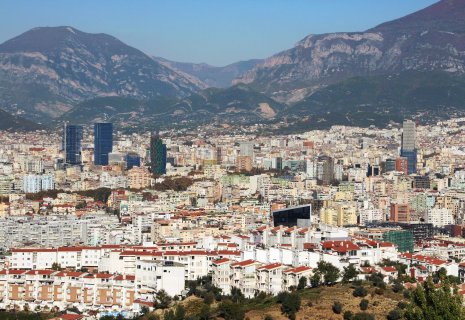
Tirana has undergone a visible transformation, with urban development, more modern structures, and a growing influx of tourists from around the world. The same trend can be seen in other tourist destinations across the country, where investment and international interest have increased significantly.
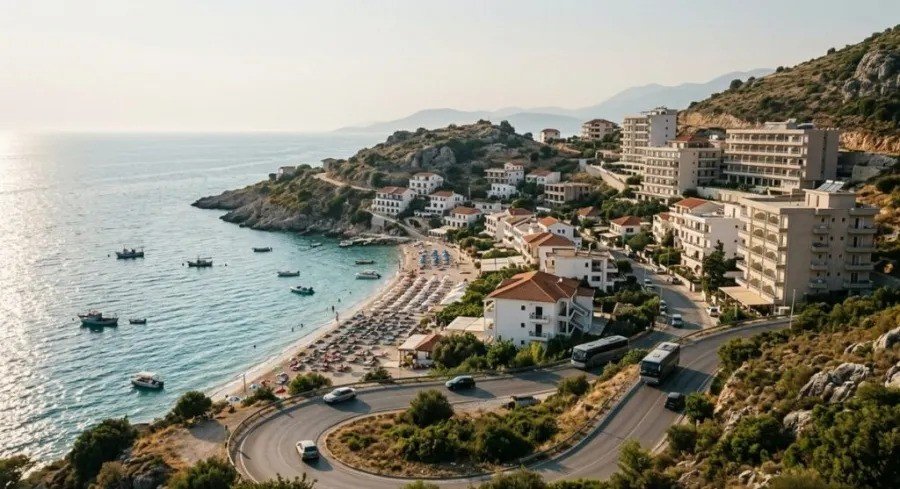
One of Albania’s greatest assets remains its spectacular coastline along the Adriatic Sea and the Ionian Sea. Crystal-clear beaches, hidden coves, and unspoiled natural landscapes are attracting more and more visitors looking for alternatives to overcrowded Mediterranean destinations.
Beyond its natural beauty, Albania offers a rich cultural and historical heritage. Cities like Berat and Gjirokastër, known for their distinctive architecture and UNESCO protected status, provide a unique experience for those interested in exploring Albanian history and traditions.
Another element that makes Albania attractive is the hospitality of its people. Tourists often highlight the warmth and authenticity they experience when interacting with locals, as well as the opportunity to encounter a culture that still preserves strong traditional elements.
Albanian cuisine is also gaining attention, combining Mediterranean and Balkan flavors into a rich gastronomic experience. Local restaurants, fresh products, and traditional dishes are an essential part of traveling in the country.
With growing international interest and continued development of tourism infrastructure, Albania is establishing itself as one of the most dynamic and promising destinations in Europe. It is transitioning from an alternative destination into a mainstream choice for many travelers seeking something different from classic tourist offerings.
From “hidden gem” to well-known destination, Albania has become one of Europe’s standout discoveries for budget travelers. However, the rise in tourism is bringing noticeable changes in prices, especially in coastal areas.
In recent years, Albania has transformed from a relatively unknown country into a major European tourist destination. Tirana International Airport has recorded significant growth in air traffic, while the number of visitors has surpassed 10 million annually, making the country one of the fastest-growing destinations in the region.
This growth is also reflected in coastal areas such as Saranda and Ksamil, once considered quiet and very affordable destinations. Today, they are emerging as well-known Mediterranean hotspots, with new developments, increased tourist flows, and higher prices.
Infrastructure is developing rapidly, including the Llogara Tunnel and plans for a new airport in Vlorë, improving accessibility but also increasing pressure on the tourism market.
Despite rising prices, Albania remains an affordable destination, especially outside peak season and beyond the most popular coastal areas. In the north, regions like Theth and Valbona Valley still offer lower prices and more authentic experiences, with accommodation and meals often costing around €30–35.
Other areas such as Pogradec and Korçë provide more economical alternatives compared to the coast. In Tirana, traditional restaurants and residential neighborhoods still offer affordable food and drinks.
Public transport within the country remains one of the cheapest aspects of travel, with ticket prices far below the European average.
Albania is currently undergoing an important phase of tourism transformation. As infrastructure improves and investments increase, the country is shifting from a “budget destination” to a more consolidated and, in key areas, more expensive market.
However, many inland and northern regions still retain their affordable and authentic character, offering alternatives for travelers seeking reasonable prices.
Overall, Albania remains an attractive Mediterranean destination, but with a clear trend: a gradual shift toward more mass and structured tourism.