EU mandates user-replaceable batteries by 2027
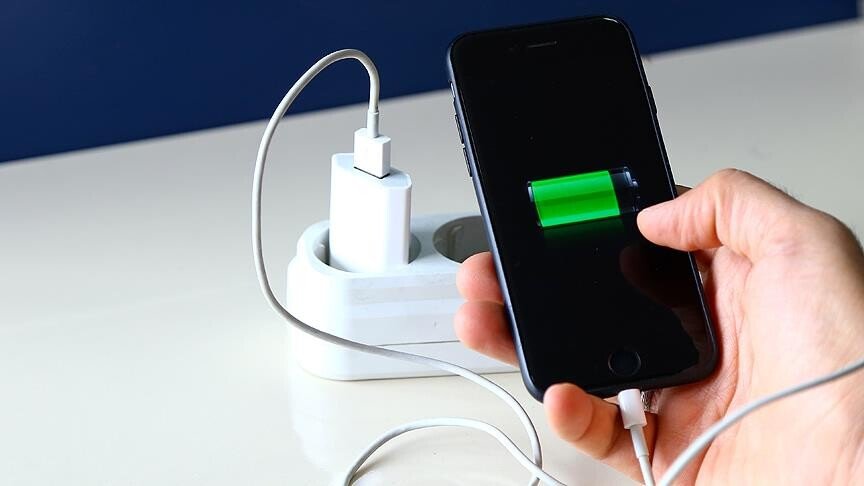
The European Union will require all new smartphones sold from February 18, 2027, to have user-replaceable batteries, as part of efforts to reduce electronic waste and extend device lifespan.
This measure is part of the EU’s environmental and sustainability policies under the Battery Regulation approved in 2023. Through a gradual transition, it aims to reduce the environmental impact of batteries and create a more sustainable usage cycle, CE Report quotes Anadolu Agency.
The new rules are designed to reduce electronic waste and ensure more efficient use of natural resources. They aim to extend device lifespans and allow consumers to use their products longer at lower cost. The goal is to move away from a “throwaway” model toward a system based on repairability, reuse, and recycling.
The first phase began in 2025, introducing stricter durability and repairability requirements for smartphones sold in the EU.
Manufacturers are now required to:
- ensure spare parts are available for at least 7 years after a product is withdrawn from the EU market
- provide accessible repair manuals
- not restrict independent repair services
- ensure batteries retain at least 80% capacity after 800 charge cycles
The most significant phase will take effect in 2027. From that date, smartphones must have batteries that users can remove and replace themselves using simple tools, without needing professional service.
However, this does not necessarily mean a full return to old-style removable back covers. Manufacturers are expected to maintain water and dust resistance and slim designs, using more modern solutions such as reduced adhesive use and standardized screws.
By 2030, the EU estimates these measures could save consumers nearly €20 billion.
A key objective is reducing e-waste, as millions of smartphones are replaced each year due to declining battery performance. Easier battery replacement could extend device life by several years, significantly reducing waste.
Consumers are also expected to benefit from lower repair costs and longer device usage, delaying the need for new purchases.
The regulation will also have major implications for tech companies such as Apple and Samsung, which will need to redesign devices for the EU market.
Although the rules apply to Europe, their global impact is likely. Companies often prefer unified designs rather than producing region-specific models, meaning EU standards can become global norms.
A similar effect was seen with the USB-C requirement, which led many manufacturers to adopt the standard worldwide. The same is expected for these new battery and repairability rules.