North Macedonia's Health Ministry: Organ donation campaign shows encouraging early signs - EXCLUSIVE
The Ministry of Health of North Macedonia has been implementing the campaign “Organ donation gives the highest meaning to humanity!” as part of a broader effort to raise public awareness, strengthen trust, and encourage a more open public conversation about organ donation. The campaign is being carried out through public events, media engagement, appeals by medical professionals, and communication aimed at presenting organ donation as an act of humanity, solidarity, and dignity. While our primary focus has been on awareness and trust-building, we have also seen encouraging early signs. In the past three months, since the campaign was intensified, North Macedonia has had two deceased organ donors, which we see as an important positive signal.
This was said by the source in the Ministry of Health of North Macedonia in an exclusive interview with CE Report.
Regarding transplant activity, in 2024, North Macedonia had two deceased organ donors, with four kidney transplants and one liver transplant performed. In 2025, there were three deceased organ donors, with six kidney transplants and two liver transplants performed. In the same year, the country also launched its corneal transplantation program, with nine corneal transplants performed. In 2026 so far, there have been two deceased organ donors, with three kidney transplants, one liver transplant, and one heart transplant performed. These figures show continuity in the development of the transplantation program, as well as a gradual expansion of its scope.
At the same time, the main challenge remains the high rate of refusal for organ donation, especially in the context of family consent after brain death is confirmed. This clearly points to the need for stronger and more sustained public education. In our view, the key challenge is not only medical or organizational, but also social. The Ministry needs to continue building public understanding, trust, and readiness to discuss organ donation within families and communities.
To address this, the Ministry is taking action on two levels. First, the Ministry is continuing awareness activities through targeted public communication, educational outreach, and the involvement of doctors, patients, and other stakeholders. Second, the Ministry is working on legislative changes that would allow every citizen, during their lifetime and through their chosen family doctor, to formally state whether they wish to be an organ donor after death. The aim is to make the individual’s will clearer, more visible, and better reflected in the health system.
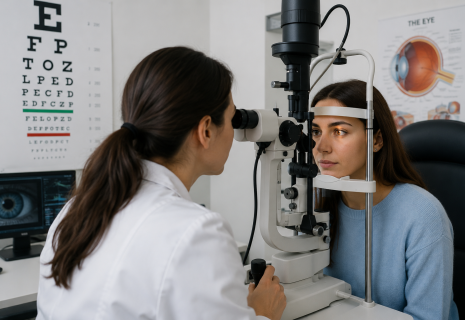
As for international cooperation, the Ministry sees this as an important part of the future development of transplantation in North Macedonia. A recent example is the launch and strengthening of the corneal transplantation program through cooperation with international experts. In the coming years, the Ministry plans to continue expanding cooperation in the areas of professional training, exchange of expertise, donor coordination, and further alignment with international standards and best practices.
Photo: AI
This interview was prepared by Julian Müller