Japanese erotic drama 'In the Realm of the Senses' returns to cinemas
Compared with Nagisa Ōshima's In the Realm of the Senses, Bernardo Bertolucci's Last Tango in Paris almost seems tame.
The film by the provocative and irreverent Japanese director returns to cinemas on November 9, distributed by CG Entertainment, in an uncut version marking its 50th anniversary, CE Report quotes ANSA.
Ōshima went far beyond the controversy surrounding Marlon Brando's film and the infamous butter scene, insisting on depicting unsimulated sexual acts filmed in real life.
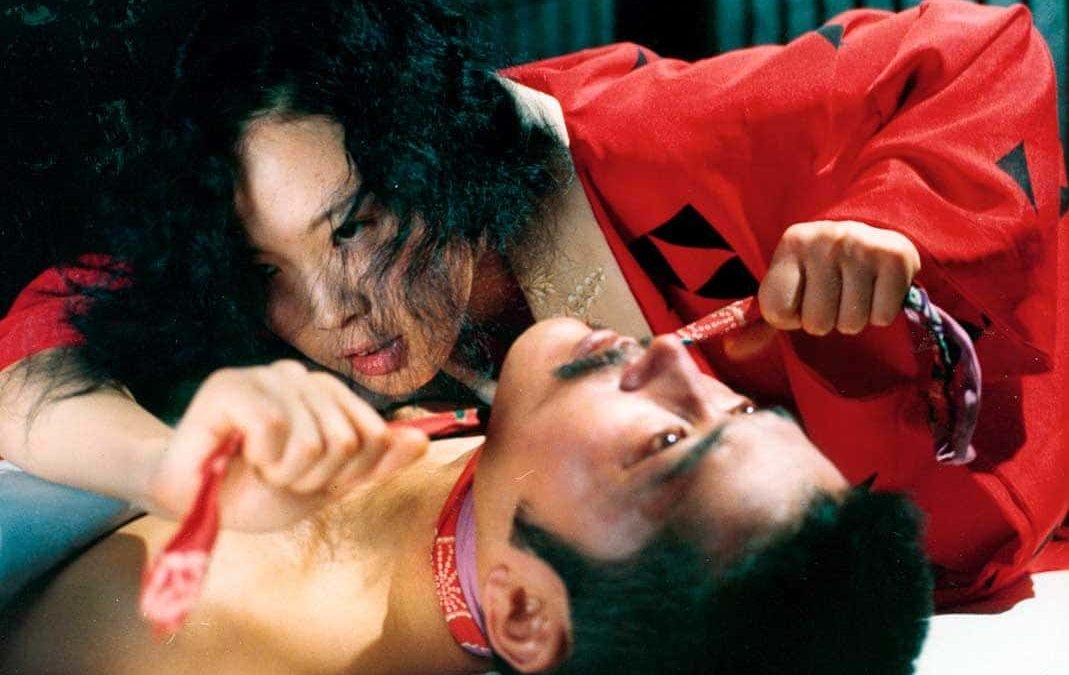
In the Realm of the Senses tells the story of an uncontrollable and overwhelming passion, reminiscent of Georges Bataille's erotic literature. It takes a radical approach to sexuality and desire, featuring repeated sexual encounters and explicit scenes involving both protagonists.
Like many extraordinary stories, the film is based on real events that took place in 1936. Its central character is Sada Abe, a beautiful woman with a past as a prostitute who begins a relationship with Kichizō Ishida, the owner of an inn where she works as a servant.
Their relationship gradually becomes increasingly obsessive. At one point, Sada tells her lover, almost as an attempt to justify herself, that she suffers from “erotomania,” describing an ongoing and uncontrollable desire. The story ultimately ends in tragedy.
The film also had consequences for its two young lead actors in Japan. Tatsuya Fuji, who played Kichizō Ishida and was already an established actor, weathered the controversy more successfully, while the less-known Eiko Matsuda, who portrayed Sada, suffered particularly serious consequences for her career.
One unusual aspect of the controversial film is that it was shot in Japan with Japanese actors but produced as a French-Japanese co-production. The film negative was developed and edited in Paris, allowing the production to avoid being entirely subject to Japanese censorship controls.
In Japan, however, only a heavily censored version could be screened.
The film faced a different fate in Italy. In 1977, distributor Medusa submitted it to the censorship commission, which refused to authorize its release, deeming the repeated sexual scenes, certain practices depicted and the violent ending unacceptable.
The distributor appealed, arguing that the scenes had artistic value and were essential to the work. On October 11, 1977, the appeals commission also rejected the film.
Only after modifications and cuts was it granted screening approval, with an adults-only rating prohibiting viewers under 18.
In 1979, three years after its international presentation, the film was released in Italy. On April 8, the newspaper L'Unità triumphantly announced that censorship had finally recognized the film's artistic value, declaring: “The Italian public has finally become ‘adult’!”
When Ōshima was put on trial in Japan for obscenity, he famously turned the accusation around with a simple remark:
“Obscenity lies not in what is shown, but in what is hidden.”
Photo: citefilms.com