Francesco Guccini’s “Calde le pere” book to be published posthumously
"In the story there is a tribute to Pavana, when I surrender to the poetic imagination of the breeze that blows from the source of the Reno River in the Pistoia Apennines through woods and meadows. There I wanted to name herbs, flowers, and fruits using the same Pavana dialect words found in Cronache epafàniche and Tralummescuro, because words matter, and their sound is the one through which we first learned to love things."
Francesco Guccini said this about his book Calde le pere, which he worked on until the very end, on July 23, together with editor Paolo Iacuzzi, who accompanied him on his final literary adventure, CE Report quotes ANSA.
What is now being described as his spiritual testament, the book will be published posthumously in September by Giunti.
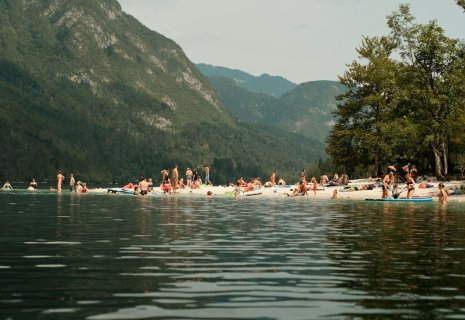
"Calde le pere began from a notebook that a friend told me about, from which he also created a cabaret show. The two stories he told me—the girl on a bicycle and the innocent young woman who becomes pregnant after bathing in the Reno River—fascinated me. Casalecchio sul Reno was once Bologna's seaside escape, attracting more than 10,000 visitors a day during the summer. From the 1930s to the 1950s, postcards were printed showing the weir on the Reno that had created a large area suitable for swimming," Guccini said.
"The book begins in the same way as Vola Golondrina, the last crime novel I wrote with Loriano Macchiavelli. There, a mysterious motorcyclist appeared distributing leaflets; here, instead, there is a girl on a bicycle, clearly a prostitute—a mirror image of the madam who, at the end of this book, takes on the role of a kind of early gynecologist. I have always loved stories that spring from a triggering event or the sudden arrival of a deus ex machina, almost like a theatrical twist. As in several of my other novels, I divided the book into scenes, giving each a title and an ironic caption, as some of my favorite authors, from Sterne to Jerome, would have done," Guccini explained.
Speaking about Pavana, he added:
"It is important to me to preserve the words of the dialect, to save all those names. The Reno is the river of my life. I have made it the subject of many of my songs, yet, like Claudio Magris' Danube, it actually begins with the trickle of a tap in the Apennines. In these pages I also wanted to recall its epic history and wonder whether there was ever a true 'river seafaring tradition' on the Reno. When I think about it, it is the other axis that crosses the Via Emilia. Perhaps, lying in that river, with my head among the meadows of Pavana, my feet toward Modena and Bologna, and my arms embracing the woods, there is also me."
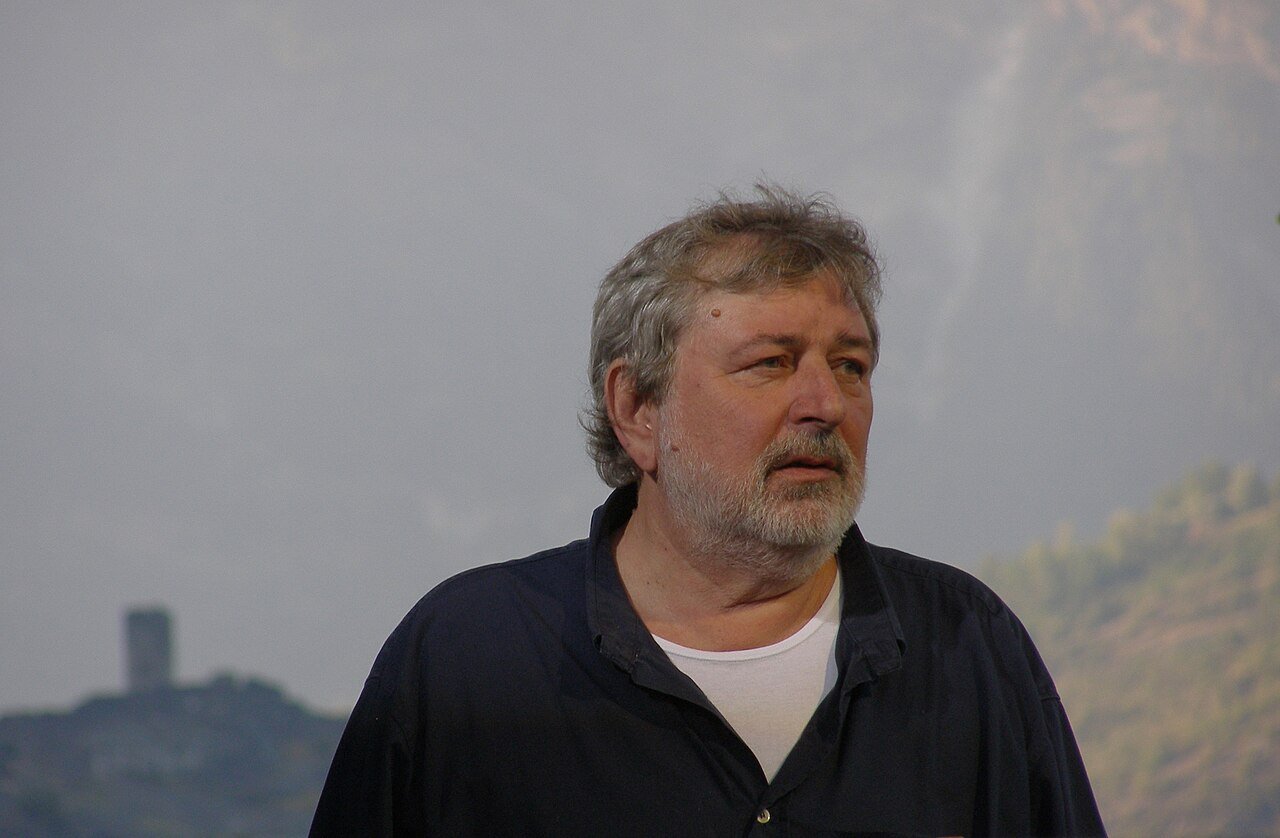
Photo: Wikipedia