Vučić warns Serbia must secure energy reserves ahead of winter risks
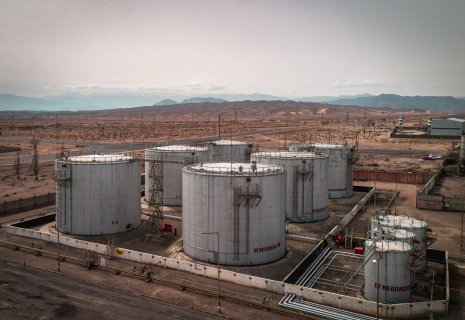
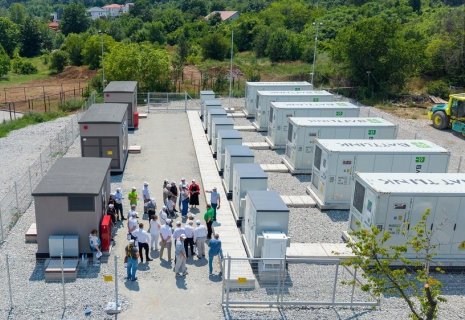
Serbian President Aleksandar Vučić announced that upon returning from Baku, he will hold meetings with relevant teams to secure energy reserves, warning that without timely stockpiling, “we will have nothing during the summer, let alone in winter.”
Former Assistant Minister of Energy Raša Kojčić told Radio Television of Serbia that Serbia’s energy reserves are currently stable, but continuous efforts are necessary to secure them, especially in light of events in the Persian Gulf, CE Report quotes FENA.
He stated that in the previous period, significant progress was made in building substantial energy reserves so the country can respond in crisis situations, noting that around 20% of total crude oil previously arrived via the Strait of Hormuz.
“Serbia has secured sufficient quantities of energy through mandatory and operational reserves, which has enabled the stable functioning of the system. At no point were there fuel shortages at petrol stations, and citizens did not feel the effects of the global crisis,” Kojčić said.
Speaking about the oil market, he warned that problems could arise due to global supply disruptions.
“If there is a disruption in supply through the Persian Gulf, everyone who depended on it will look for alternative sources of crude oil,” he said.
He added that Brent crude oil reached $112 per barrel on Monday, while petrol rose to $600. After U.S. President Donald Trump stated that negotiations with Iran were continuing and the ceasefire was being extended, Brent prices fell to $108 per barrel.
Regarding gas, Kojčić assessed that Serbia has a stable supply thanks to its agreement with Gazprom.
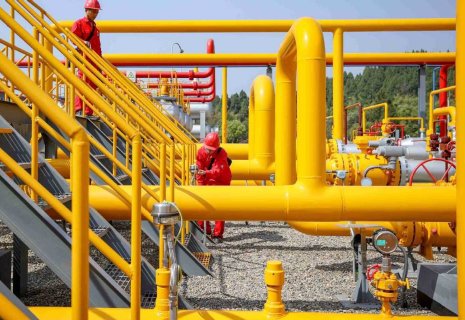
“The Banatski Dvor storage facility is filled to capacity, part of the gas is also stored in Hungary, and stable supply is ensured via TurkStream and Balkan Stream, with additional quantities from Azerbaijan,” he said.
According to him, Serbia is working on several infrastructure projects aimed at positioning the country as a regional energy hub, including interconnections with Romania and North Macedonia, as well as the construction of an oil pipeline toward Hungary.
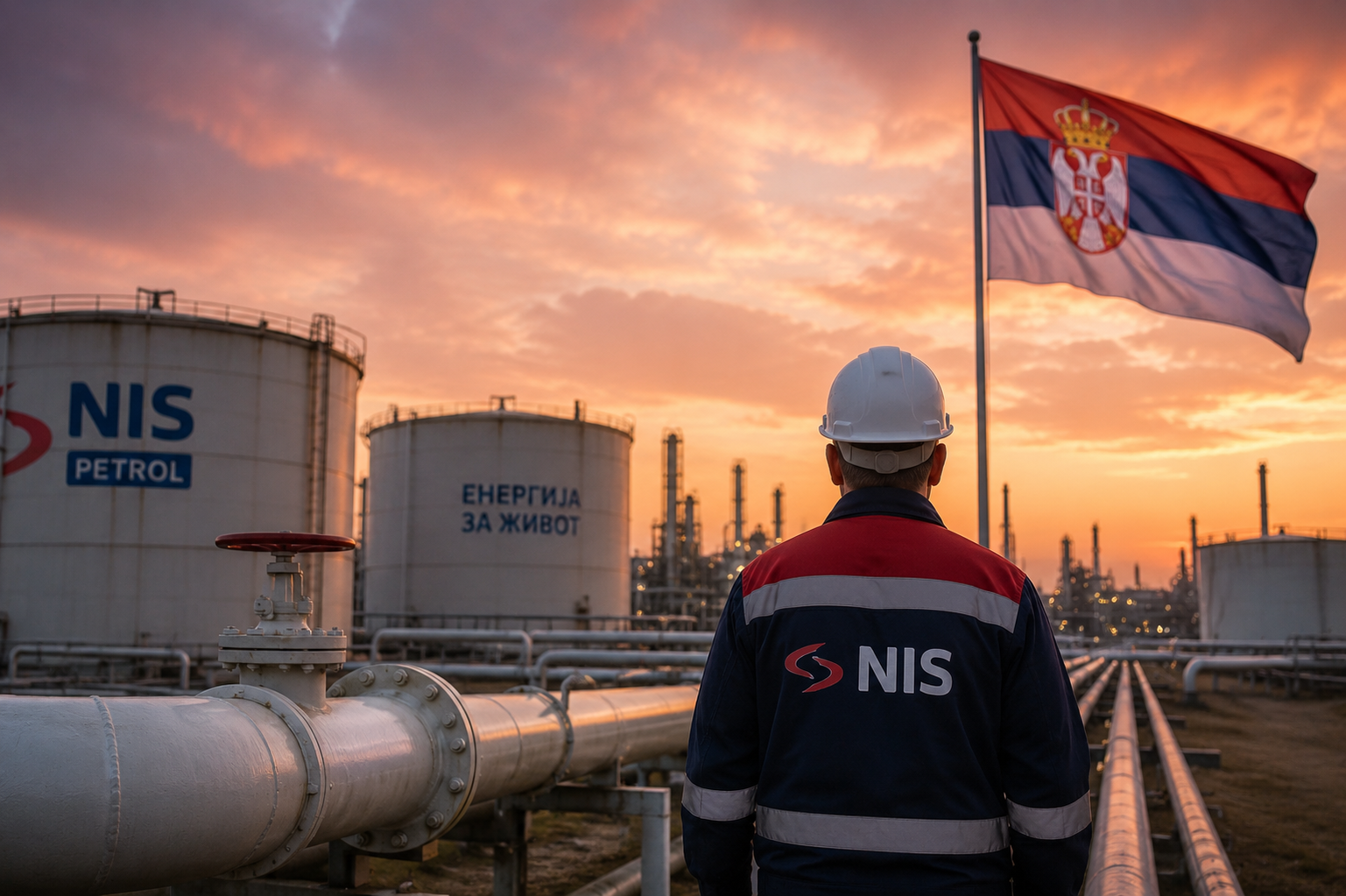
Kojčić emphasized that NIS is crucial for the security of fuel supply and other energy products derived from crude oil.
Commenting on negotiations with MOL, he said the Pančevo refinery is of great importance for Serbia because, unlike most countries in the region, Serbia does not have access to the sea.
Photo AI