Bulgaria's last Albanian village struggles to preserve its heritage
Deep in southern Bulgaria, a small village founded by Albanian settlers in the 17th century is struggling to preserve its unique language, architecture and cultural identity as its population continues to decline.
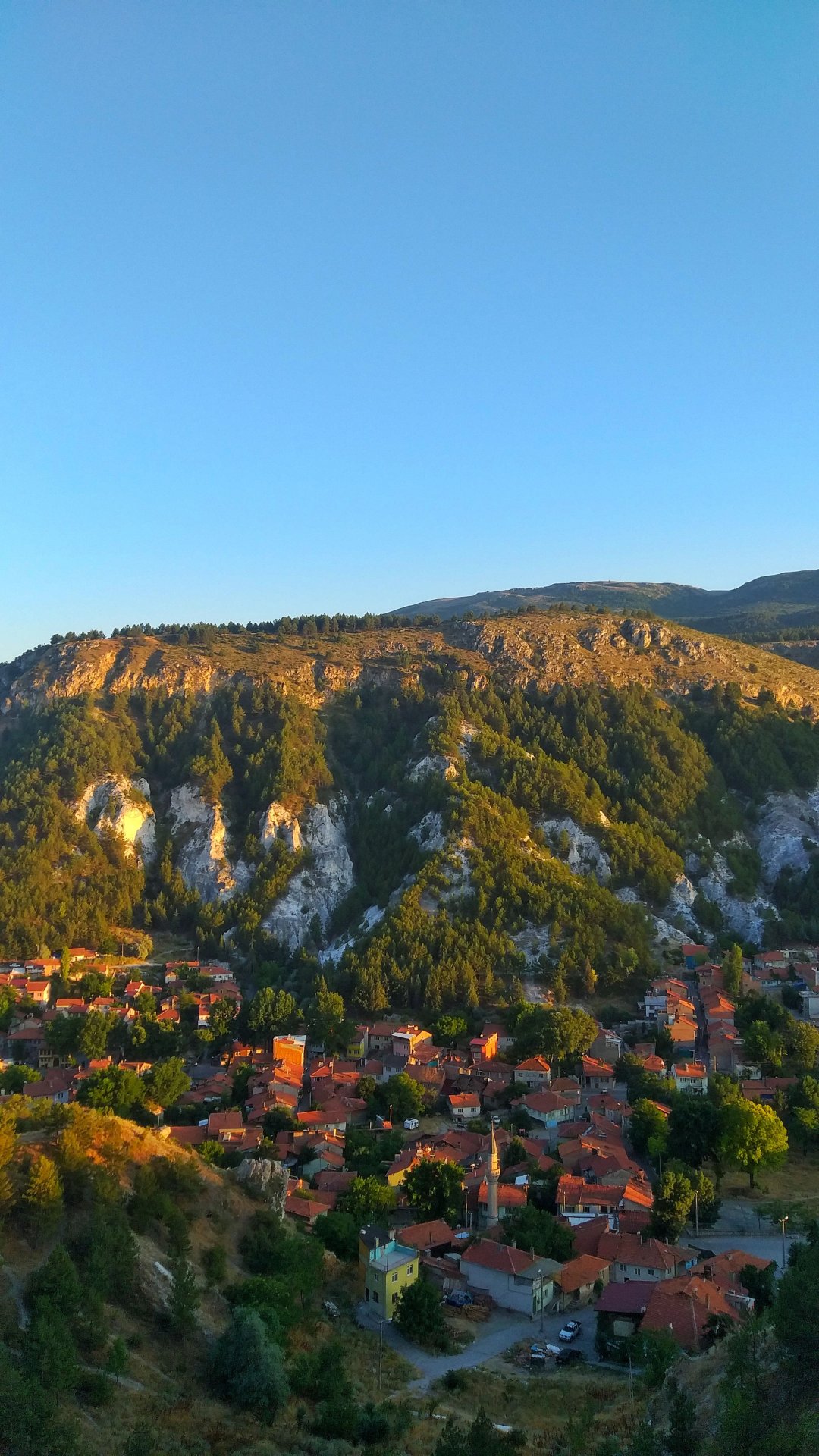
Located in the Eastern Rhodope Mountains, south of the town of Ivaylovgrad and close to the Greek border, Mandritsa is considered Bulgaria's only historically Albanian village, CE Report quotes Kosova Press.
Once home to more than 3,000 residents, the settlement now has only around 20 elderly inhabitants who still speak a centuries-old Albanian dialect, according to a report by Bulgarian National Radio (BNR).
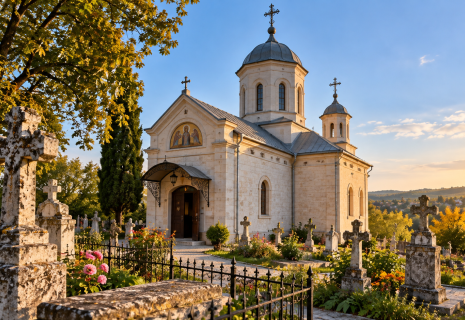
Despite its shrinking population, Mandritsa has preserved traces of its Albanian heritage through its language, traditional customs and distinctive houses built from stone, wood and sun-dried clay bricks.
Many of these historic buildings have been abandoned and are gradually deteriorating, but they remain reminders of a once-prosperous community.
During its economic peak, Mandritsa had two schools, an ambulance service, a hospital, a maternity ward and even a soft drink factory.
The village was also an important center of silk production, with residents raising silkworms inside their spacious homes.
A rare Albanian dialect passed down through generations
Among the remaining Albanian speakers is 93-year-old Sultana, who remembers how the language survived through generations despite changing political circumstances.
Speaking to Bulgarian National Radio, she explained that families continued using Albanian at home even during periods when their ancestors faced restrictions on speaking it.
However, the dialect preserved in Mandritsa differs considerably from modern Albanian spoken in Albania and Kosovo.
Sultana said that villagers had traditionally spoken their own local variety of Albanian, which was passed down orally rather than through formal education.
She also recalled changes in how the community's ethnic identity was recorded in official documents.
According to her account, residents were previously identified as Albanians in their passports, but their nationality was later recorded as Bulgarian.
Today, the dialect survives mainly among Mandritsa's elderly residents and a small number of people with family connections to the village who live across the border in Greece.
The declining number of speakers has raised concerns that this rare linguistic heritage could disappear as older generations pass away.
Traditional houses reveal the village's prosperous past
One of Mandritsa's most distinctive features is its traditional architecture, particularly its tall houses, some reaching three stories.
The buildings were constructed using stone foundations, wooden frameworks and adobe bricks made from clay and dried naturally in the sun.
Unlike conventional fired bricks, these materials were produced without kilns, using techniques developed and refined over generations.
Many homes were designed specifically to support the village's once-thriving silk industry.
The ground floor was generally used to shelter livestock, while the second floor provided space for raising silkworms. Families lived on the upper floors.
The buildings' natural materials helped maintain stable indoor temperatures and provided ventilation, making them suitable for both residential use and silk production.
Traditional insulation methods included mixtures of clay and animal manure, which were applied to floors to help regulate temperatures during hot summers and cold winters.
Anton Hristov, Sultana's grandson, said the craftsmanship involved in constructing these buildings was remarkable and would be difficult to reproduce today.
He explained that their unusual design reflects both the skills of local builders and the economic needs of the community at the time.
Efforts underway to save Mandritsa's heritage
Hristov is now working to revive tourism in his ancestral village while preserving its architectural heritage.
He has begun restoring an old adobe building and transforming it into an environmentally friendly guesthouse using traditional construction methods.
The project aims to demonstrate how historic structures can be preserved and adapted for modern use without losing their original character.
Hristov is also collaborating with Meshtra, an organization of architects and heritage enthusiasts, to organize workshops focused on traditional building techniques.
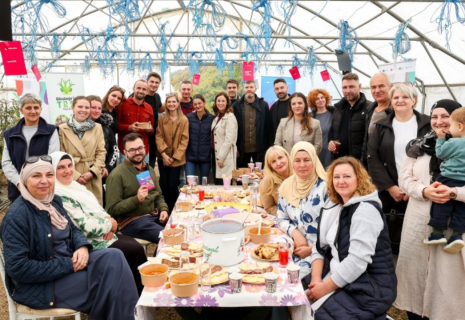
Visitors can learn how to prepare clay bricks, natural plaster and other construction materials while gaining practical experience in restoring historic buildings.
The workshops combine theoretical instruction with hands-on activities, offering participants an opportunity to experience the village's traditional way of life.
Through these initiatives, organizers hope to attract visitors interested in architecture, history and sustainable tourism while raising awareness of Mandritsa's cultural significance.
However, preserving the village's language remains an even greater challenge.
With only a handful of elderly residents still speaking its distinctive Albanian dialect, the future of this centuries-old linguistic tradition is uncertain.
Mandritsa stands as a reminder of the longstanding Albanian presence in Bulgaria, where abandoned houses, traditional construction methods and a rare dialect continue to preserve the memory of a community that was once much larger.
Photo: Pexels (Free Stock Photos)