Mitsotakis urges UK to reunite Parthenon Sculptures with Greece
In an article prompted by the recent return of the Bayeux Tapestry to Britain for the first time in 1,000 years, Prime Minister of Greece Kyriakos Mitsotakis again raised Greece's standing demand for the reunification of the Parthenon Sculptures, in an opinion piece published by the UK newspaper "The Guardian" on Thursday.
Pointing out that the Bayeux Tapestry remains intact, unlike the sculptures of the Parthenon frieze - which he described as "dismembered" and divided between Athens and London - Mitsotakis stressed that Britain should "seize this moment and reunite the Parthenon sculptures in Greece," CE Report quotes ANA-MPA.
"Nobody would seriously contemplate cutting what survives of the tapestry in two and displaying half in London and half in Bayeux, and claiming this was an adequate way to understand it. Yet that is exactly what happened to the Parthenon sculptures. A single masterpiece was divided, and its surviving parts are now principally split between London and Athens," Mitsotakis noted in the article, pointing out that both were conceived as single works, intended to be seen and understood as a whole.
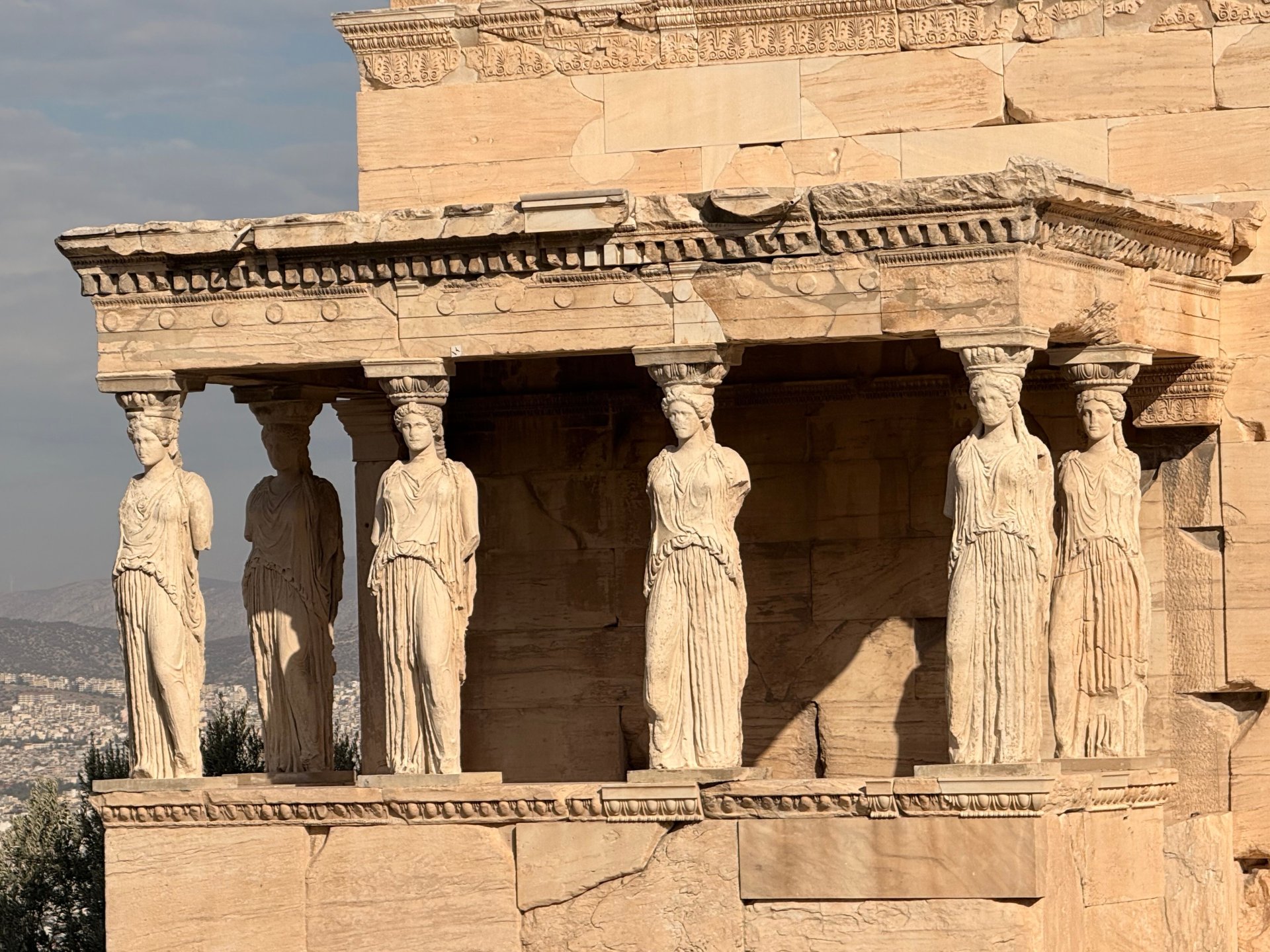
In the case of the Parthenon sculptures, he added, they were also integral architectural elements, created as inseparable parts of the Parthenon temple itself.
The Greek prime minister then highlighted the historical significance of the sculptures as a visual depiction of the religious, civic and political identity of Classical-era ancient Athens. He noted that the frieze "remains one of the world’s most compelling representations of the collective life of the city from which democracy emerged," and a celebration of Athenian democracy.
"The case for reunification is not an argument for emptying the world’s museums. The Parthenon constitutes a specific and exceptional case. The issue is not merely one of possession or legal title. It concerns the restoration of the physical, aesthetic and conceptual integrity of a dismembered monument of outstanding universal value," Mitsotakis said, while stressing that Greece will not accept arrangements that involve "borrowing" or accepting the British Museum's ownership of them.
He also rejected suggestions that the loan of the Bayeux Tapestry could act as a 'model' for an arrangement involving the Parthenon Sculptures.
"France has lent the artwork as an undivided whole, and that work will return to France as an undivided whole. The Parthenon presents the reverse situation: integral parts of the monument were forcibly removed and dispersed. Our objective is their permanent reunification. UNESCO’s Intergovernmental Committee for the Return of Cultural Property to Countries of Origin has repeatedly called upon the UK to engage with Greece on this matter in good-faith dialogue," he said.
Pointing out that the British public is increasingly in favour of the Parthenon Sculptures' return to Athens, and citing past comments by current British Prime Minister Andy Burnham that they should be returned "with no strings attached", Mitsotakis concluded by noting that restoring the unity of the monument so closely associated with the birth of democracy will send a powerful signal.
"What is needed now is the political will and courage to take the decisive step, to reunite the sculptures and transform a historic dispute into a unique act of cultural friendship," he emphasised.
Photo: Pexels (Free Stock Photos)