Croatian women’s groups demand accountability over failures to prevent femicide
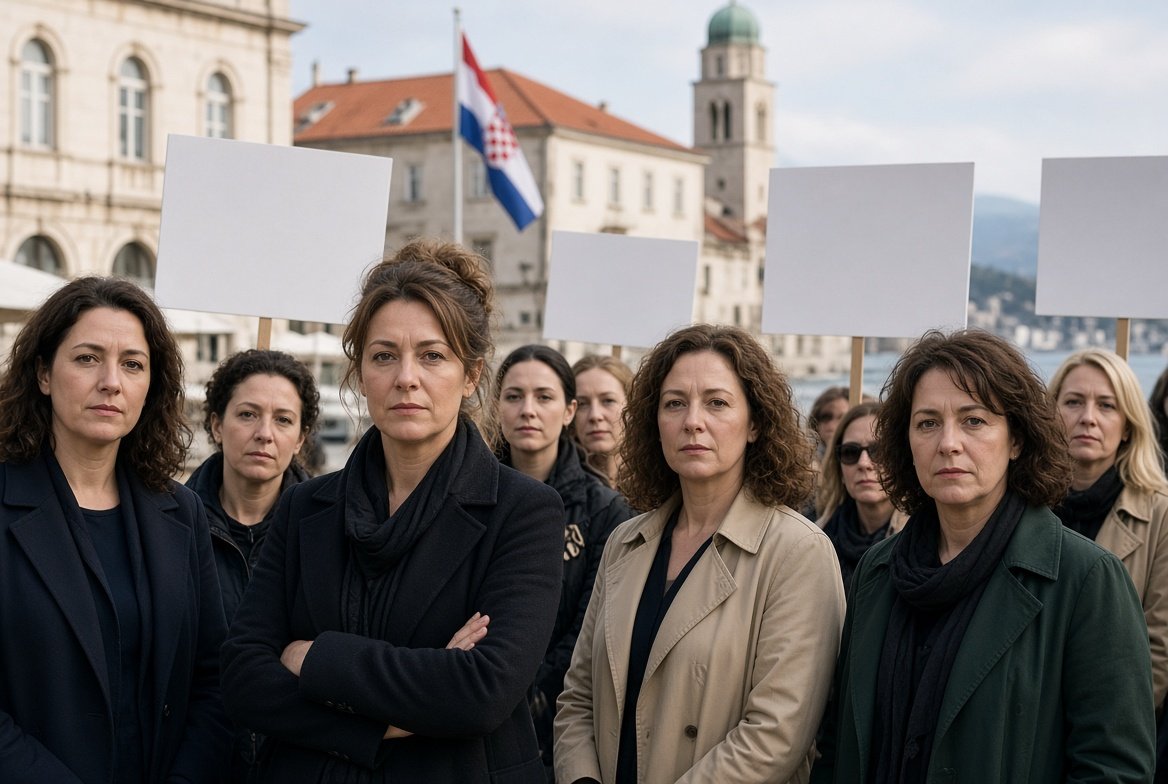
Women's organisations and initiatives will stage symbolic public actions titled “While the Minister Sheds Light, Women Remain in the Dark” in 17 Croatian cities and towns.
They will present their demands, including moving violence against women from the misdemeanour sphere exclusively into criminal law, CE Report quotes HINA.
Key Demands of Women's Organisations
“We demand a special law against all forms of gender-based violence,” women's organisations and initiatives said ahead of Croatia's National Day Against Violence Against Women on September 22.
They are also calling for a unified, mandatory and standardised assessment of the risk of repeated violence and femicide, as well as mandatory and continuous specialised training for everyone responsible for assessing risks and deciding on measures to protect women.
They are demanding urgent and coordinated action by institutions, effective prosecution and punishment of perpetrators, and accountability for failures to protect women, as well as a comprehensive National Strategy against all forms of violence against women.
They are also calling for stable, adequate and long-term funding for women's organisations providing specialised services to women who are victims of violence.
Among their demands is an investigation into failures and accountability of all those responsible in the case of the femicide in Slatina, along with concrete changes in the way the system responds so that such failures are not repeated.
“We are not asking for explanations after a murder. We are demanding a system that will recognise the risk, stop the perpetrator and protect the woman before violence ends in femicide,” the women's organisations said, according to a statement issued by the Women's Network Croatia.
Slatina Case and Minister's Response
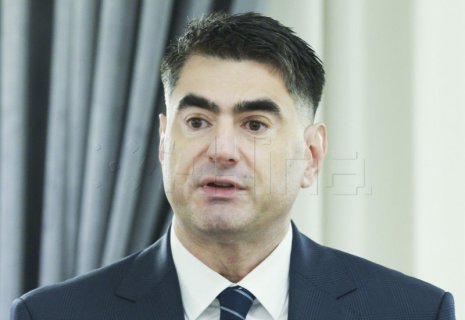
They also criticised what they described as an attempt by Minister Alen Ružić, following the femicide in Slatina, to shift blame onto the murdered woman by highlighting that she had withdrawn protective measures and claiming that this gave the case “a specific light.”
“Such a statement demonstrates a serious misunderstanding of the dynamics of violence against women and diverts responsibility away from the perpetrator and the institutions that were required to assess the risk and protect the woman,” the women's organisations and associations said.
They also pointed out that women withdraw reports and protective measures because of fear, threats, coercive control, economic dependence and concerns for their children.
“Withdrawal of a measure does not erase the violence, eliminate the risk or absolve the state of its responsibility. A woman can withdraw a report or a measure. The state cannot withdraw its obligation to protect her life. A system that knew about the violence, yet a woman was still killed, is not a system in which ‘everything was fine’ — it is a system that failed to protect her,” they said.
Where the Public Actions Will Take Place
The public actions will be held in Zagreb, Osijek, Split, Rijeka, Beli Manastir, Pakrac, Vukovar, Virovitica, Bjelovar, Karlovac, Korenica, Koprivnica, Šibenik, Trogir, Korčula, Zadar and Novska.
Croatia's National Day Against Violence Against Women is observed in memory of September 22, 1999, when judge Ljiljana Hvalec, divorce proceeding party Gordana Oraškić and her lawyer Hajra Prohić were killed during a divorce hearing at the Municipal Civil Court in Zagreb. Oraškić's husband was responsible for the killings and also seriously injured court clerk Stanka Cvetković.
Photo AI