‘Babylon Berlin’ final season echoes Germany’s far-right resurgence
The final season of the cult TV series “Babylon Berlin,” which focuses on Hitler’s rise to power, has particular resonance in contemporary Germany, which is facing a renewed rise of the far right, AFP reports.
On Thursday, the fifth season of the landmark TV production will premiere on Germany’s public broadcaster ARD, just four days after the far-right Alternative for Germany (AfD) secured a historic victory in the regional elections in Saxony-Anhalt. The party has been accused of racism and links to the neo-Nazi movement, CE Report quotes AGERPRES.
The timing of the release is “a pure coincidence,” said German directors Tom Tykwer, Achim von Borries and Henk Handloegten.
Inspired by the crime novels of German writer Volker Kutscher, the big-budget series is set during the Weimar Republic, a period characterized by a liberal constitution and permissive social attitudes. The era stretched from the end of World War I to Hitler’s rise to power and was weakened by Germany’s humiliation following its defeat in 1918 and the economic crisis of 1929.
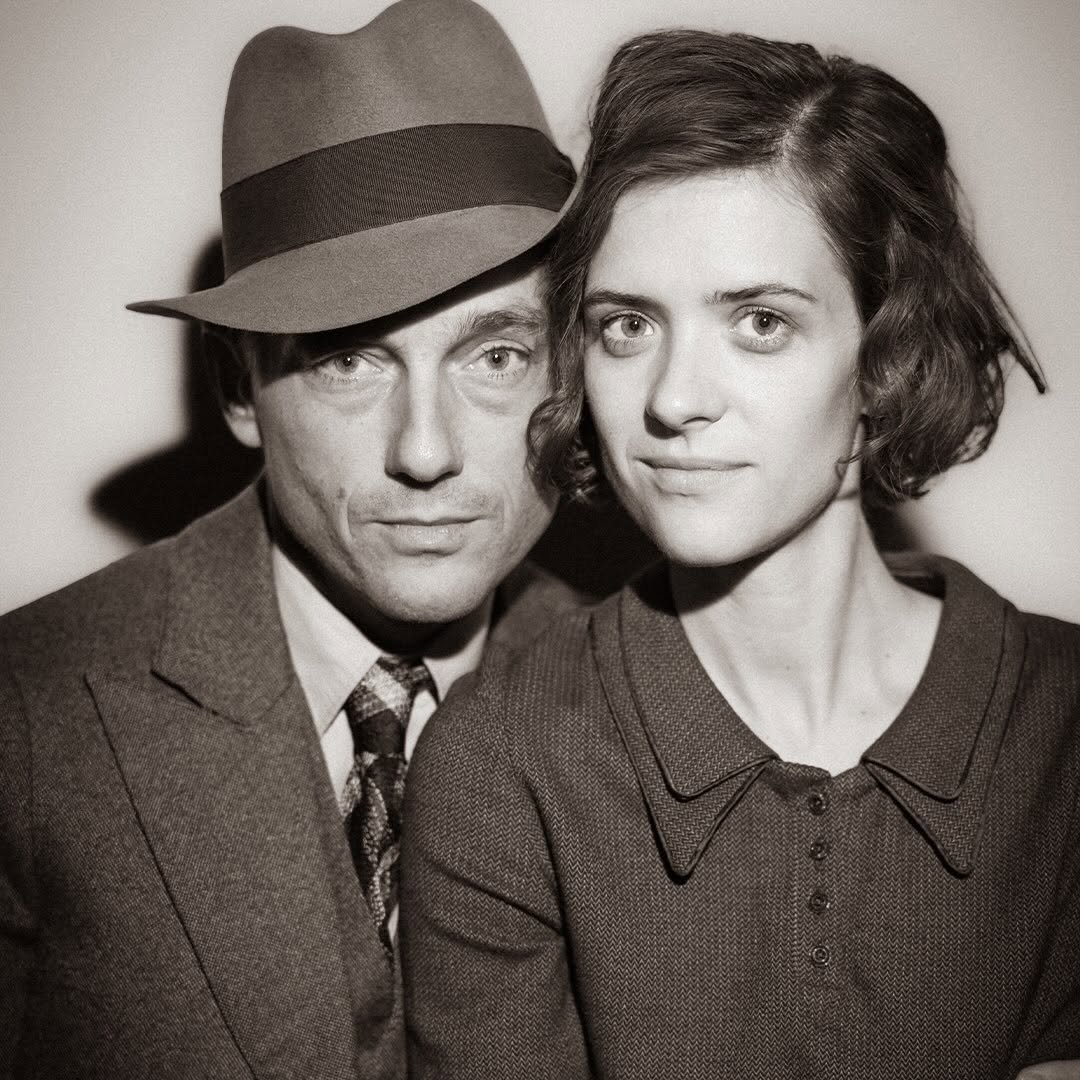
Broadcast in 140 countries, “Babylon Berlin” follows the investigations and love stories of Gereon Rath, a young police commissioner traumatized by World War I who comes from Cologne, and his partner Charlotte Ritter, a young Berlin woman from a modest background who dreams of working for the police.
The rise of the extremes
Season 5, which will premiere on Thursday evening at a red-carpet ceremony held at a famous Berlin cinema, does not yet have an international release date.
Since the first season premiered in 2017, the creators of the series have kept the story focused on the final four years of the Weimar Republic (1929–1933), a period marked by economic crisis, political instability and the rise of extremist movements.
To their great surprise, history seems to be repeating itself: in Germany and elsewhere in the world, democracies are facing a crisis, confronted with growing nationalism and increasing voter distrust.
“Our original idea was conceived before the major upheavals that Europe, and the world as a whole, are experiencing today,” said Tim Tykwer, the series’ creator, who is also known for his films “Run Lola Run” (1998) and “Cloud Atlas” (2012).
When the three directors began working on the project in 2013, the far right had no presence in the German parliament, and the AfD had only recently been founded.
Initially promoting an anti-euro policy, the party gradually became more radical, transforming into a nationalist and anti-immigration movement. After entering the German parliament in 2017, the AfD is now the main opposition force in the Bundestag and continues to gain ground.
The “fragility” of democracies
The series “Babylon Berlin” reflects this “fragility” of democracies, Tom Tykwer said in an interview with AFP.
“These systems, which are oriented toward people, are always vulnerable when aggression is well organized,” he said.
“We were drawn to these themes precisely because they concern something much deeper: the struggle between peaceful systems based on empathy and the forces that can destroy them,” Tom Tykwer added.
Asked whether “Babylon Berlin” was created to send “a message” to German voters ahead of the regional elections in Berlin and Mecklenburg-Western Pomerania (in the former East Germany) on September 20, a vote in which the AfD is expected to make further gains, directors Tom Tykwer and Achim von Borries answered no.
Henk Handloegten, however, said he was proud that the series had “struck a chord” with viewers around the world, who are themselves living through a period of political change.
“I think we have taken a clear political position, including in this final season, and I believe that is extremely necessary,” he said.
Henk Handloegten believes that the pressures facing democracy in many of the countries where the series is broadcast “have indeed been a source of motivation.”
“It gave me the legitimacy to explore that historical period for so long and in such depth, because I felt that it resonated with the world today,” he said.
“And, in a somewhat strange way, for me it is also a political activity — an undertaking that we have been pursuing here for 13 years,” Henk Handloegten added.
Photo: Babylon Berlin / Facebook