Eastern Europe's wines seek bigger global stage - EXCLUSIVE
Bulgaria, Romania and Moldova have the potential to strengthen their position on the international wine market by joining forces around their shared heritage, indigenous grape varieties and growing trade links.
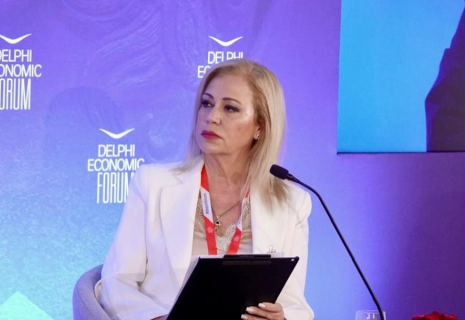
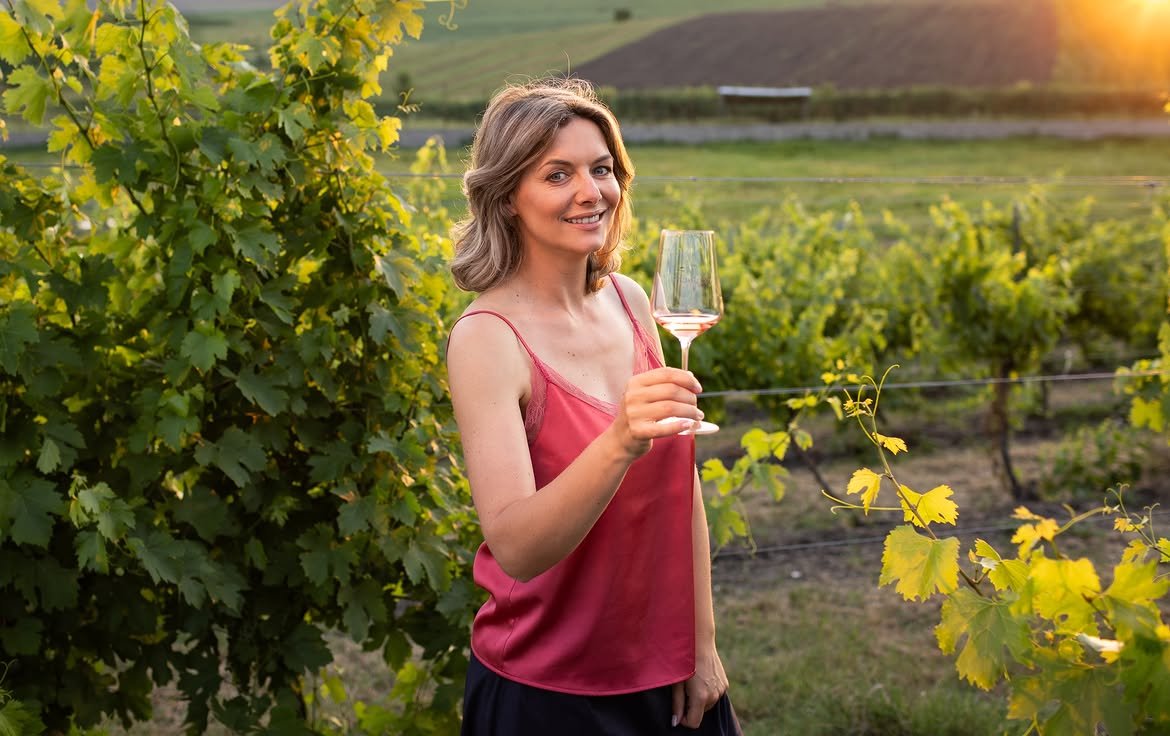
This was said by the founder of Wines of Romania, Marinela Ardelean, in an exclusive interview with CE Report.
According to Ardelean, the three countries are competing less with Western Europe than with their own lack of international visibility. While each country remains relatively underrepresented on the global wine map, together they can offer a distinctive story built around indigenous varieties such as Fetească Neagră, Mavrud and Rară Neagră, which are closely associated with the region.
“At Wines of Romania, we see the future of European wine moving along two tracks at once,” Ardelean said, pointing to the importance of both a shared European identity and strong national, regional and local identities.
She said a trilateral initiative involving Bulgaria, Romania and Moldova could combine these approaches by creating a common platform for international reach while preserving the individual characteristics of each wine-producing region.
“There is also a concrete economic logic beneath the branding,” Ardelean said, noting that Romania has become one of Moldova's main export markets over the past decade, while Bulgaria has emerged as one of the leading destinations for Romanian wines.
She argued that the infrastructure connecting the three countries, together with their shared gastronomy, traditions, culture and history, creates the foundations for presenting them as a single tourism and educational destination.
“Pooling resources, know-how and creative energy across the three could produce results that none of them would reach alone,” she said.
Ardelean also stressed that the region's main challenge is no longer wine quality but international recognition. At Mundus Vini Spring 2026, Romania won a record 105 medals, including five Grand Gold medals, while Moldova received 119 medals at the same competition.
“What the region lacks is not quality but visibility,” she said, adding that initiatives aimed at increasing the international profile of Balkan and Eastern European wines should therefore be welcomed.
For Ardelean, the success of such cooperation should ultimately be measured by concrete commercial results rather than media attention.
“Success should be measured not in press coverage, but in export partnerships and international buyers gained,” she said.
She added that this approach is also at the heart of her work with Wines of Romania and Wines of Europe, aimed at giving the region's wines greater access to international markets.
Regarding the possibility of establishing a lasting trilateral platform, Ardelean said the existing economic and commercial links between the three markets provide a strong foundation.
She noted that an international Balkans wine competition already exists, meaning that the distinctive value of a new initiative would not necessarily be another competition. Instead, its strength could lie in connecting three already interconnected markets and creating opportunities for both producers and consumers.
According to Ardelean, potential areas for future cooperation could include long-term joint export strategies and coordinated international marketing. However, decisions on the future structure of such a platform, as well as whether other countries could eventually join, should be addressed by the initiative's organizers.
Photo: Instagram/marinelaardelean
This interview was prepared by Laura Hoffman