World Bank launches CARE4BlueSea to protect Albania’s southern coastline
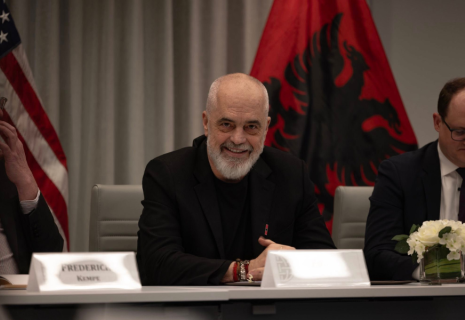
The World Bank launched in Tirana the ‘Clean and Sustainable Environment for the Blue Sea’ (CARE4BlueSea) project.
This is a government initiative aimed at protecting Albania’s southern coastline, enhancing water quality, and advancing European Union environmental standards, CE Report quotes ATA.
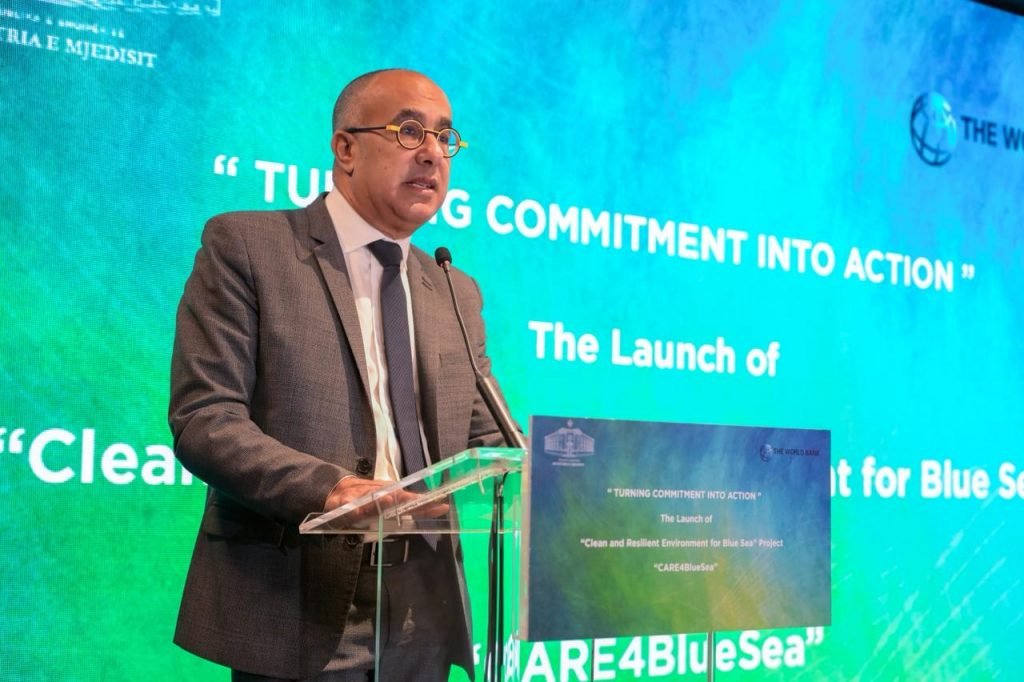
“The CARE4BlueSea integrated design reflects the World Bank’s emphasis on cross-sectoral interventions in Albania to deliver impact. By working across tourism, water, waste, and climate adaptation, we support the Government to deliver solutions that address root causes rather than symptoms. Together, we aim to support the Government to achieve cleaner rivers and seas, healthier communities, stronger tourism and local economies, and a credible pathway to EU-aligned, circular systems,” said Sameh Wahba, Regional Practice Director at the World Bank Group during the launching ceremony.
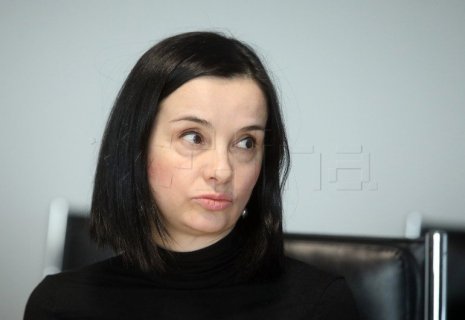
Minister of Environment Sofjan Jaupaj emphasized that this initiative is a strategic step toward meeting EU requirements on environment and climate.
CARE4BlueSea project will tackle pollution in the Vjosa River and along the Vlora coastline, introduce modern wastewater treatment systems, and strengthen local institutions for long-term sustainability through: Expanding municipal waste collection coverage from 75% to 90%, building and operationalizing four new wastewater and sludge treatment plants, providing improved sanitation services to up to 40,500 people, driving behavioral change and innovation to reduce plastic pollution.
The Ministry of Environment and Albania’s Agency for Water Supply, Sewerage and Waste Infrastructure (AKUK) will lead implementation, while local governments, private sector, and civil society play an important role in extending service coverage, piloting separate collection, and driving innovation and behavior change, particularly for plastics reduction and source separation.
The project aims to improve the quality of life for local communities and promote a circular economy in line with European Union standards.