Bulgaria among EU’s cheapest countries
Bulgaria remains among the countries with the lowest prices in the European Union, but inflation continues to be felt strongly because of lower incomes and the large share of household budgets spent on food, speakers said during the conference "Open About Prices 2.0", organized by the Bulgarian subsidiary of German supermarket chain Lidl, in Sofia.
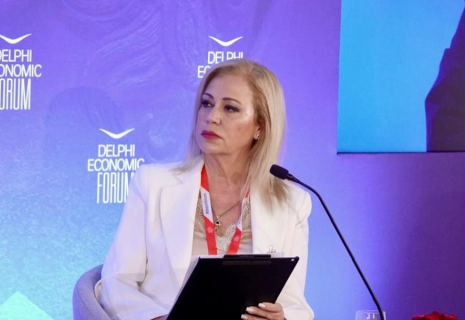
Lidl Bulgaria CEO Milena Dragijska said harmonized annual inflation in Bulgaria reached 6.3% in May 2026, compared with around 3-3.2% in the euro area. Food inflation in the euro area remained relatively low, while Bulgaria's overall inflation was driven mainly by rising services prices.
Monthly data for May showed virtually no overall inflation and a 0.4% decline in food prices, CE Report quotes BTA.
According to Dragijska, price pressures continue to stem from higher energy, transport and logistics costs, as well as strong wage growth. She noted that average wages in Bulgaria have nearly doubled since 2021, boosting both production costs and consumer demand. Bulgaria also remains dependent on imported raw materials, meaning part of its inflation is effectively imported from abroad.
She stressed that Bulgarian households spend nearly 30% of their budgets on food and non-alcoholic beverages, compared with around 16% in the euro area, making price increases more noticeable for consumers.
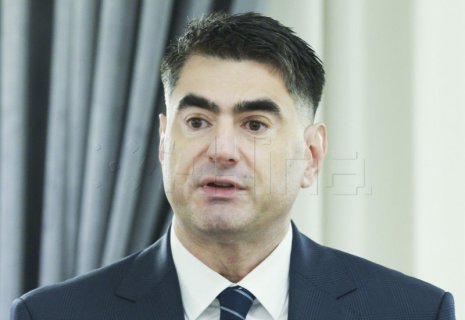
Lidl Bulgaria Merchandise Supply Manager Dragomir Iliev said prices in the retailer's stores rose by an average of 4.55% year-on-year in May, below the National Statistical Institute's reported inflation rate of 4.9%. The sharpest increase was recorded for fruit and vegetables, up nearly 14%, due to adverse weather conditions, limited irrigation infrastructure and reliance on imports.
The company reported that exports of Bulgarian products through Lidl's international network reached EUR 66.4 million in 2025. According to Lidl Bulgaria, deliveries from Bulgarian suppliers increased by 50% between 2023 and 2025, demonstrating the growing competitiveness of local producers on European markets.
The retailer also announced a proposal for a Food Sovereignty Pact aimed at bringing together institutions, producers, retailers and industry organizations to strengthen Bulgaria's food security, support domestic agricultural production and reduce dependence on imports during crises.
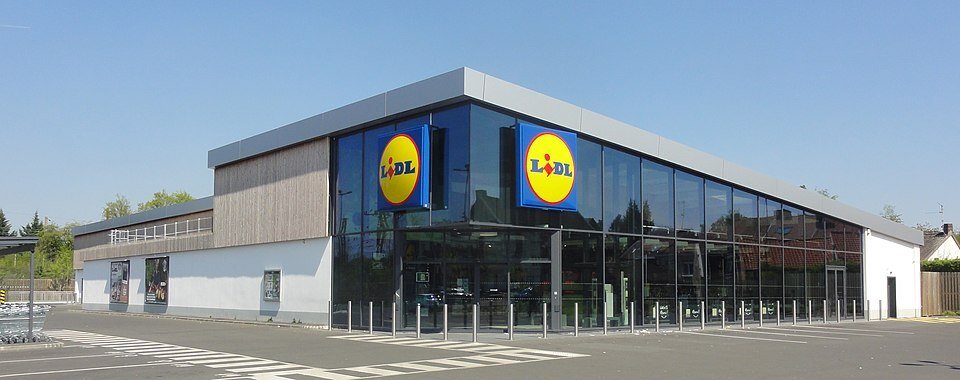
Photo: Wikipedia