Moldova’s ancient forest reserve attracts growing number of visitors
There is a place in Moldova where time seems to have stood still, allowing nature to perfect its work. The Plaiul Fagului Scientific Reserve, a biodiversity gem located between Ungheni District and Călărași District, is now more accessible than ever.
Thanks to recent infrastructure investments, what was once a hard-to-reach destination has become a must-visit spot for travelers seeking peace, fresh air, and spectacular landscapes, CE Report quotes MOLDPRES.
The road that connects people to nature
Tourism success often begins with good roads. In recent years, western-central Moldova has benefited from major infrastructure upgrades. New road segments linking national routes to villages in the heart of the Codri forests have reduced travel time and improved comfort.
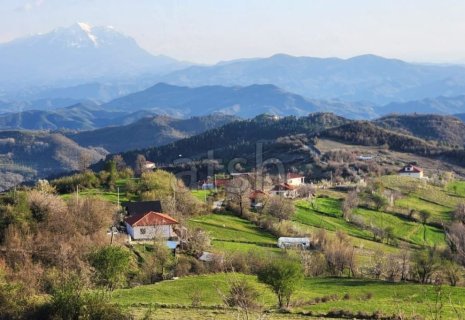
The journey to the reserve is now a pleasure in itself. The road winds through forested hills, offering views reminiscent of mountainous regions. Improved access also makes it easier to reach nearby villages such as Rădenii Vechi and Bahmut, known for their agrotourism guesthouses.
“Plaiul Fagului” – a sanctuary of biodiversity
Once there, visitors are welcomed by deep silence. Covering more than 5,000 hectares, the reserve is unique as it hosts the easternmost beech forests in Europe.
- Ancient beech trees: Some rise over 35 meters, with dense canopies that barely let sunlight reach the moss-covered ground.
- Rich wildlife: Visitors may spot deer, roe deer, or wild boar, while birdwatchers can observe rare woodpeckers and hawks.
- Diverse terrain: The fragmented “hârtoape” landscape of steep hills and deep valleys creates microclimates that support remarkable plant diversity.
Tourist experience: from trails to cuisine
Tourism here goes beyond sightseeing. The reserve offers well-marked eco-trails suitable for solo travelers and families alike.
Nature observation: Viewing platforms and lookout points reveal sweeping forest views.
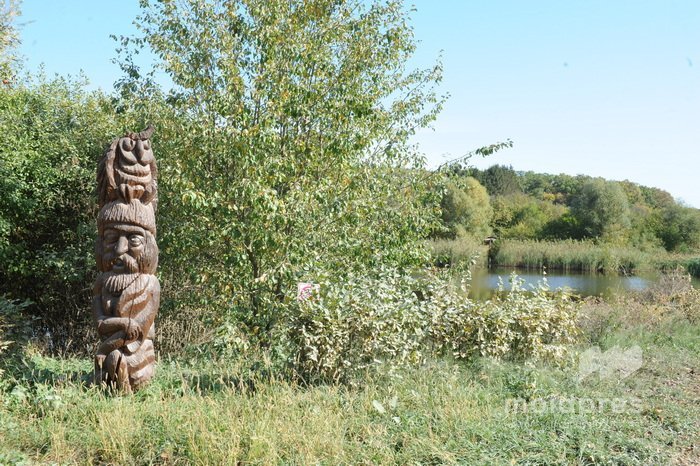
Forest lakes: Scenic lakes reflect the surrounding trees, creating perfect photography spots.
Local traditions: Nearby communities welcome visitors with authentic Moldovan cuisine—polenta, sheep cheese, homemade pies, and locally produced wines.
A sustainable future
Infrastructure improvements and promotion of the reserve are part of a broader strategy to develop sustainable tourism in Moldova. “Plaiul Fagului” proves that development can enhance, not harm, natural heritage.
Today, a trip toward Ungheni or Călărași is more than just travel—it’s an invitation to explore. The reserve stands as a symbol of nature’s resilience and a national treasure waiting to be discovered.
Travel tip: The best times to visit are autumn, when the forest turns golden, and early spring, when snowdrops and violets blanket the ground. Booking in advance is recommended to benefit from guided tours led by specialists.
Walking the trails of “Plaiul Fagului” is more than a trip—it’s a return to nature and a reminder of the beauty and value of Moldova’s natural heritage.