Bill Gates says next five years critical for AI
Microsoft co-founder Bill Gates has warned that biological, cyber and psychosocial risks could emerge faster than the benefits offered by artificial intelligence unless necessary safeguards are put in place.
Gates spoke to The New York Times about the future of artificial intelligence at a time when concerns are growing in the United States over the risks posed by the technology’s rapid development and industry leaders are calling for its advancement to be slowed, CE Report quotes Anadolu Agency.
Pointing out that artificial intelligence, unlike human intelligence, is not subject to biological limitations, Gates noted that the human brain has limited memory and physical capacity, while AI does not face the same constraints.
Gates said the possibility that artificial intelligence could eventually surpass human intelligence was concerning.
“There has never been another product that is so poorly understood, with so little known about what it can do,” Gates said.
He argued that the risks posed by artificial intelligence are not limited to the future, stressing that existing systems already have capabilities that could be exploited by “malicious actors” to carry out biological and cyberattacks.
Gates warned that AI could potentially be used in bioterrorism attacks and could make it easier to carry out cyberattacks targeting digital systems and critical infrastructure. He also pointed to the possibility of safety measures being bypassed in open-source models as a significant risk.
He said another potential future danger is that AI systems could interpret instructions in unexpected ways and act against human interests.
“You can’t rely on the industry to police itself”
Gates argued that awareness of the risks posed by artificial intelligence remains relatively low outside the technology industry.
He stressed the urgent need for mechanisms to oversee the use of AI systems, saying existing systems do not have sufficient layers of supervision.
“You can’t rely on the industry to police itself,” Gates said.
AI’s impact on employment
Gates said artificial intelligence has so far created a significant number of jobs, particularly because of strong demand for workers involved in building data centers and developing AI infrastructure.
He stressed that the fact that technology can perform a job at a lower cost than humans does not necessarily mean that the job must be handed over to AI.
“The fact that economic indicators suggest it is cheaper to use AI does not mean society has to do it,” Gates said, emphasizing that the final decision belongs to society.
The next five years could be critical
Gates said artificial intelligence could make an even greater contribution to low-income countries and argued that the technology should advance as quickly as possible in those regions.
He said AI could be used as a tool to help people in need address fundamental problems.
Citing potential future risks such as an increase in bioterrorism incidents or job losses caused by AI, Gates said, “We probably need to minimize their impact over a transition period that will last more than 20 years.”
He added that during this 20-year period, AI could also bring extraordinary advances that people would directly experience in their daily lives.
However, Gates warned that without the necessary safeguards, biological, cyber and psychosocial risks could emerge faster than the benefits AI is expected to deliver, describing the next five years as critical.
He stressed that decisions about the technology ultimately remain in human hands.
“Although it would be difficult for a single country to decide to slow down, stop or completely eliminate AI, people can make decisions in that direction. Yes, there would also be political challenges,” Gates said.
He added that eliminating data centers would not be enough to slow the development of artificial intelligence.
Safeguards against cyberattacks
Gates said governments have much to learn from one another when it comes to artificial intelligence.
Referring to China’s restrictions on young users engaging in social interactions with AI, Gates said, “Do they know something we don’t? Can we look at the results of different experiments? So we are going to have to learn a great deal about this in the coming period.”
He warned that defending against AI-related threats would be extremely difficult unless adequate safeguards are introduced, particularly against cyberattacks and biological attacks.
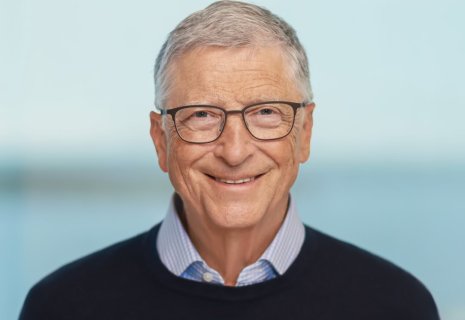
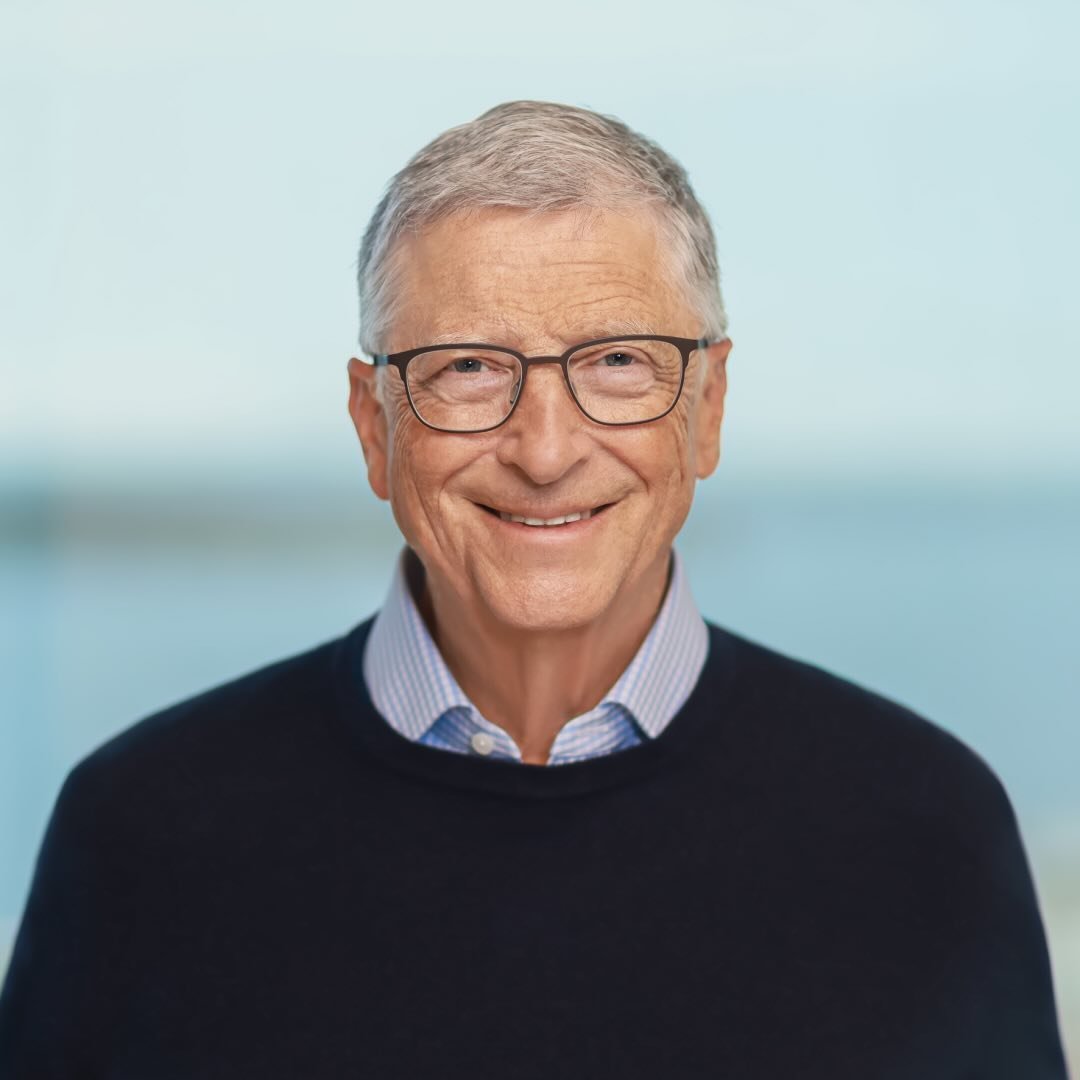
Photo: Instagram/thisisbillgates