Slovenian government blocks Tanja Fajon’s EU Sahel appointment
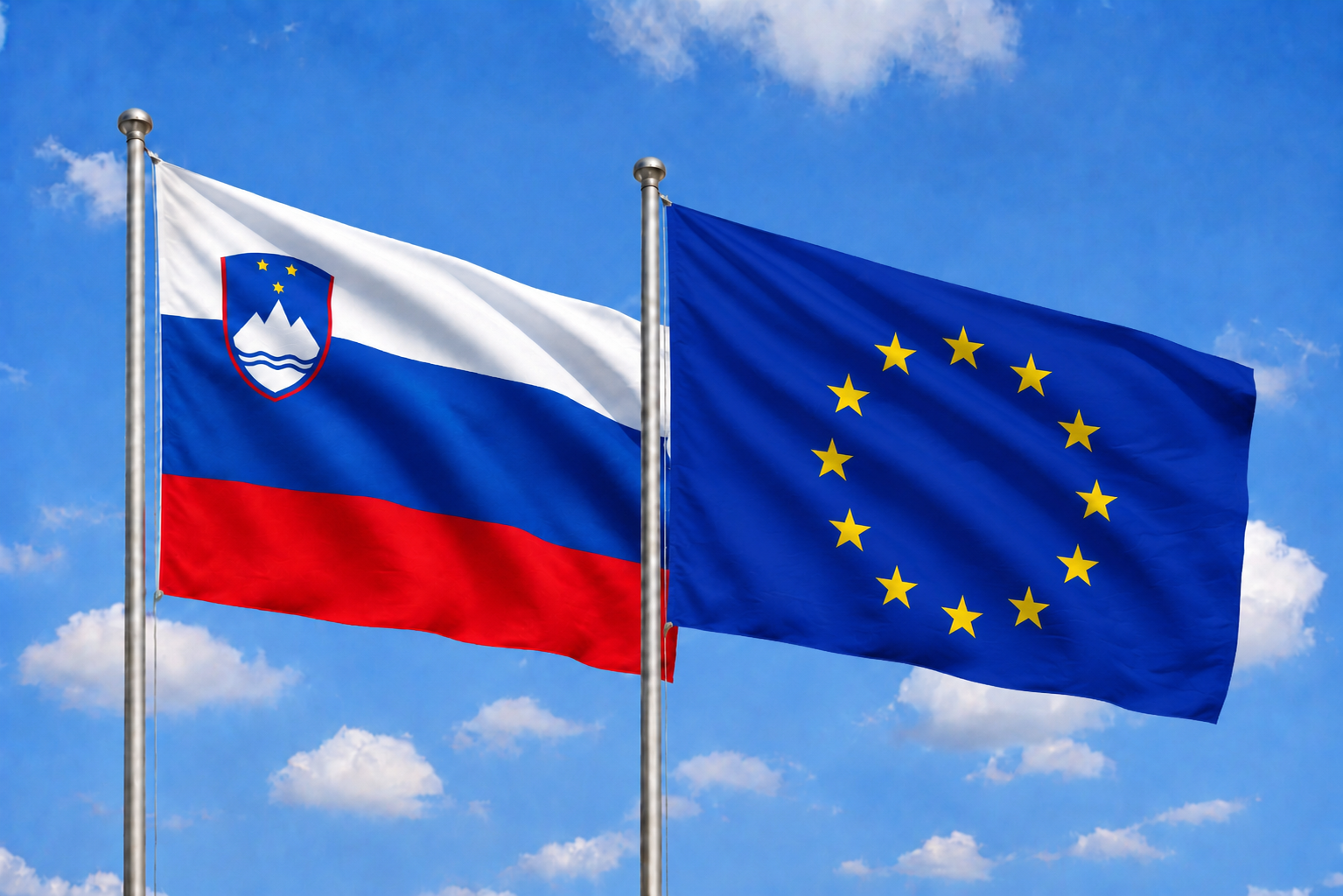
The Slovenian government has blocked the appointment of Tanja Fajon, the former foreign minister, as the EU's special representative for the African Sahel region, alleging violations in the nomination procedure at home.
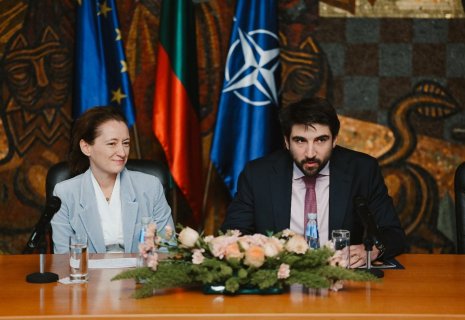
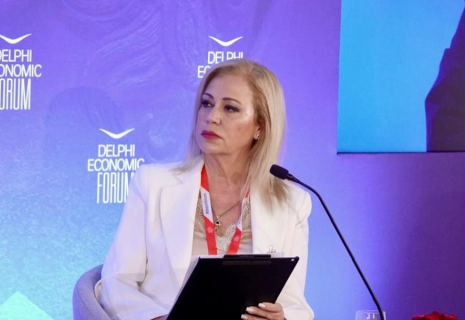
Fajon, who served as foreign minister until the right-of-centre government led by veteran Janez Janša took over in early June, was initially expected to be appointed to the new post by EU member states in early July, having been put forward by the bloc's foreign policy chief Kaja Kallas, CE Report quotes The Slovenia Times.
However, her nomination was removed from the agenda at the time, unofficially due to opposition by Slovenia. On 20 July, Fajon informed the media that Kallas had withdrawn her nomination over pressure from the Slovenian government and the European People's Party (EPP), the largest political group in the European Parliament, which also includes Janša's Democratic Party (SDS).
Just hours earlier Prime Minister Janša wrote on X that the Fajon appointment "saga" was over. This was after the Foreign Ministry reported to the government days before that the validity of the nomination process was questionable, because her nomination was not signed off by the outgoing government but rather by the Foreign Ministry's secretary-general as Fajon's subordinate.
Current minister alleges serious violations
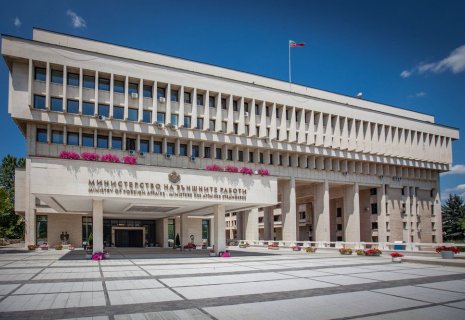
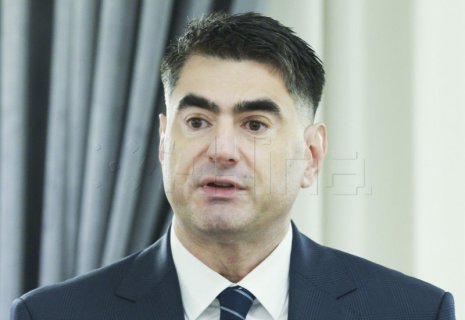
Fajon's successor, Foreign Minister Tone Kajzer confirmed that he had informed Kallas and relevant ministers from EU states on 17 July that the ministry believed the selection process did not meet the principles of integrity and transparency, and that Fajon did not enjoy the Slovenian government's support for the appointment.
He alleged "serious violations" in the nomination procedure, denying Fajon's claim that she had informed him of her bid when he took over from her as minister.
He said the appointment procedure did not have a legal basis, nor was it based on a strategy under which Slovenia increased funding for the Sahel region more than sixfold under the previous government, which Kajzer said could "create an impression that the entire situation was usurped for personal gain".
Fajon feels Slovenia's reputation tarnished
Fajon insisted that the process had been transparent and lawful, carried in the same way as previous applications for similar posts, which she said had been made without the government's endorsement.
She described Kajzer's claim that she did not inform him of her bid as a lie. When she told him about it on the day he took over at the ministry in early June, she said he promised her to actively support her bid and congratulated her when Kallas notified member states of her pick.
Fajon believes "Slovenia's reputation has been severely tarnished" as a result. She fears that after "this misstep" Slovenia will not get another opportunity to hold a high-level position in the EU for some time.
President berates government
Reacting to the development, President Nataša Pirc Musar said she was disappointed by the government's conduct. She said the withdrawal of the appointment "might be a small win for a certain political faction but at the same time a big loss for the country".
"Refusing to provide an endorsement means that political affiliation matters more than experience and knowledge when it comes to support for Slovenian candidates for positions in international institutions," she said.
Like the president, the centre-left bloc, who were in the government in the previous term, argued the withdrawal of Fajon's appointment was a loss for Slovenia. Fajon's party, the Social Democrats, described the government's blocking her appointment as an act of "political revanchism".
The Left said the development should be recalled "whenever we wonder why Slovenia's influence in the world is so negligible, why Croatia has a disproportionately greater presence and influence in the EU, despite joining it later". The Freedom Movement, the largest opposition party, shared the sentiment, saying: "If we want to have influence out there in the world, we need to support all candidates."
Meanwhile, Romana Tomc, a member of the European Parliament from the ranks of the SDS, a member of the EPP, said it was "important to have the support and allies in the EPP", while her party boss, PM Janša, pointed out that EU member states were called on to put forward a candidate for the representative for the Sahel under the previous government, which did not nominate Fajon, hence the nomination was invalid.
The Kallas-led European External Action Service would not comment on the development, but unofficial sources have said Kallas has chosen a new candidate, Danish diplomat Birgitte Nygaard Markussen, for the Sahel post.
Photo AI