Moldova sees Austria as key strategic partner on European Integration - EXCLUSIVE
Relations between the Republic of Moldova and Austria continue to strengthen, with both countries deepening cooperation across political, economic, educational, and development sectors while advancing Moldova’s European integration agenda.
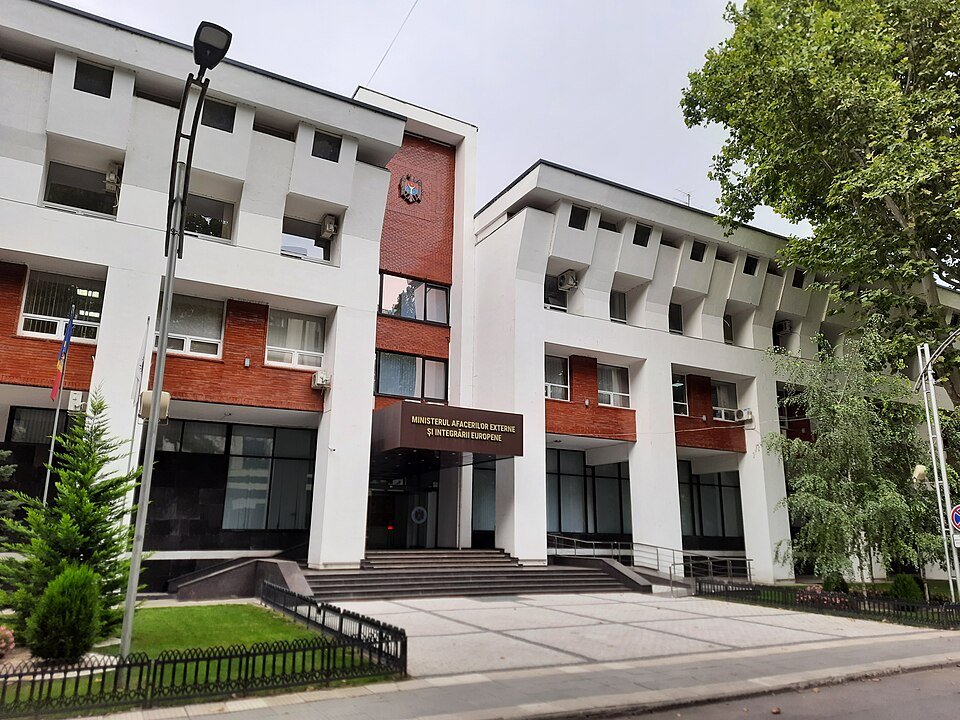
This was said by the Ministry of Foreign Affairs of Moldova, in an exclusive interview with CE Report.
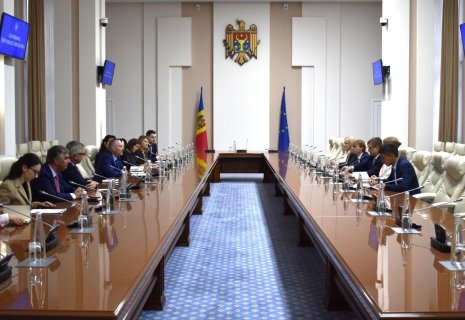
The assessment comes following an official visit to Moldova from 25–27 May 2026 by members of the foreign affairs committees of the Austrian Parliament’s National Council and Federal Council. During their stay in Chișinău, the Austrian delegation met with President Maia Sandu, Parliament Speaker Igor Grosu, Deputy Prime Minister and Foreign Minister Mihai Popșoi, as well as senior parliamentary officials responsible for foreign policy and European integration.
According to the Ministry, Moldova-Austria relations are “continuously developing, consolidated, and strategically oriented” toward supporting the country’s accession to the European Union. Austrian support has expanded significantly in recent years through political dialogue, economic cooperation, parliamentary diplomacy, and development assistance.
The visit followed a trip to Vienna by Parliament Speaker Igor Grosu in April at the invitation of Austrian National Council President Walter Rosenkranz. Moldovan officials view these exchanges as evidence of Austria’s consistent backing for Moldova’s stability, reform efforts, and European aspirations.
The Ministry highlighted Austria’s role as an important supporter of EU enlargement based on merit, conditionality, and the rule of law. Austrian expertise is considered particularly valuable as Moldova advances reforms and aligns its legislation with the EU acquis in preparation for accession negotiations.
Beyond political support, Austria has become a significant development partner through the Austrian Development Agency (ADA), which has financed projects in infrastructure, agriculture, energy efficiency, environmental protection, and governance. These initiatives have contributed directly to improving living standards and supporting Moldova’s convergence with European standards.
A key focus of future bilateral cooperation will be deepening Austrian assistance during Moldova’s EU accession process, including technical expertise, institutional exchanges, and the sharing of best practices. The Ministry also identified judicial reform, anti-corruption efforts, and the strengthening of public institutions as priority areas where Austrian experience can support Moldova’s modernization.
Economic cooperation is expected to remain another major pillar of the relationship. Moldovan authorities see growing trade and investment ties as important tools for integrating the country more closely into the European market. The upcoming meeting of the Joint Economic Cooperation Commission, scheduled for autumn 2026, is expected to explore new investment opportunities and strengthen business relations between the two countries.
The Ministry also emphasized the importance of Austrian-supported regional development projects, particularly in rural communities. During their visit, Austrian parliamentarians traveled to Strășeni District to observe several projects financed through Austrian development cooperation and implemented in partnership with the European Union.
Among them were the inauguration of a water treatment facility in the village of Gălești and visits to water infrastructure projects in Căpriana, including improvements around the Adormirea Maicii Domnului Monastery. Moldovan officials described these initiatives as examples of how international cooperation can improve public health, environmental sustainability, and quality of life for local residents.
Since beginning operations in Moldova in 2004, the Austrian Development Agency has invested tens of millions of euros in projects related to water and sanitation, rural development, environmental protection, agriculture, and social infrastructure. ADA currently manages 15 projects in Moldova worth approximately €32 million. Austrian official development assistance to Moldova exceeded €59 million between 2004 and 2020.
The Ministry also pointed to growing opportunities in education and cultural cooperation. Institutions such as the Ștefan Neaga Center of Excellence in Artistic Education, visited by the Austrian delegation, could serve as platforms for joint artistic and academic initiatives, including masterclasses, student exchanges, artistic residencies, and participation in European cultural programmes.
The Austrian School in Chișinău, inaugurated in September 2025, was cited as another example of successful bilateral cooperation. The school promotes multilingualism, European values, and intercultural dialogue through educational programmes and extracurricular activities.
Future cooperation is also expected to expand in areas including vocational education, dual-learning systems, digitalization of public services, local administration, environmental management, and regional development. Moldovan authorities believe Austrian technical expertise will continue to play an important role in supporting reforms and strengthening institutional capacities.
Cultural exchanges are likewise expected to grow through festivals, exhibitions, youth exchanges, and heritage preservation projects. One example is the planned participation of a Moldovan children’s choir in the International Cross-Border Suha Festival in Austria’s Carinthia region in June 2026.
Overall, the Ministry of Foreign Affairs views Austria as both a trusted bilateral partner and a strong supporter of Moldova’s European future. Officials describe the relationship as strategically important for advancing reforms, strengthening resilience, and bringing Moldova closer to full integration into the European Union.
Photo: Wikipedia
This interview was prepared by Laura Hoffman