Austria, North Macedonia deepen bilateral cooperation (PHOTO/VIDEO)
Austria and North Macedonia have maintained stable and friendly bilateral relations since 1995, when Austria recognized the country’s independence. Austria is regarded as one of the strongest supporters of North Macedonia’s integration into the European Union and consistently advocates for reforms in governance, rule of law, and public administration within the EU accession framework, CE Report correspondent Aytan Aliyeva reports from Vienna.
Economically, Austria is among the leading foreign investors in North Macedonia, particularly in sectors such as banking, telecommunications, and energy, with major institutions like Erste Group and Raiffeisen Bank International playing a significant role in the country’s financial system and overall economic development. Cultural and educational cooperation is also well established, including academic exchanges, institutional partnerships, and the promotion of the German language. In addition, a sizeable Macedonian diaspora in Austria strengthens people-to-people ties and contributes to economic and social connections between the two countries. Tourism represents a growing field of cooperation, with increasing travel flows in both directions. Overall, Austria- North Macedonia relations are characterized by strong political support, substantial economic involvement, and active cultural exchange.
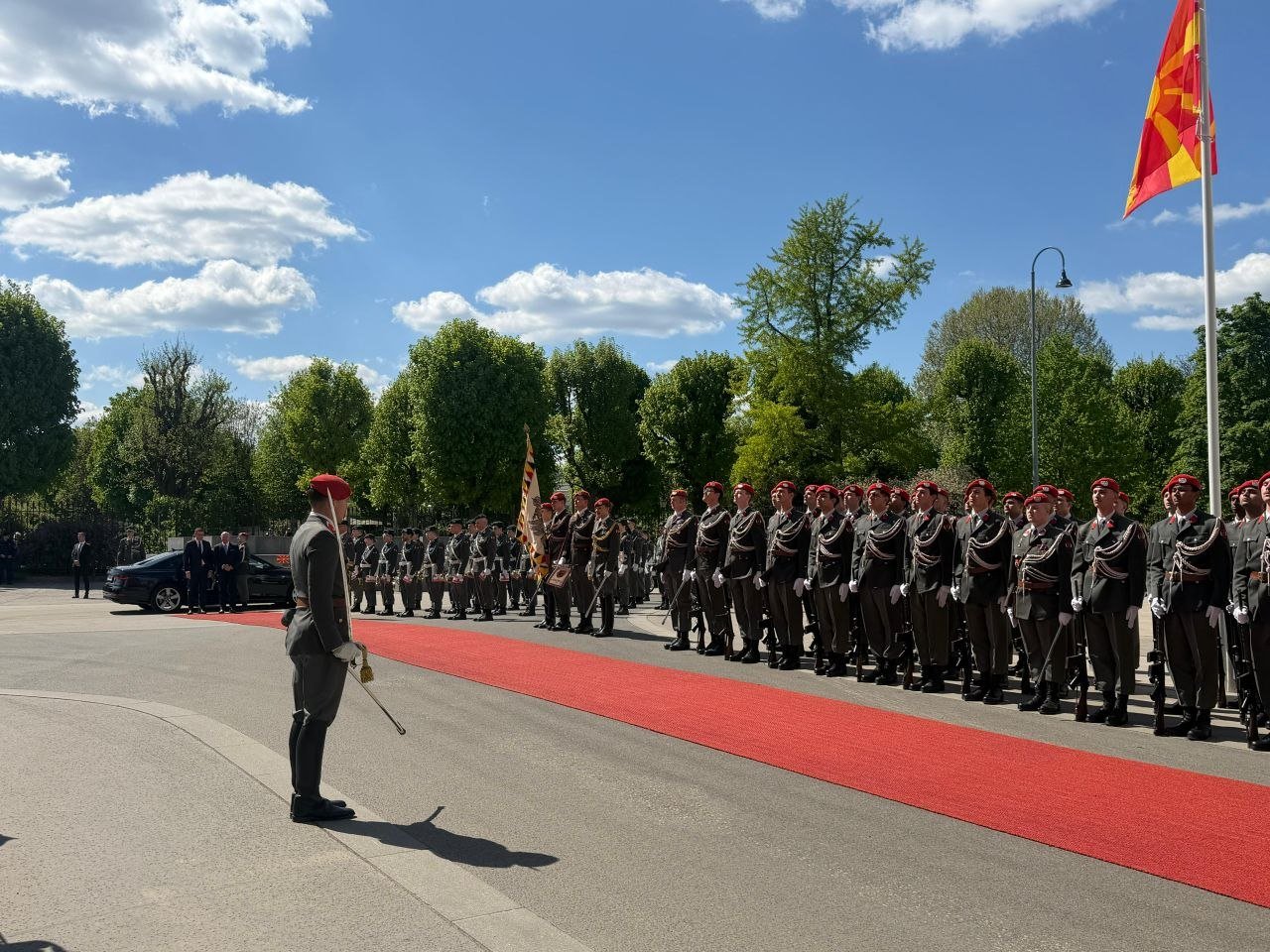
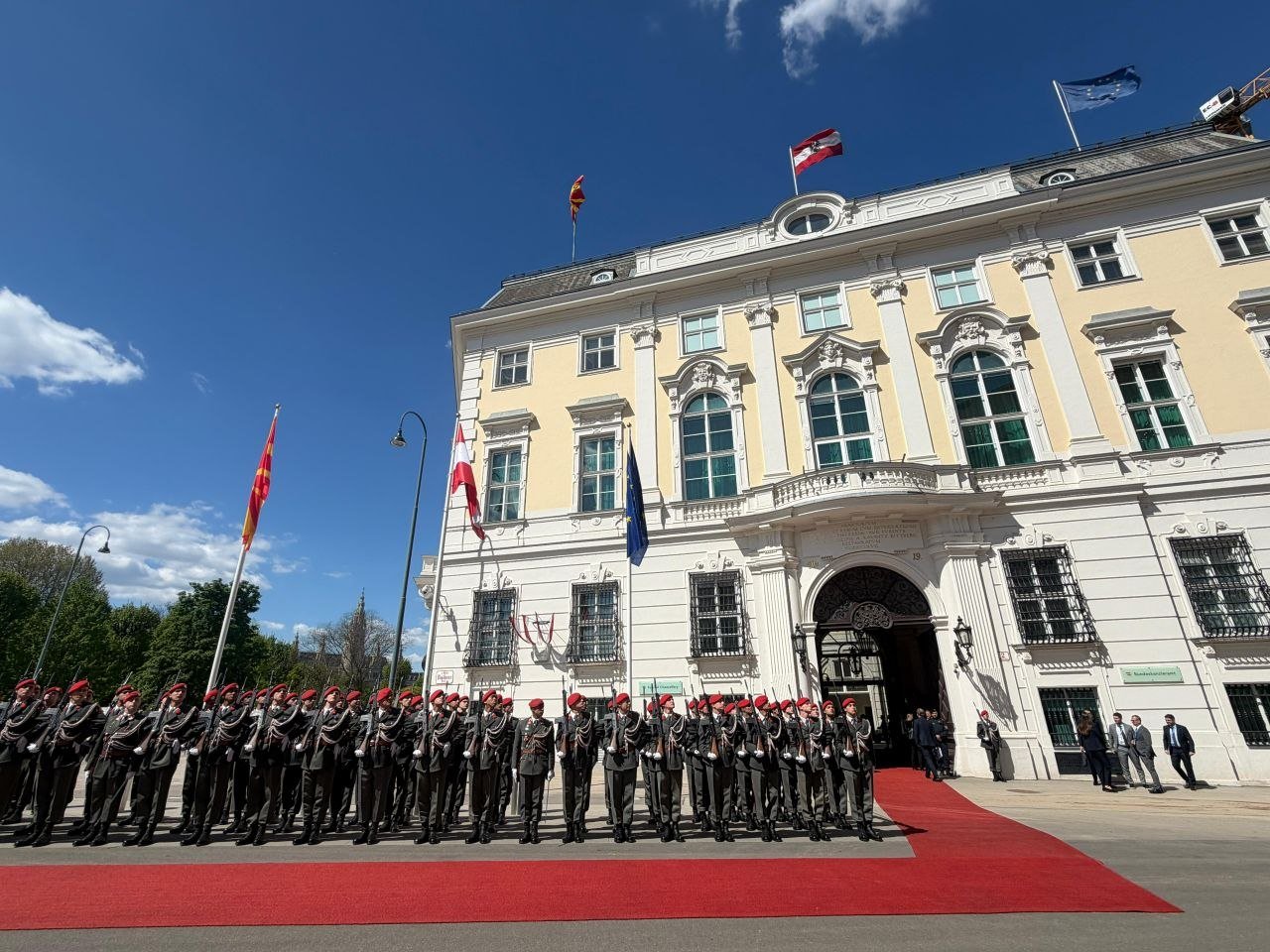
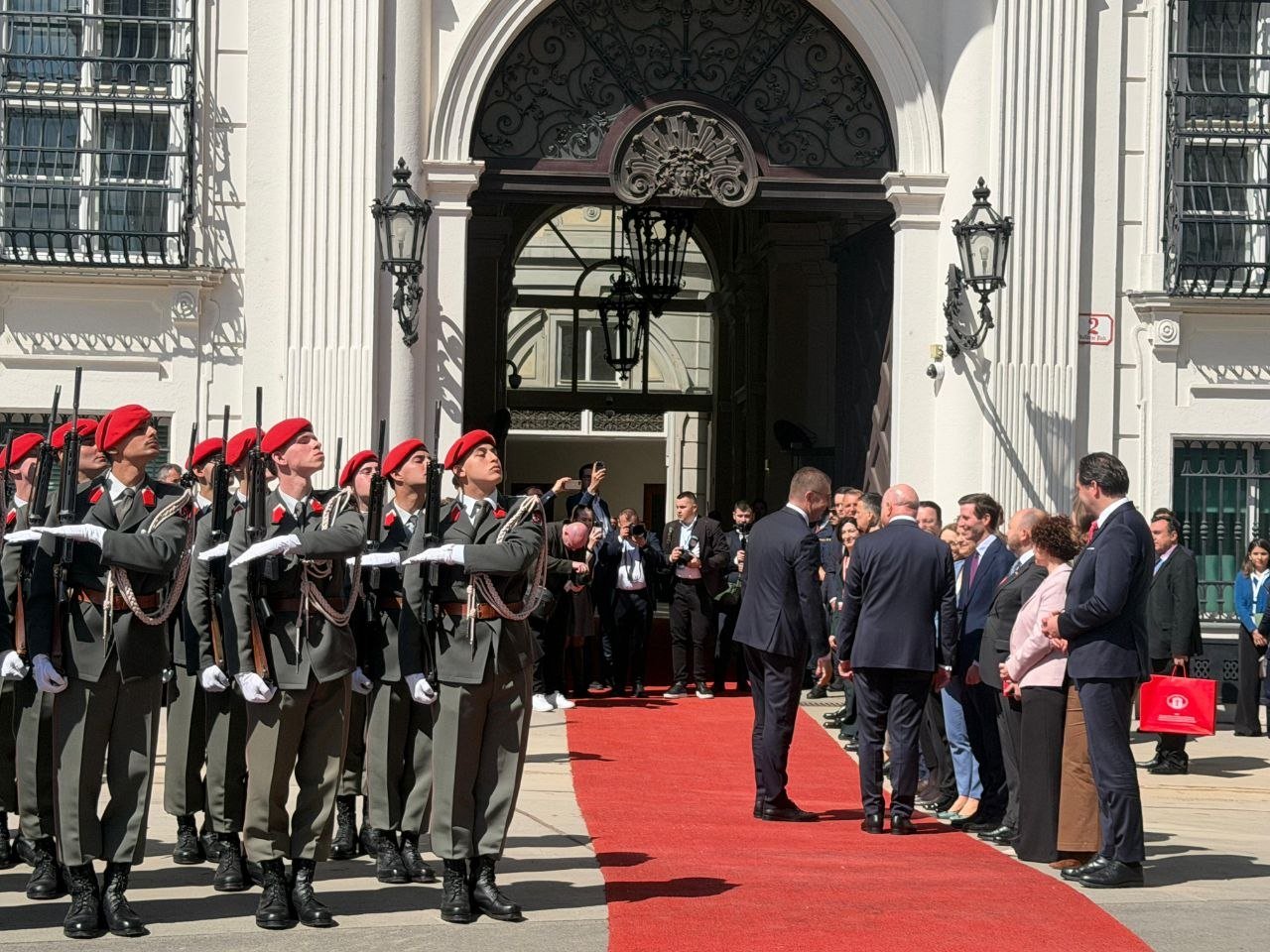
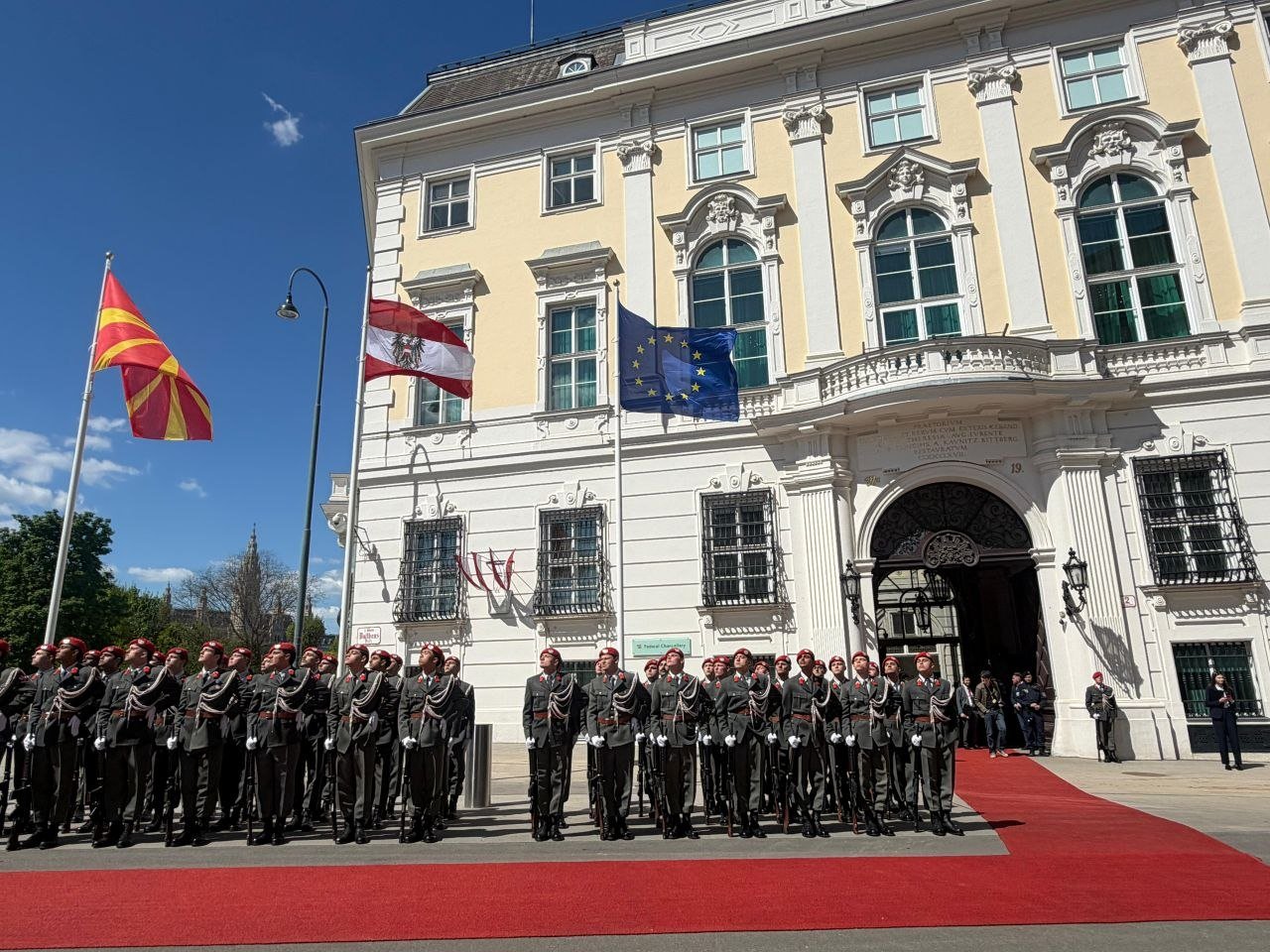
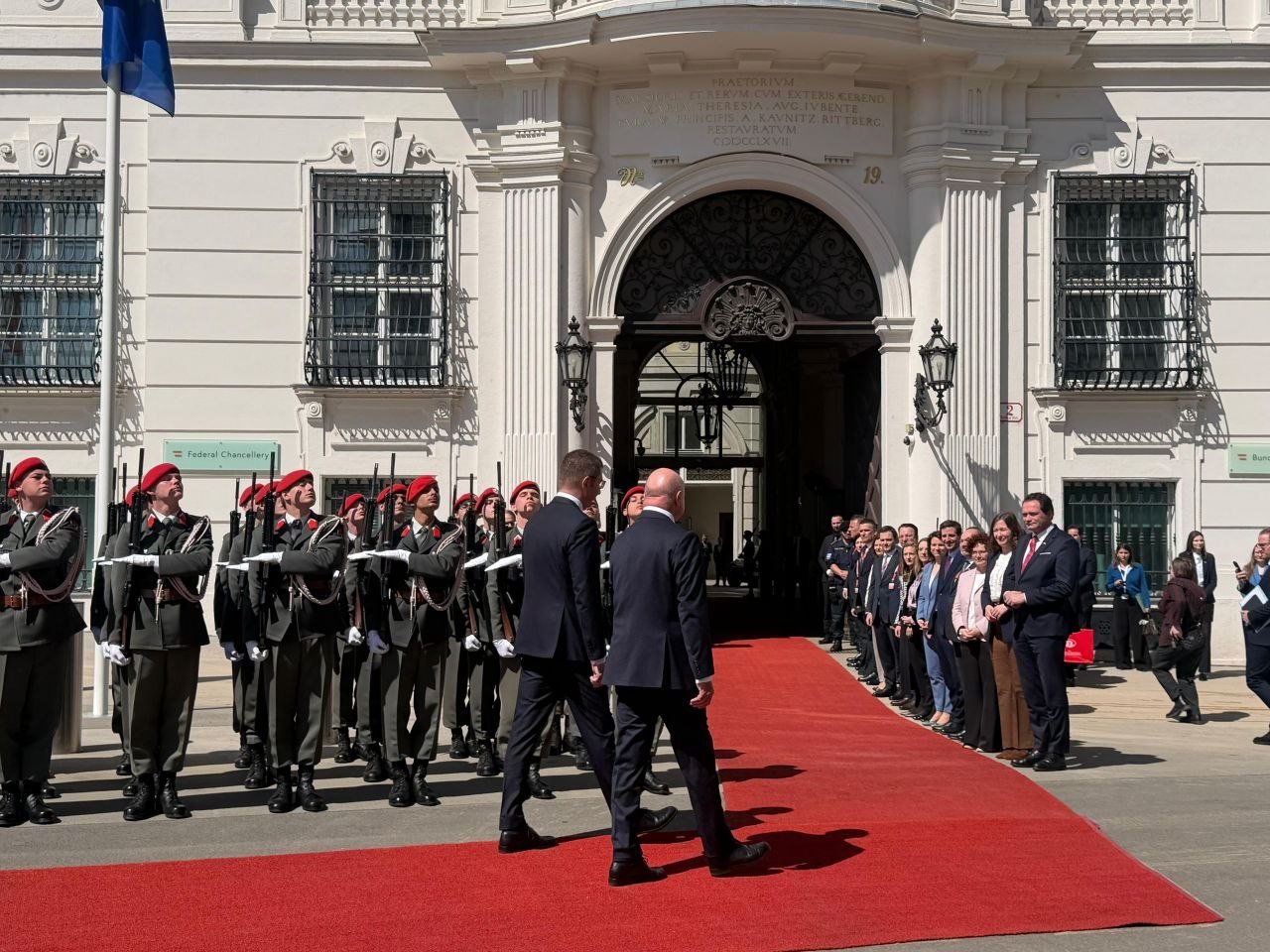
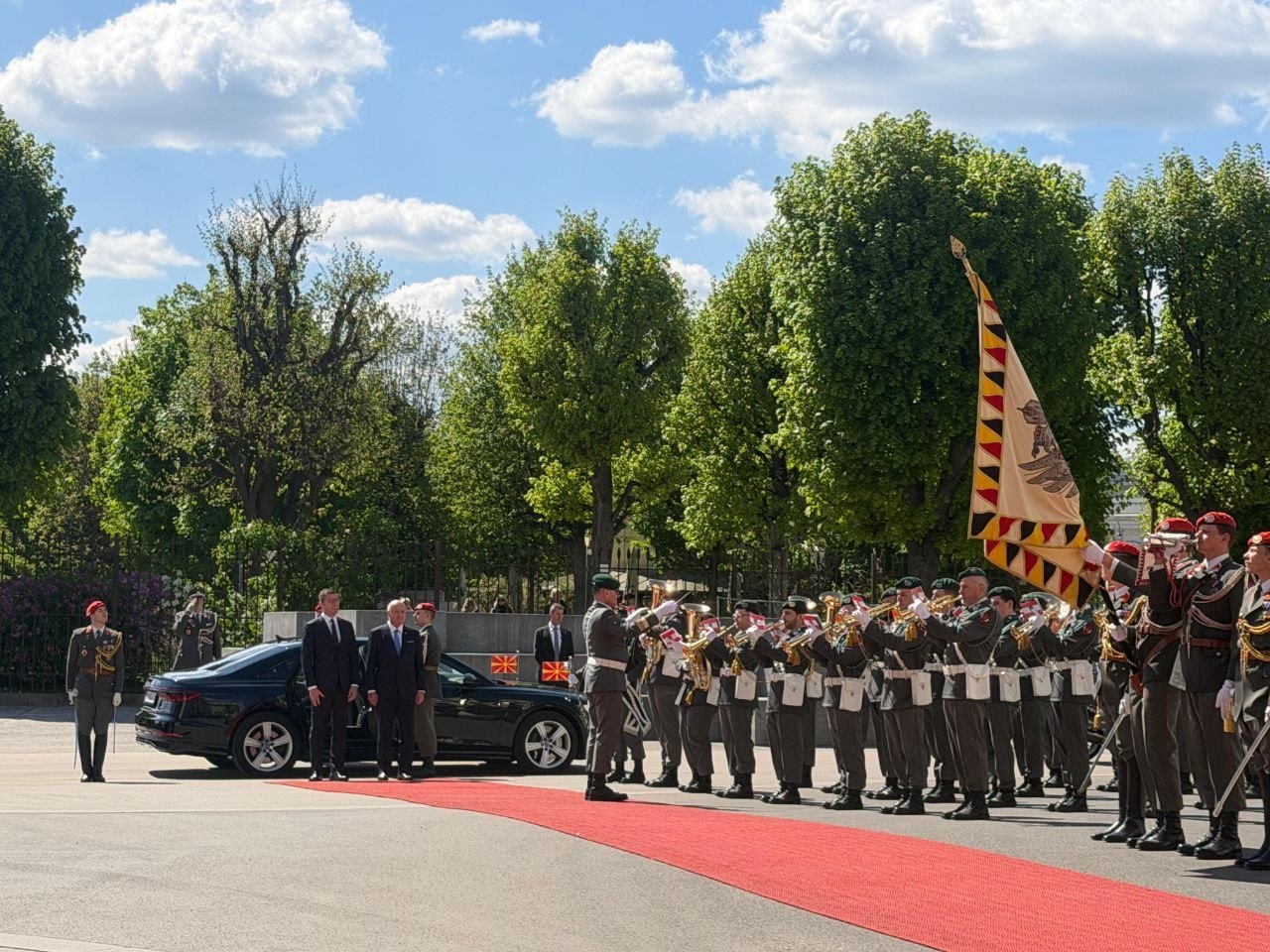
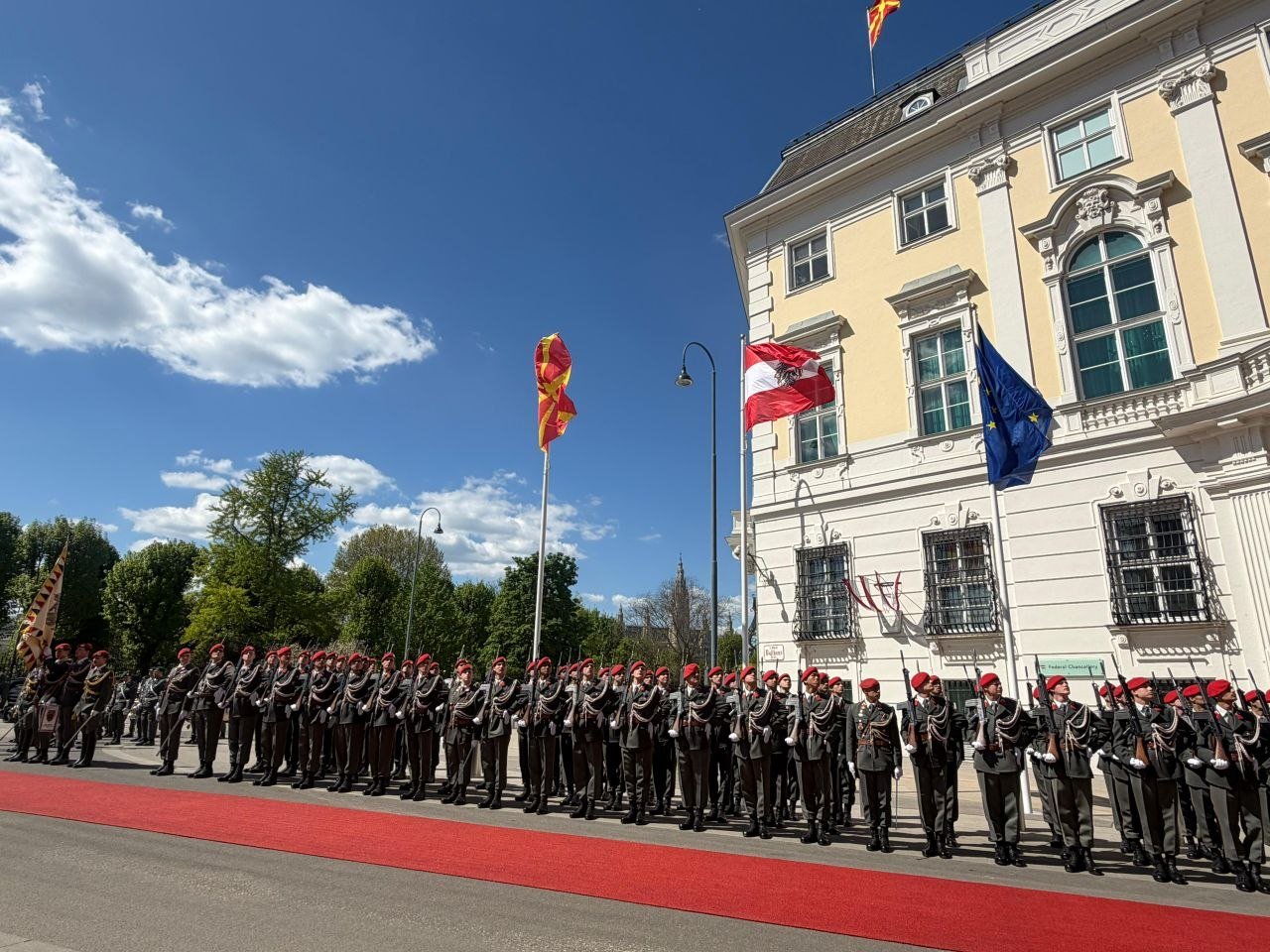
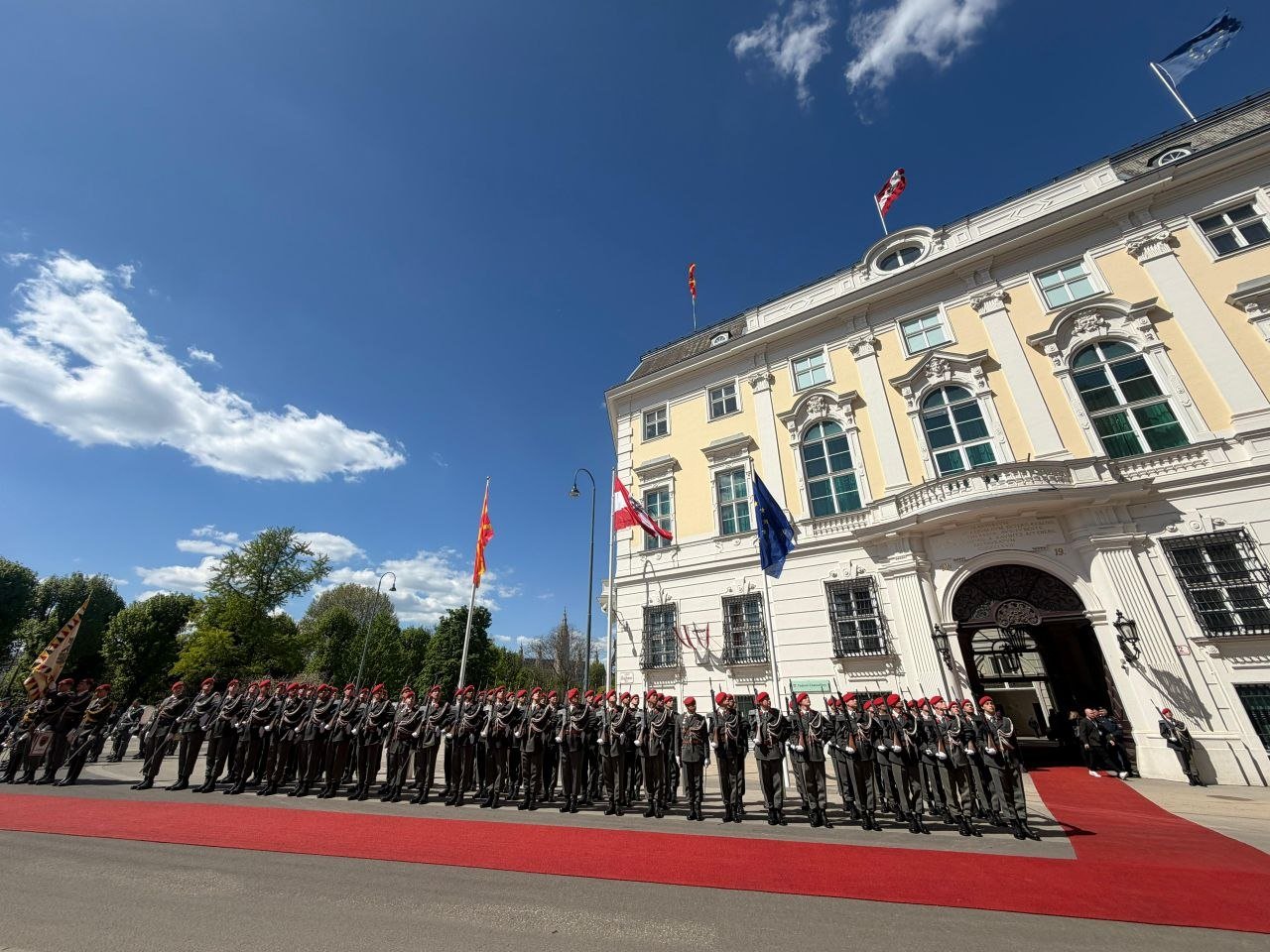
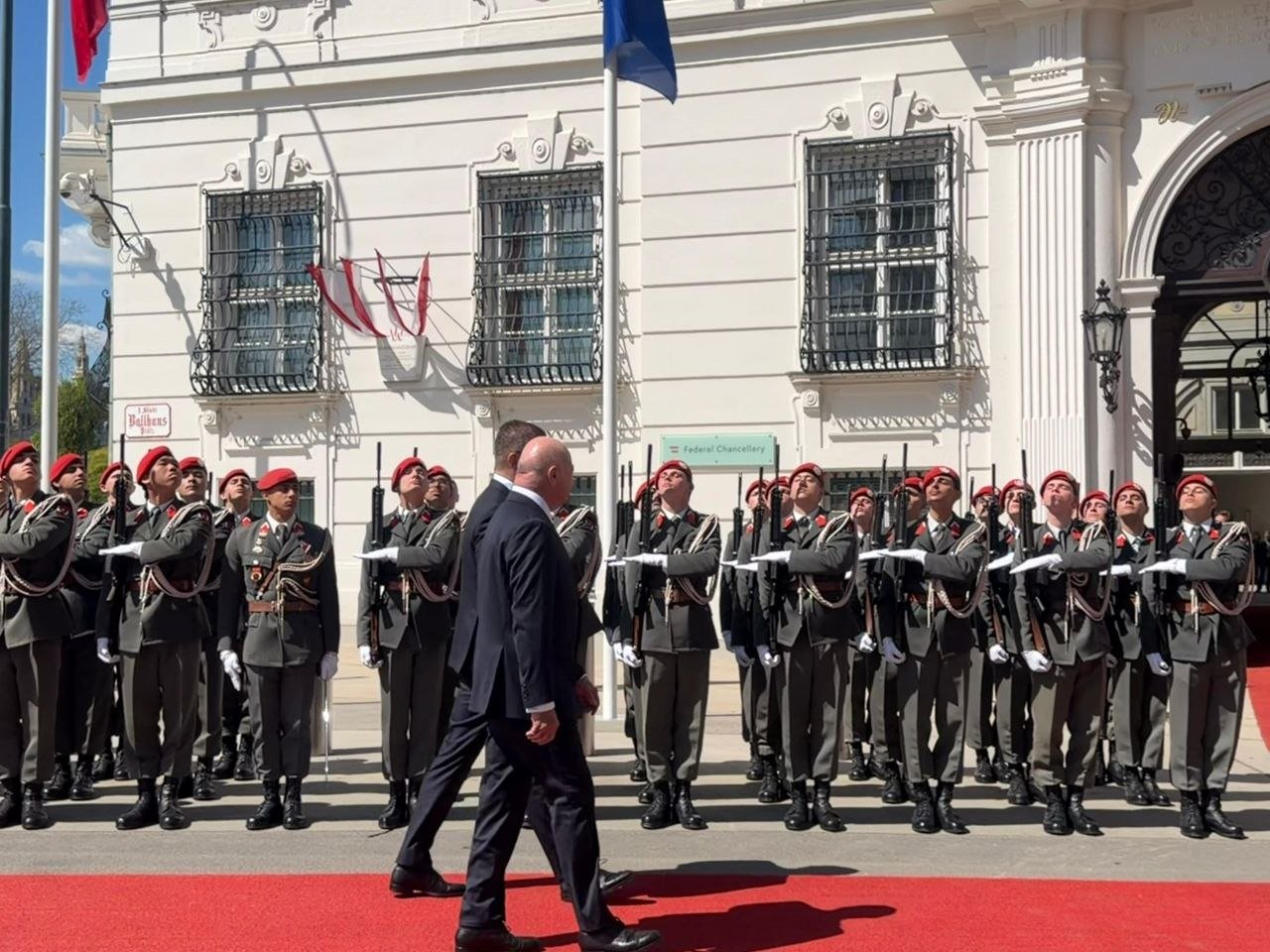
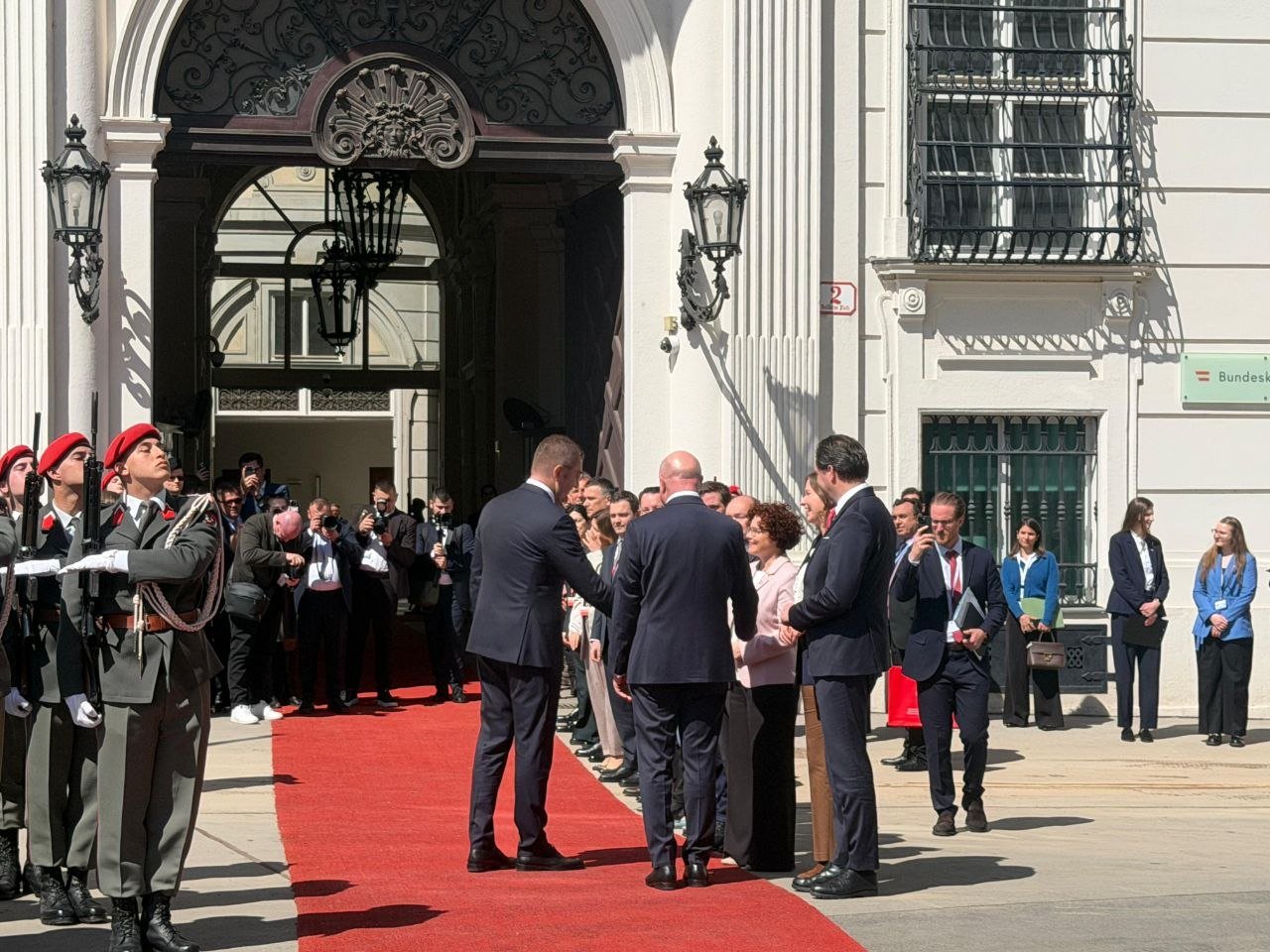
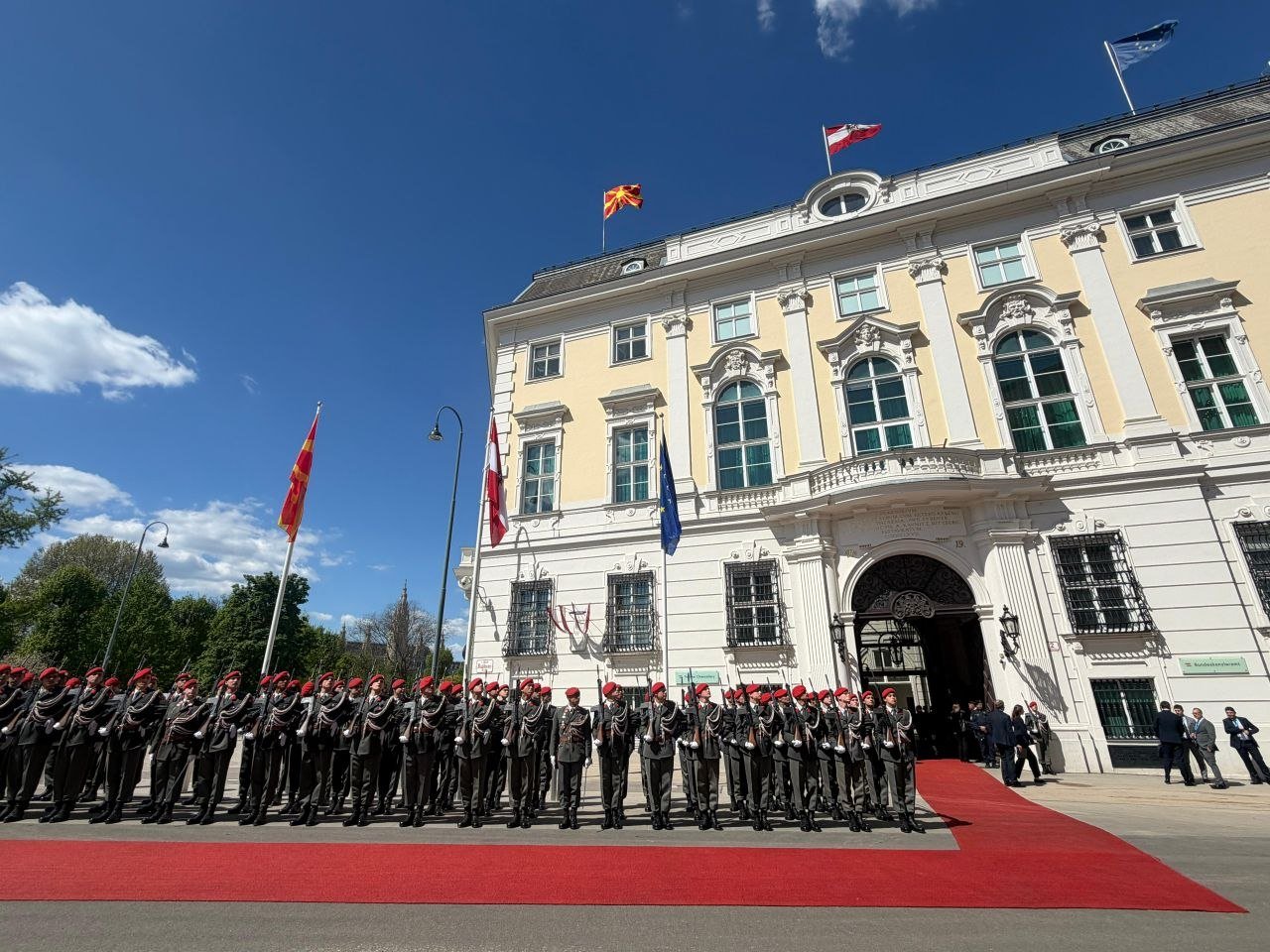
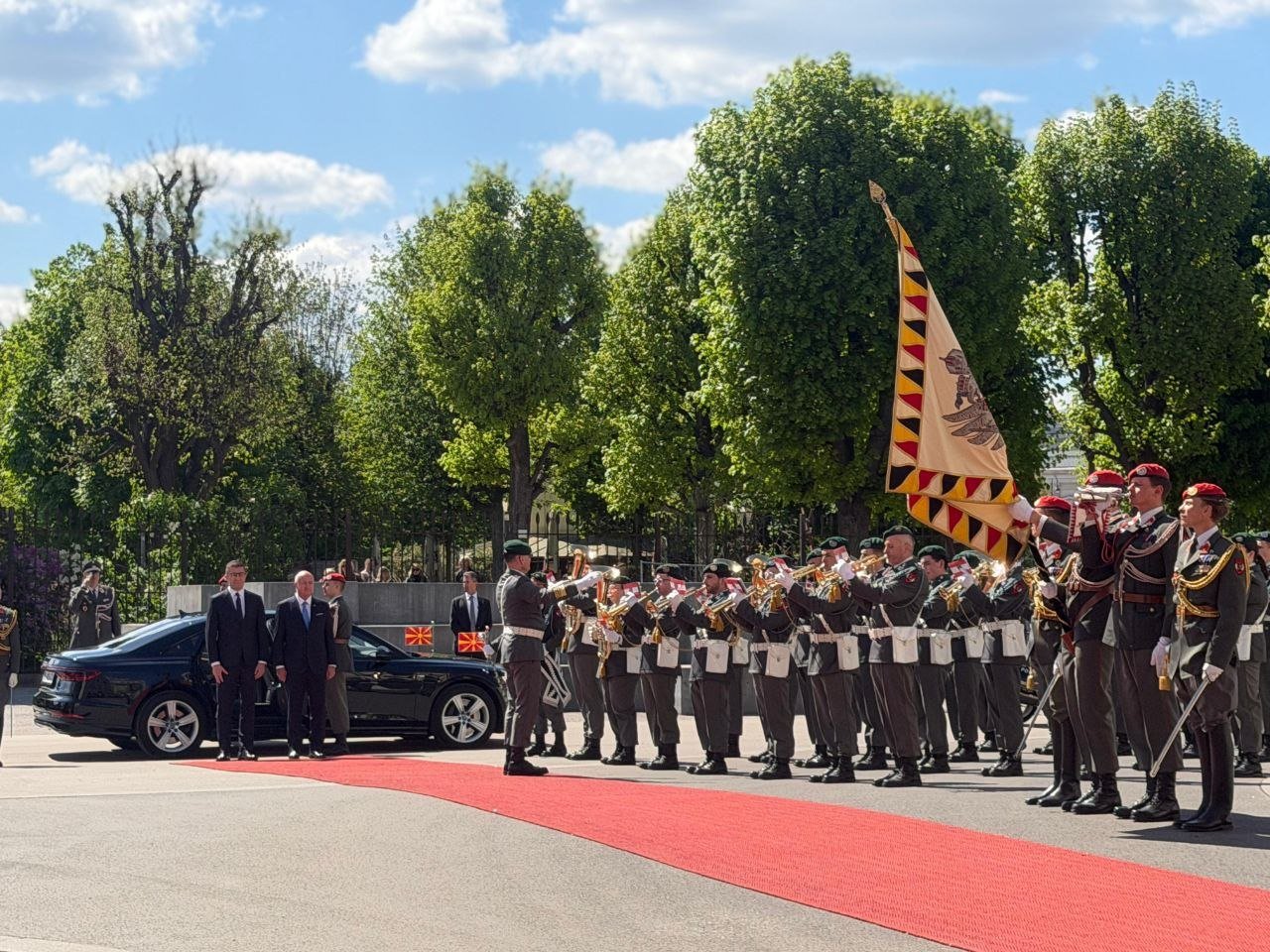
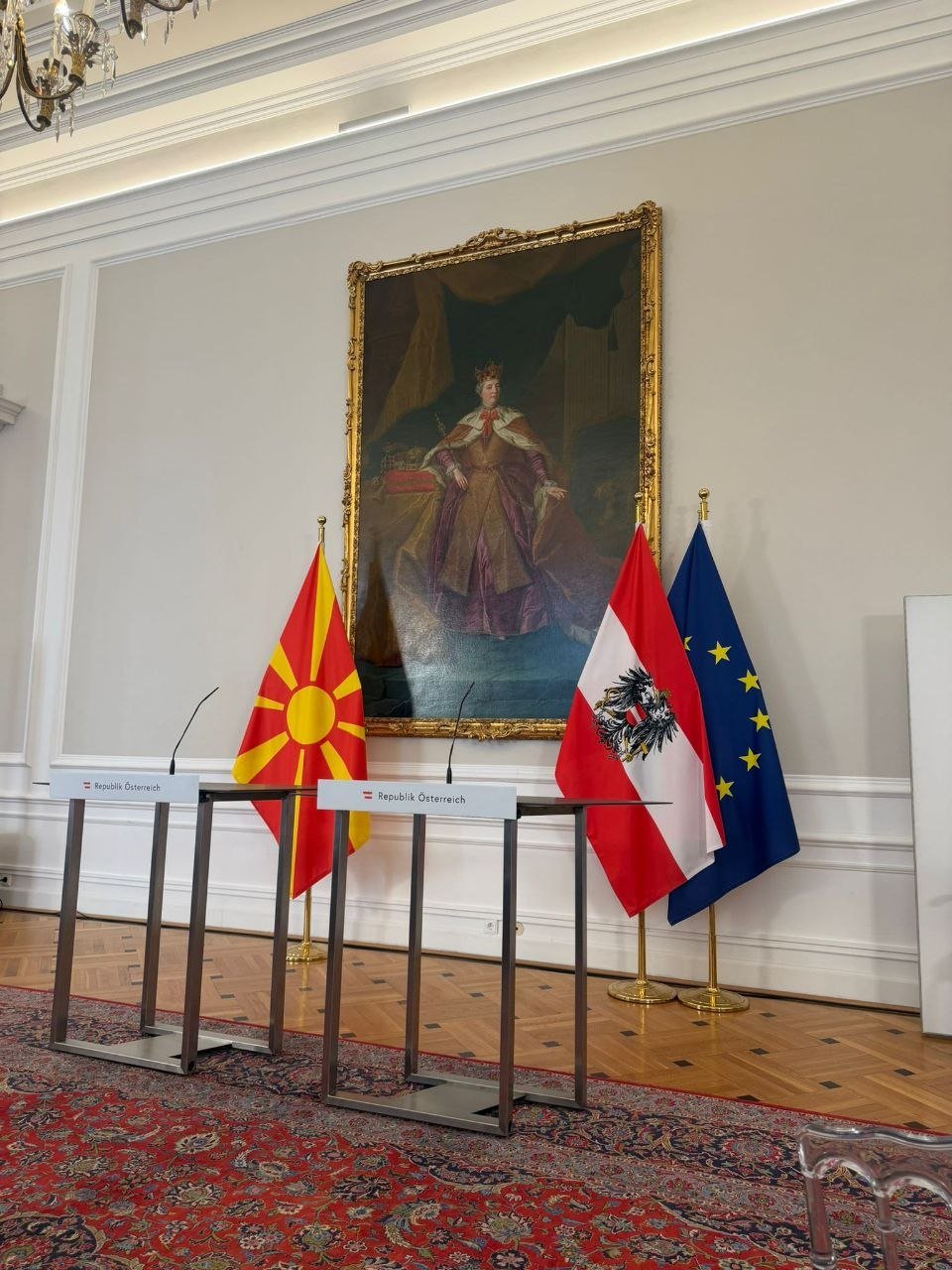
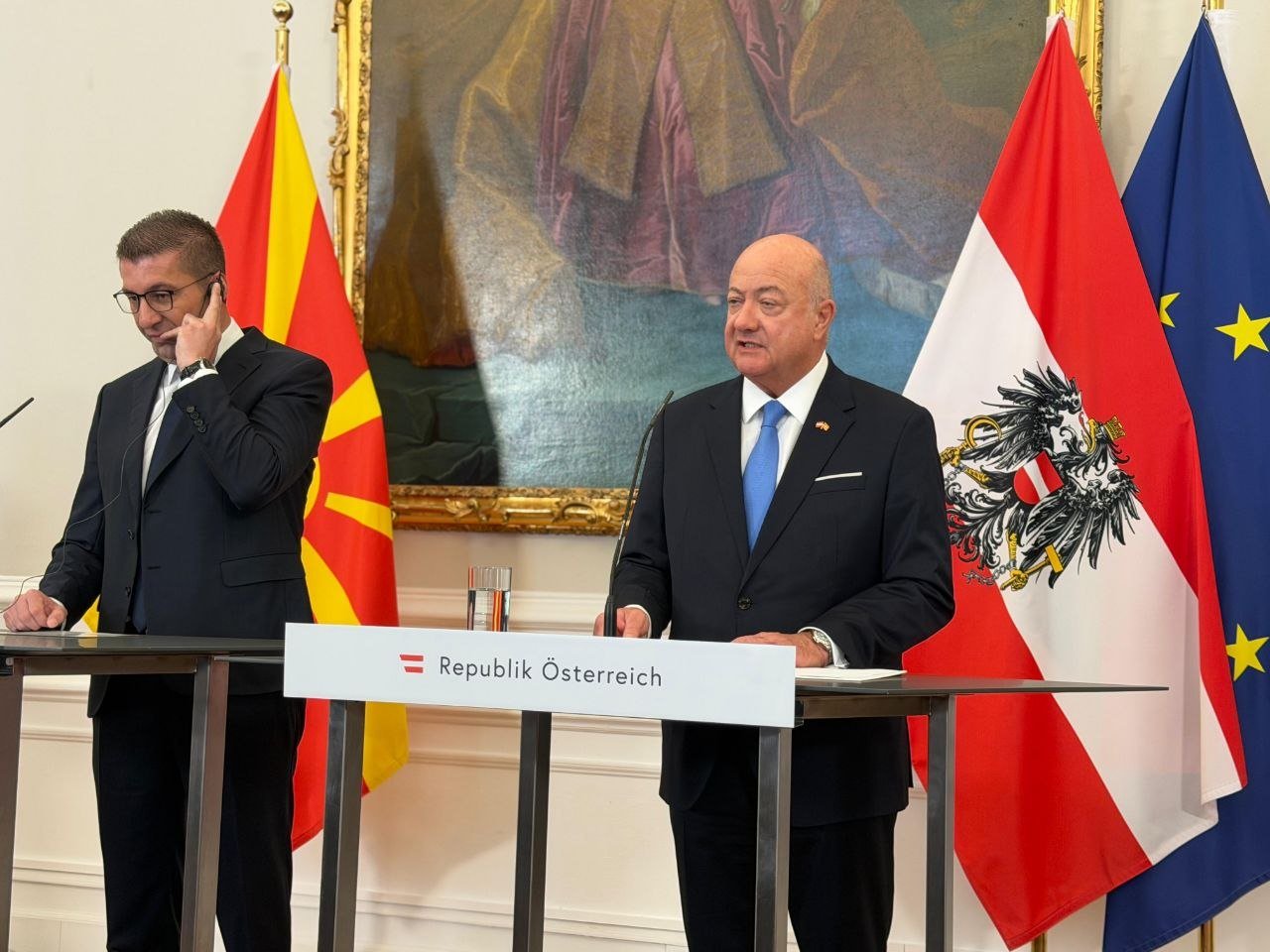
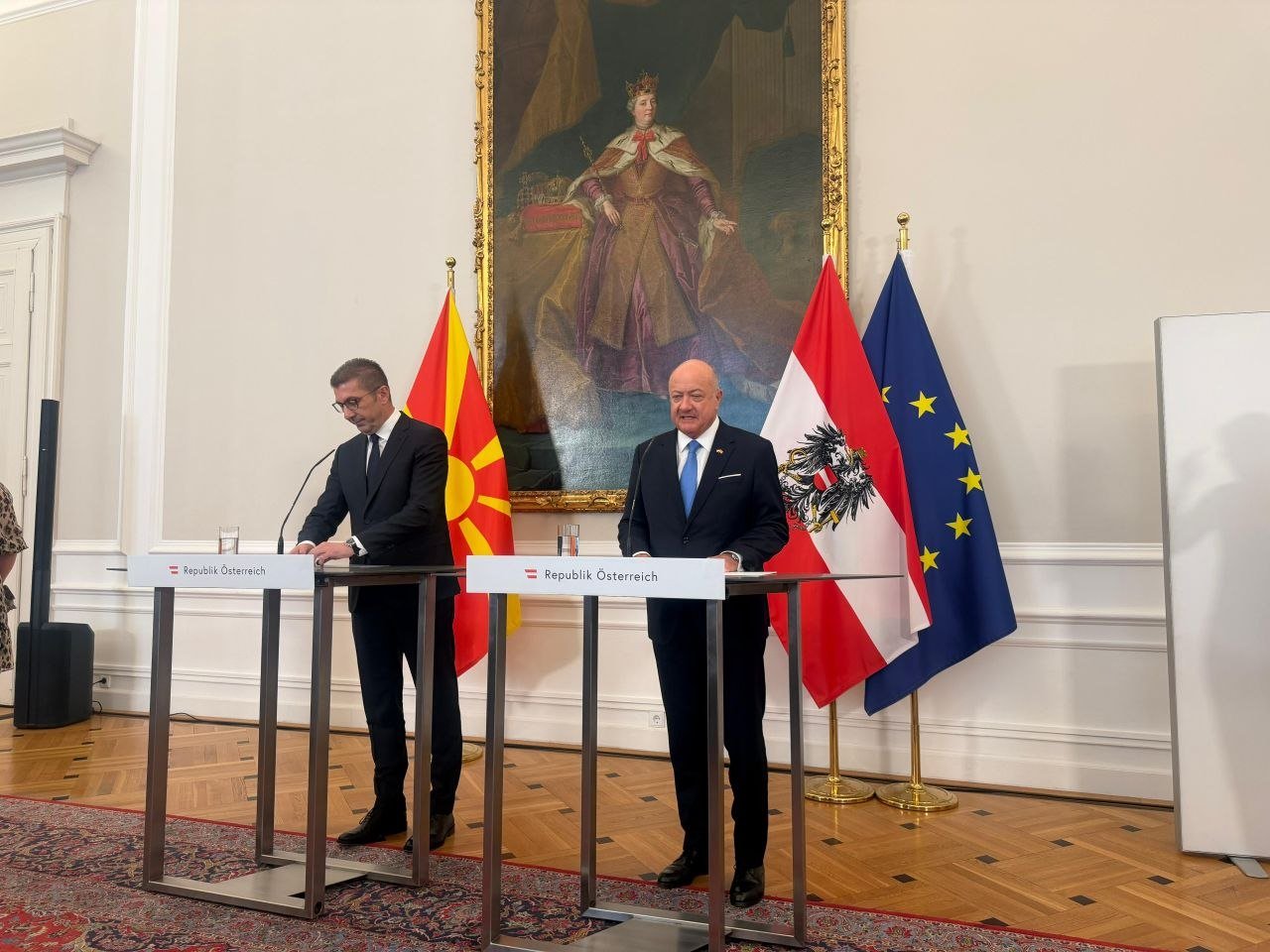
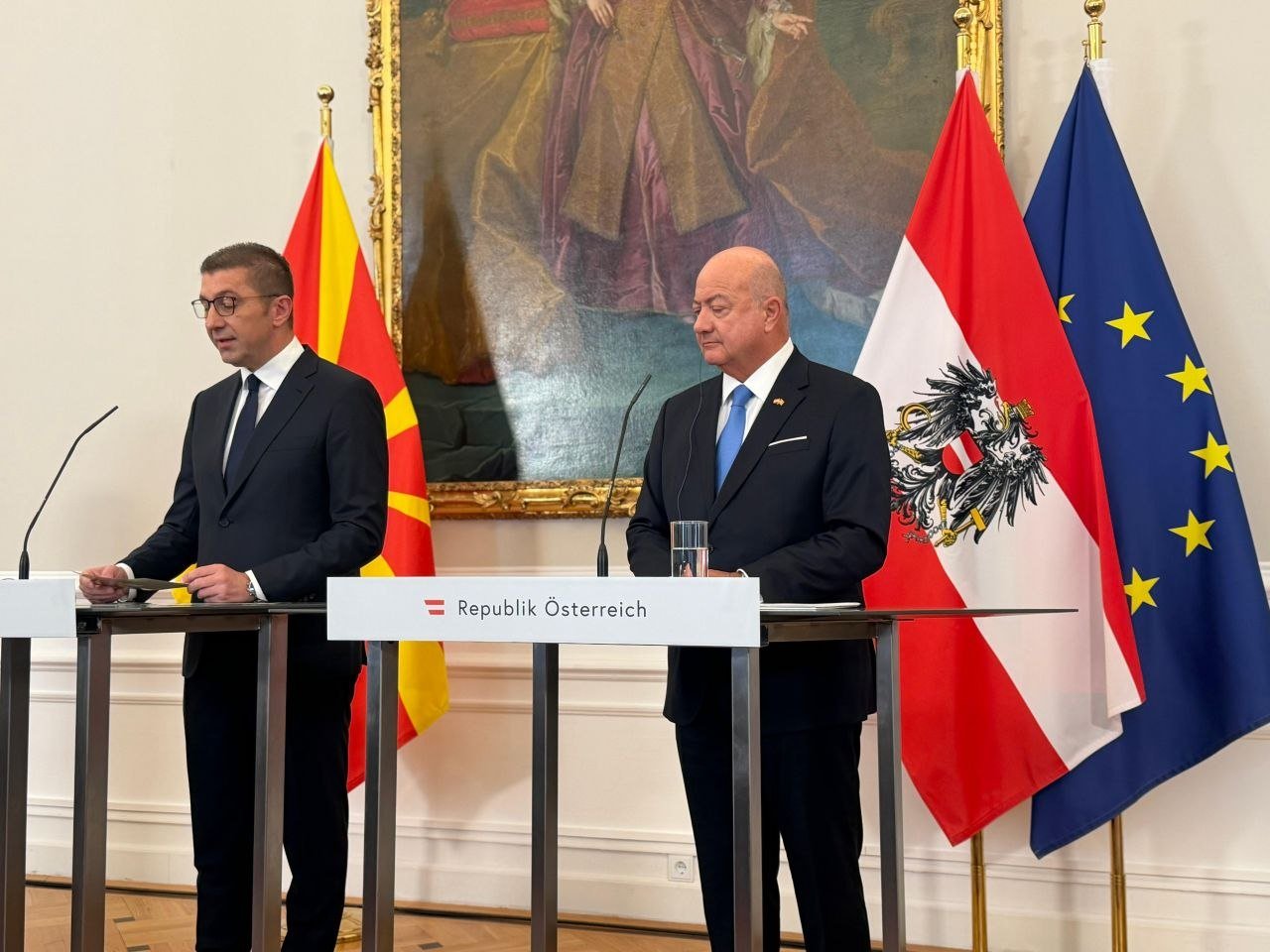
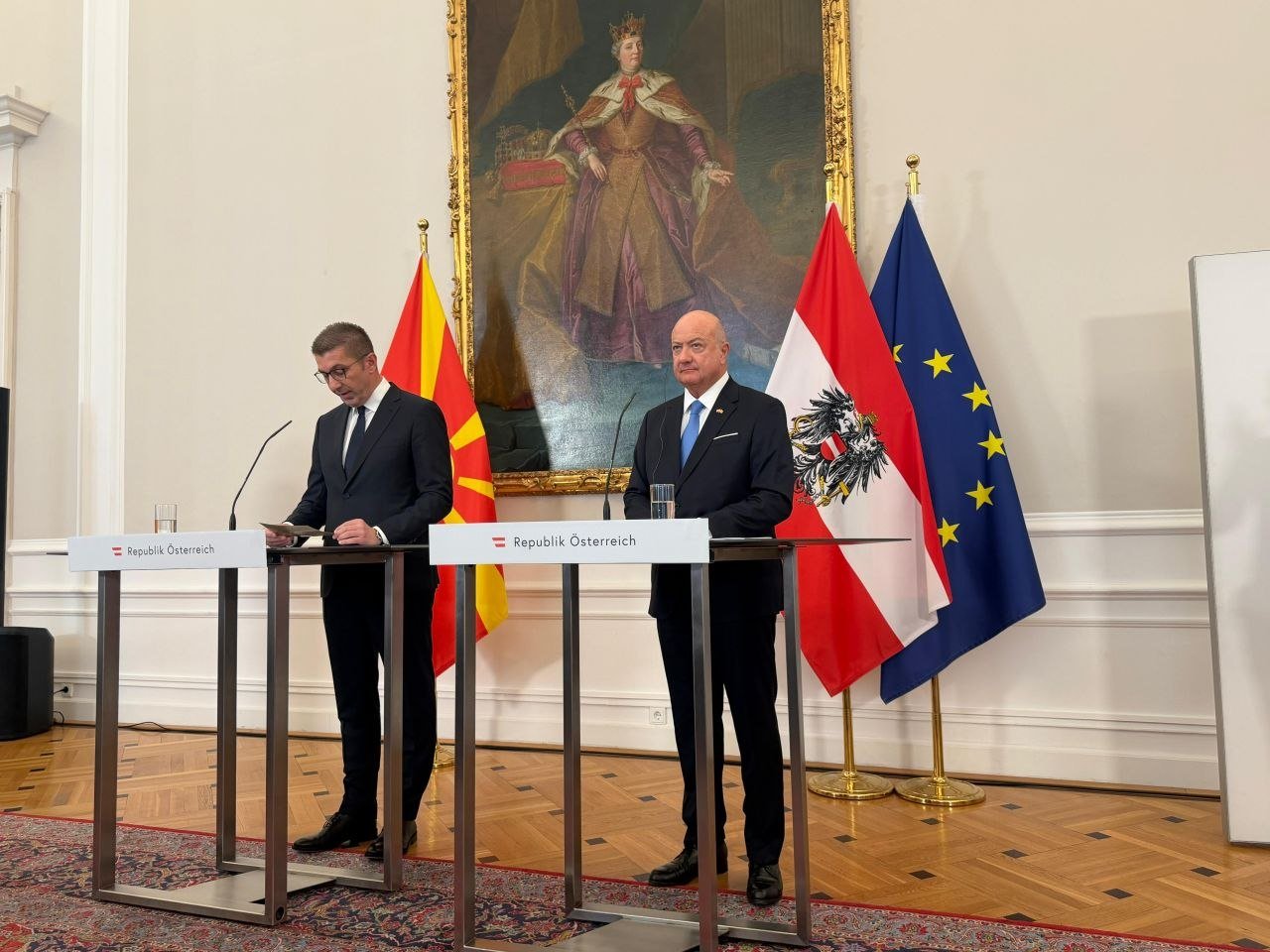
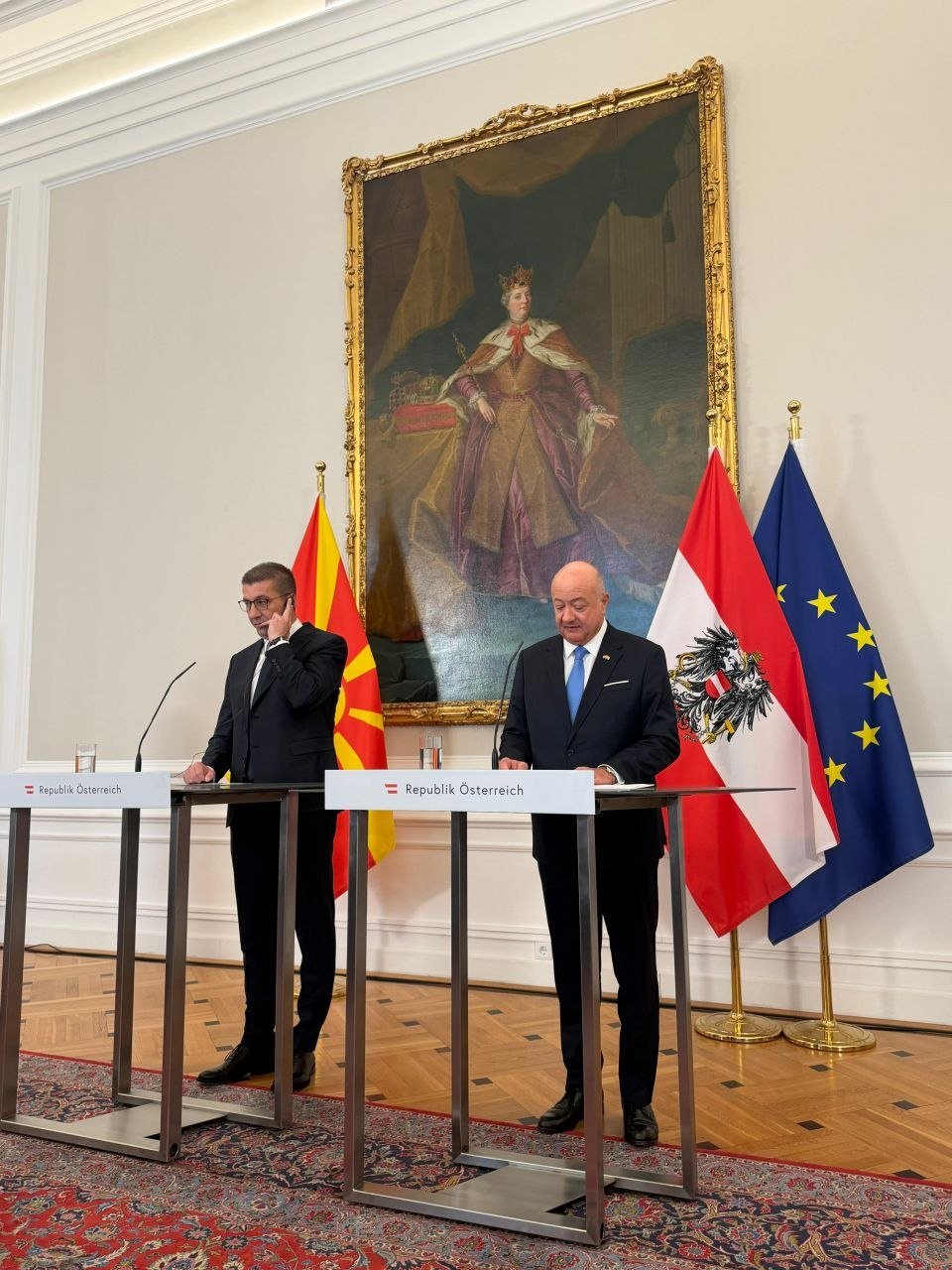
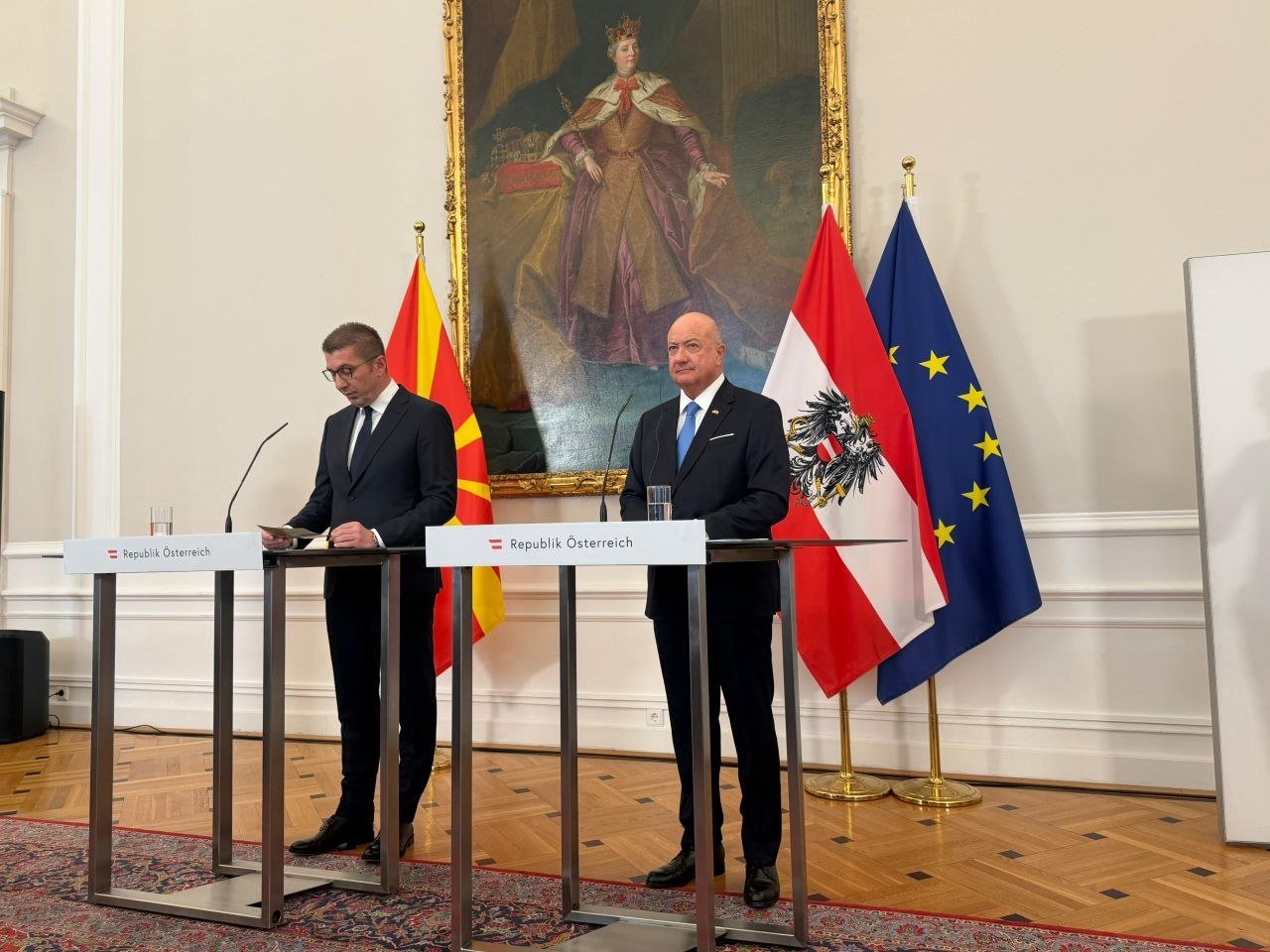
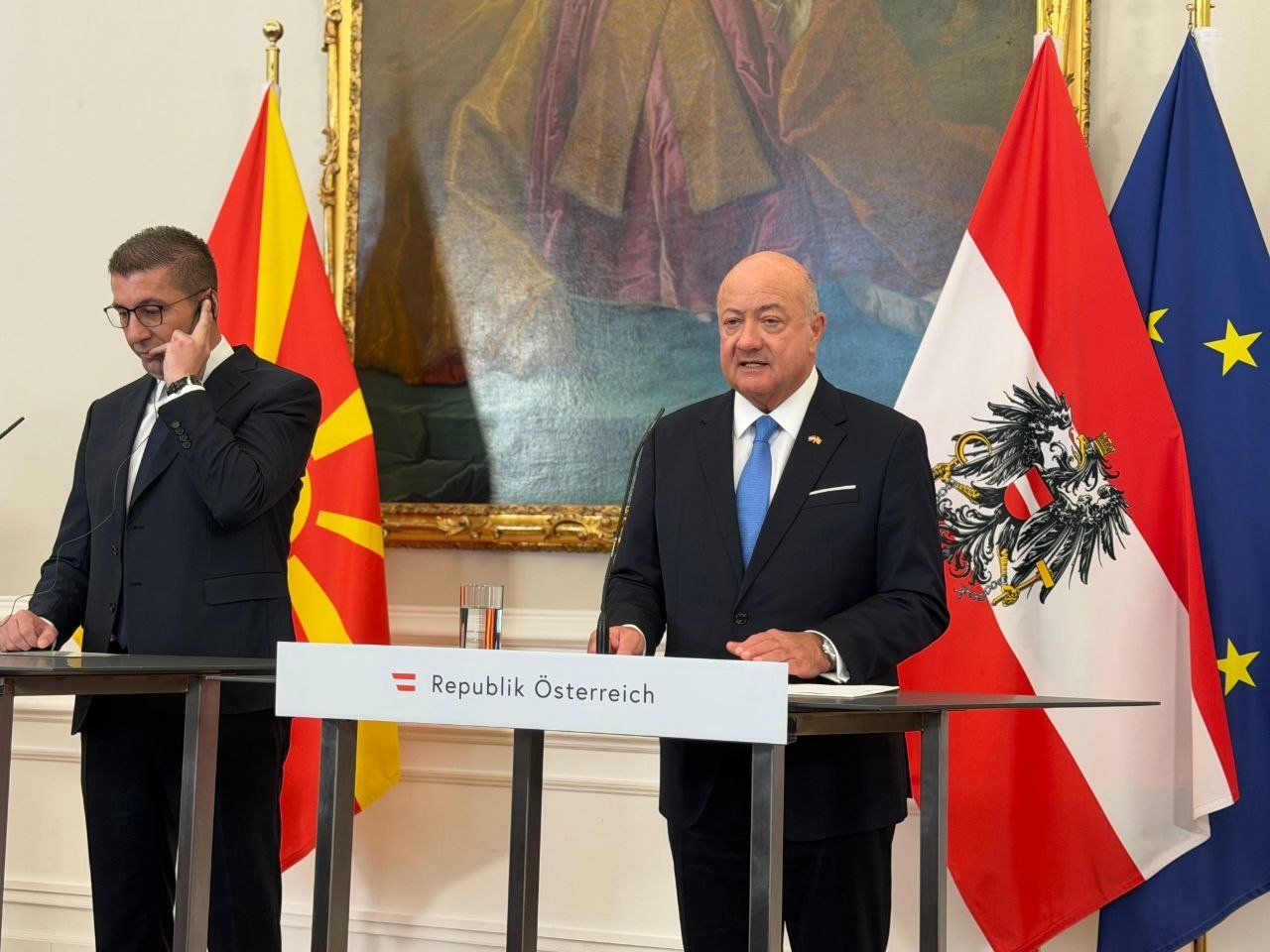
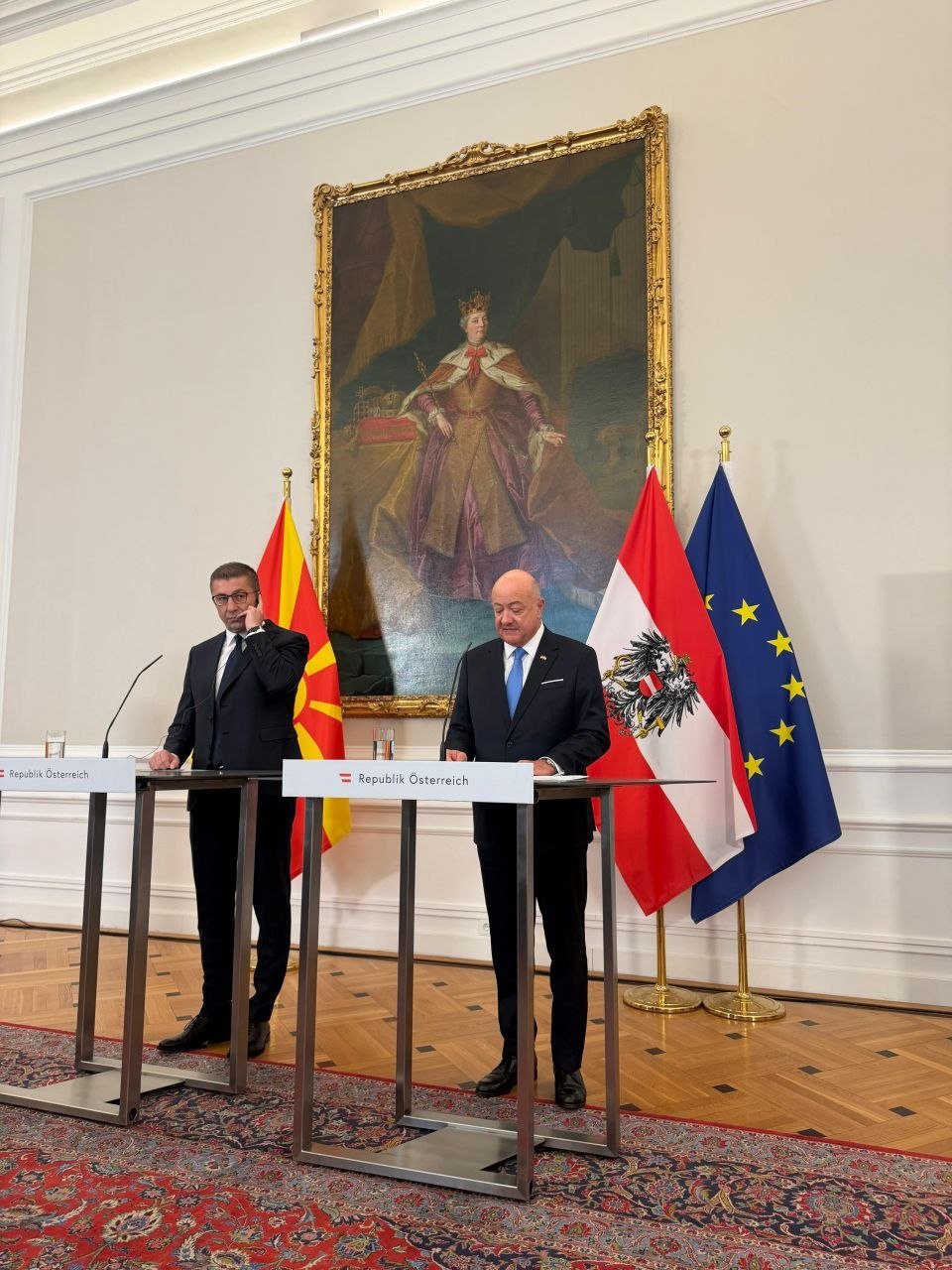
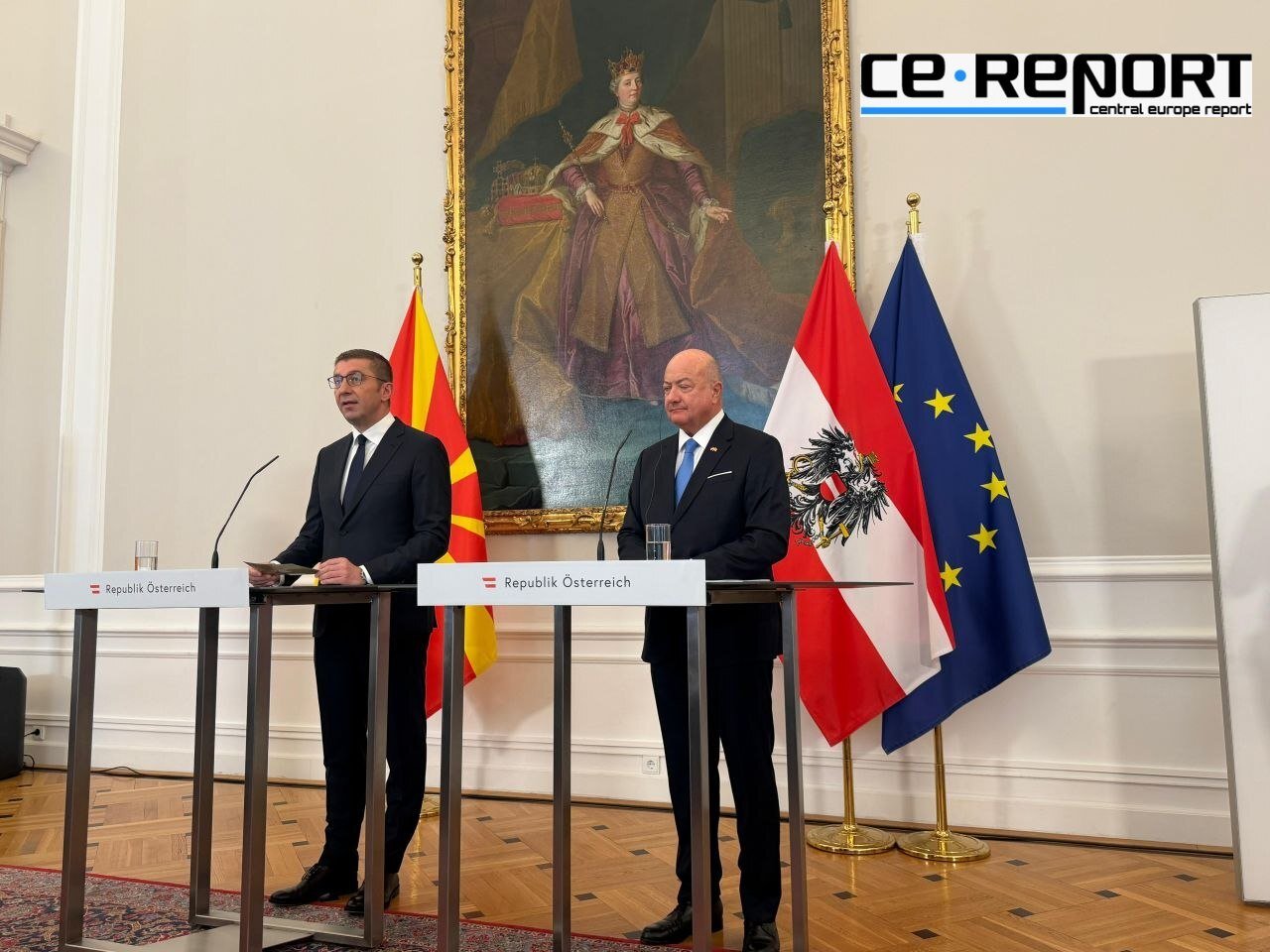
Today's meeting between the Austrian Chancellor Christian Stocker and the Prime Minister of North Macedonia, Hristijan Mickoski, was marked by a comprehensive exchange on bilateral and regional issues. This was followed by a joint press conference highlighting shared priorities.
In his statement, Chancellor Stocker emphasized the importance of good neighbourly relations and reaffirmed Austria's commitment to further strengthening bilateral cooperation with North Macedonia. He highlighted the significant role of the Macedonian diaspora in Austria as a crucial bridge, facilitating economic relations and cultural exchange. A key focus of his remarks was the strategic relevance of the Western Balkans, stressing that stability and peace in the region are essential for the European Union's security.
Stocker also addressed broader geopolitical challenges, particularly the ongoing impact of the Russian invasion of Ukraine, stressing the need for continued European unity. He highlighted migration management as a field requiring enhanced coordination and collaboration, and restated Austria's readiness to collaborate beyond its borders. He underlined that security should be regarded as a shared European responsibility. Furthermore, he restated Austria's firm commitment to EU enlargement, including North Macedonia's accession prospects, and highlighted Austria's strategic interest in enhancing regional connectivity.
Prime Minister Mickoski emphasized the significance of bilateral relations, characterising Austria as a key and dependable partner. He noted that recent energy challenges have tested European resilience and called for enhanced cooperation to ensure long-term energy stability. He also stressed that Europe must pay greater strategic attention to its periphery, particularly the Western Balkans, as an integral part of the continent's future.
In response to questions from the press, Chancellor Stocker addressed the issue of cooperation between the US and the EU on Iran and the crisis in the Strait of Hormuz, highlighting the importance of diplomatic alignment and coordinated international engagement. With regard to North Macedonia's EU candidacy, Prime Minister Mickoski emphasized that ongoing historical disputes are preventing progress and expressed his concern that the country should not be compelled to compromise its national identity in the process.
In terms of the economic dimension, including the outcomes expected from the bilateral business forum, both leaders acknowledged current challenges such as the energy crisis, but also highlighted strong potential in sectors like education, culture, and tourism. Prime Minister Mickoski has stated that ongoing international discussions could contribute to resolving energy-related pressures.
Both sides concluded by reaffirming their commitment to deepening economic cooperation and continuing high-level dialogue on strengthening Austria–North Macedonia relations.
Gallery