European Court orders Slovenia to pay magazine over free speech
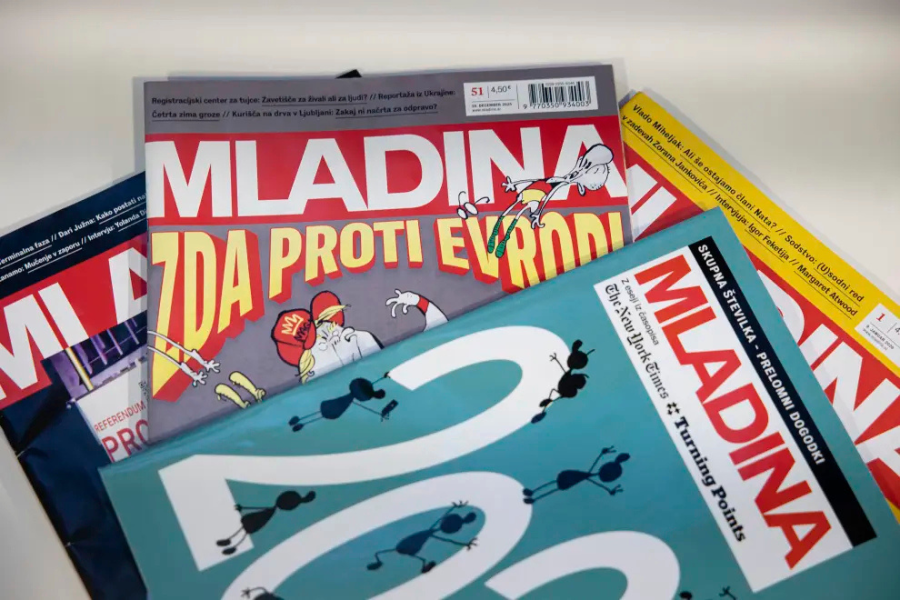
The European Court of Human Rights has ordered Slovenia to pay over €15,000 in damages to the left-wing magazine Mladina for violating its right to the freedom of expression over a photo likening a prominent right-wing politician to Nazi Propaganda Minister Joseph Göbbels.
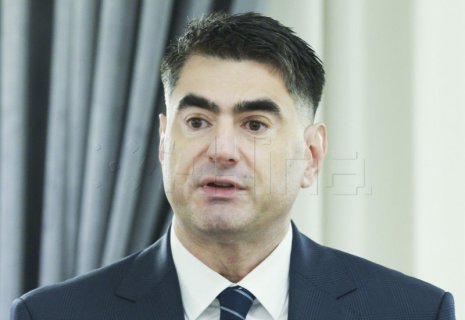
The magazine published a photograph of Branko Grims, a senior member of the opposition Democratic Party (SDS) who now serves as a member of the European Parliament, his wife and three children, along with a photograph of Goebbels and his family, in a piece in its satirical section in March 2011, CE Report quotes The Slovenia Times.
The publication was met with outrage by politicians on both sides of the aisle, and Grims and his family sued Mladina for defamation. After a series of judgements, appeals at various courts, and repeat proceedings, Mladina had to pay Grims €3,000 in damages and publish an apology. Grims's children were awarded €14,000 in separate proceedings and the magazine also reached a compensation settlement with his wife.
Mladina turned to the European court, which has now decided that Slovenian courts had violated the right to freedom of expression in their decisions. It ordered Slovenia to pay Mladina €5,250 in respect of pecuniary damage and €10,000 in respect of costs and expenses.
Comparison of methods
The Strasbourg held that Slovenian courts had recognised the piece and text accompanying the photographs as well as a follow-up editorial addressed political issues, specifically a comparison of political methods, and thus contributed to a debate of public interest.
It noted Mladina's argument that Grims himself had exposed his family to the media in a political context, and that the magazine's criticism was tied to the political methods he used when presenting his family to gain political support.
The comparison with Goebbels was used to criticise political methods reminiscent of the Nazi regime employed by the SDS party, including Grims, such as deliberately bringing his family into political discourse.
The court found the photo comparison highly provocative but not without factual basis, and rejected the claim that an average Mladina reader would not understand the political context or broader message. It stressed that journalistic freedom allows some exaggeration or provocation.
The ECHR concluded that Slovenian courts failed to sufficiently consider the broader context of the publication and did not convincingly show that Grims's reputation should be protected over Mladina's freedom of expression.
Not everyone can be labelled Nazi
Responding to the ruling, Mladina editor-in-chief Grega Repovž described it as an important victory for Slovenian journalism and society.
He said this was the second time in 15 years that the Strasbourg court had found that "Slovenian courts did not faithfully balance the rights at stake, particularly the right to freedom of expression".
He argued that Slovenian courts overprotected politicians while failing to critically assess the far right and its activities. He said hate speech, which the Slovenian courts failed to recognise at the time, had since spread dramatically.
However, Repovž and Jasna Zakonjšek, Mladina's lawyer in the case, said the ruling did not mean anyone could be simply labelled a Nazi. But in a democracy one can, including through satire, confront a politician who uses similar methods and criticise them on that basis.
Zakonjšek said Slovenian courts had taken the position as if the piece had been published in a vacuum, without any context.
Grims finds ruling shameful
Meanwhile, Grims finds the European court delivered a political rather than a legal decision. "Those at the European Court of Human Rights who adopted it did so to the shame of their institution," he said.
He says he has always been opposed to Nazism and fascism, as well as to socialism and communism. The contentious publication in Mladina had negative consequences for his children, who were still underage at the time, he said. Their peers "beat them up and bullied them" because of it.
In his opinion, the latest judgement allows "slime to be thrown at those who are not Marxists" and the judges gave "the green light to attack children and families".
Challenged by a journalist whether he had considered that his use of hate speech in his political speeches, for example, about the Roma, might have caused suffering to minors in that community, he rejected the legal existence of hate speech.
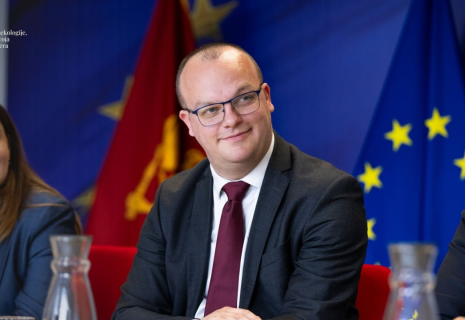
Photo: Katja Kodba/STA