Monica Bellucci explores generational conflict in Giovanni Tortorici’s ‘Ketticé’
Being 16 in Palermo in 2012 meant scooters and slot machines, rap music, football, and virtually no meaningful dialogue with adults at school or at home. This is Giulio’s life before he meets Ketty, with whom he develops a friendship that becomes almost a form of mutual protection in Giovanni Tortorici’s film Ketticé.
The film is the second feature by the Palermo-born director, born in 1996, and stars Salvatore Gallina and Rachele Testagrossa, with a special appearance by Monica Bellucci, CE Report quotes ANSA.
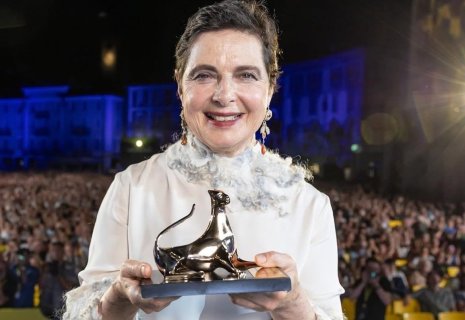
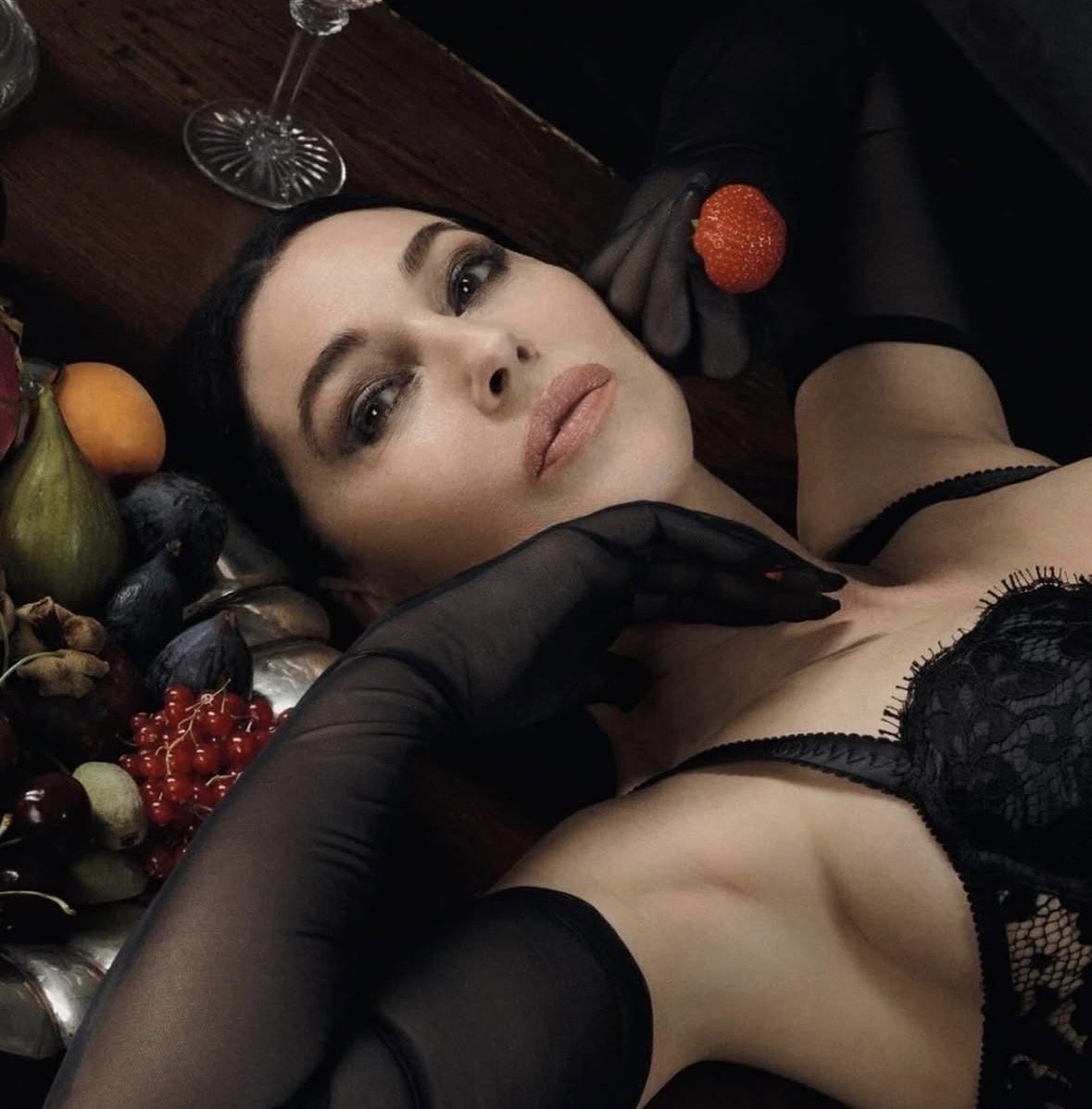
Bellucci plays Giulio’s mother in the film, which is competing at the Locarno Film Festival, describing it as “an interesting role, something new for me.”
She said working with Tortorici was a wonderful experience, describing him as young but confident and someone who knows exactly what he wants.
After his debut feature Diciannove, Bellucci said Tortorici once again demonstrates his talent as a filmmaker. She also praised the young actors for the natural quality of their performances and the emotion they bring to the film.
Bellucci described her character as a mother whose unhappiness is concealed behind her perception of a family and society in decline. She constantly tells Giulio to study or read, but with virtually no success.
According to Bellucci, the mother is trapped by her social role and tries to cope with her frustration by eating snacks in front of the television. Instead of communicating, she shouts, creating constant conflict with her son and a relationship marked by mutual humiliation and an inability to communicate.
“What emerges is a generation of adults that doesn’t understand young people,” Bellucci said.
On screen, Bellucci portrays a neglected woman who has stopped taking care of herself. Her character is overwhelmed by sadness and anger and finds herself trapped by social expectations and culture. The film also includes tragicomic moments, including one scene in which she picks up a knife but fails to frighten anyone.
Asked about her relationship with her daughter, model and actress Deva Cassel, Bellucci joked that she certainly does not shout at her in the same way.
She added that playing characters whose lives are very different from her own is particularly interesting. Although she sometimes feels like exploding as a mother, Bellucci said she restrains herself because she believes calmness is the best way to maintain dialogue.
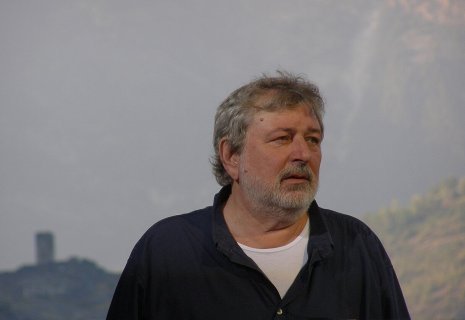
Director Giovanni Tortorici said the youth culture portrayed in the film reflects the period of Berlusconism in Italy. He explained that the social ideals embraced by some younger people in later years were largely absent at the time.
Tortorici also explored youth in his first film, Diciannove, but said that film contained much more silence, while Ketticé is a more ensemble-driven work that allowed him to explore a broader range of themes.
In particular, the new film more clearly examines the power exercised over teenagers by institutions such as school, family and the state.
The casting of the young protagonists followed extensive street casting in Palermo. Tortorici said working with non-professional actors gave the film a different sense of freshness. The production team visited schools throughout Palermo and auditioned numerous young people before choosing the lead actors.
The film, which counts filmmaker Luca Guadagnino among its producers, also features Tortorici’s real-life grandmother. She appears during a formal family lunch in which she questions Giulio and treats her daughter-in-law harshly.
The director said he wanted the scene to demonstrate how the exercise of power can extend across generations.
Tortorici joked that his grandmother, now 93, appeared to have been waiting for the opportunity her entire life. He said her real personality is fairly similar to her character, although she occasionally tried to improvise kinder lines toward her daughter-in-law, which he had to cut.
The young actors also contributed through improvisation, particularly Testagrossa, who introduced expressions from the Palermo dialect.
Tortorici said he was particularly drawn to her impulsive personality, which he described as similar to his own. Asked whether fights between girls such as those portrayed in the film actually happen, he replied: “In Palermo, yes.”
Gallina, meanwhile, said he felt comfortable playing Giulio, a character who experiences many moments of loneliness. He also suggested that adolescence today remains quite similar to the adolescence depicted in the film’s 2012 setting.
Tortorici deliberately placed Giulio and Ketty in contrasting social environments. Giulio comes from a formal background where he is instructed how to behave even at the dinner table, while Ketty comes from an environment that allows her greater physical and behavioral freedom.
That freedom intensifies Giulio’s desire to be around her. Yet Ketty also faces her own pressures and difficulties.
Together, Tortorici concluded, the two teenagers find a sense of freedom through their friendship and their shared escape from the pressures surrounding them.
Photo: Instagram/ monicabellucciofficiel