EBU defends Eurovision jury system as Moldova debates 2026 voting results - EXCLUSIVE
"The EBU has clear rules governing the independence of the jury process, and compliance with those rules is taken seriously. A valid result was recorded in Moldova and all the other participating countries."
This was said by the Eurovision Song Contest Communications Team in an exclusive interview with CE Report, responding to questions about public concerns over the difference between jury voting and televoting at the Eurovision Song Contest 2026.
The response comes as debate continues in Moldova following the contest, where a significant discrepancy emerged between the preferences of the public and those of the national jury. Moldovan televoters awarded their maximum 12 points to Romania's representative, Alexandra Căpitănescu, while the Moldovan jury awarded Romania only three points.
The difference sparked extensive discussion on social media and in public discourse, prompting questions about the transparency of the voting system and the balance between professional jury assessments and audience preferences.
The Eurovision Song Contest's organizers stressed that jury independence remains a fundamental principle of the competition and that all participating countries are required to comply with strict voting regulations.
The issue was also addressed by Moldova's President Maia Sandu during the television program Jurnal Politic. While acknowledging that many Moldovans were disappointed by the jury's decision, she expressed concern about the increasingly hostile nature of online reactions.
"I understand the disappointment felt by part of society regarding the score given by the Moldovan jury," Sandu said.
However, she argued that the public reaction quickly moved beyond legitimate criticism.
"What happened in response to the jury's score was an immediate public execution, and we are seeing more and more of these reactions in the online space," the president said.
According to Sandu, social media platforms often encourage emotional and impulsive responses that can damage constructive public dialogue and discourage civic participation.
"We cannot build a positive society this way. We need optimism and appreciation," she stated.
Addressing the broader discussion surrounding Eurovision voting, Sandu noted that the contest is influenced by multiple factors.
"There is a geopolitical component, and there is also artistic performance," she said, suggesting that voting outcomes cannot be explained solely through artistic considerations.
The debate comes despite a successful Eurovision campaign for Moldova. The country's representative, Satoshi, secured eighth place in the Eurovision Song Contest 2026 Grand Final, a result widely regarded as one of Moldova's strongest recent performances.
Sandu also highlighted Eurovision's importance as a platform for international visibility and cultural promotion. She thanked Satoshi for helping present Moldova to audiences across Europe and suggested that the contest can contribute to increasing international interest in Moldova as a tourist destination.
"We want European Union member states to get to know us better, because they will ultimately vote on Moldova's accession," the president said.
Her remarks underline the growing significance of Eurovision as a tool of cultural diplomacy. Beyond music, the competition offers participating countries an opportunity to showcase their culture, creativity, and national identity to millions of viewers worldwide.
While discussions about jury and televoting disparities are likely to remain part of Eurovision's annual narrative, the EBU's response makes clear that organizers continue to stand by the existing voting framework. At the same time, the Moldovan debate has drawn attention to wider issues of public trust, social media discourse, and the role that major international cultural events play in shaping perceptions both at home and abroad.
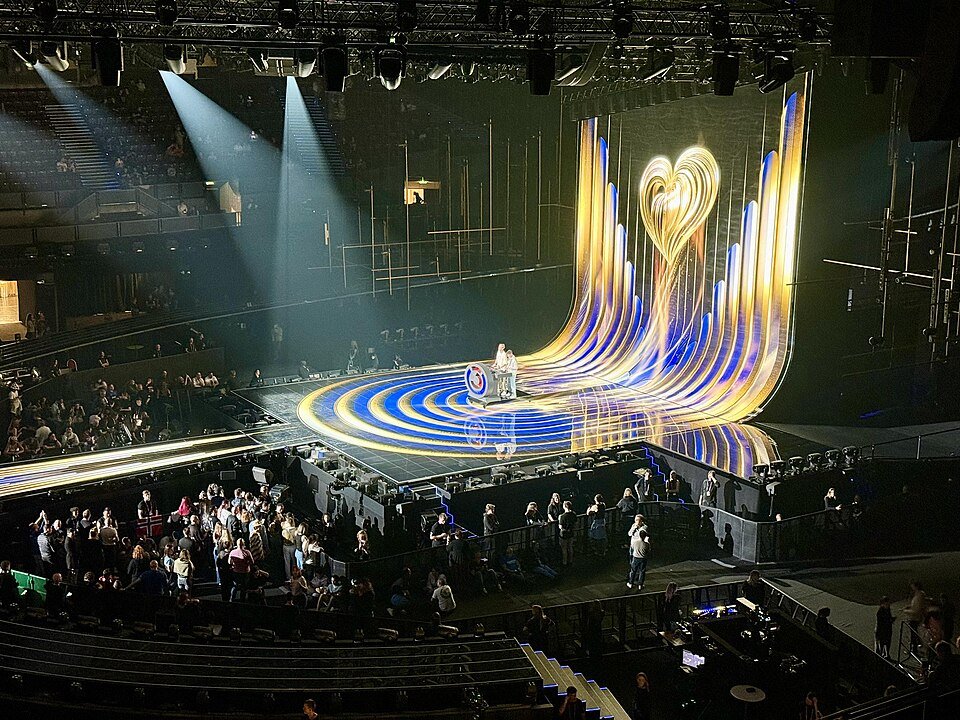
Photo: Wikipedia
This interview was prepared by Laura Hoffman