Louvre unites Michelangelo, Auguste Rodin in landmark sculpture exhibition
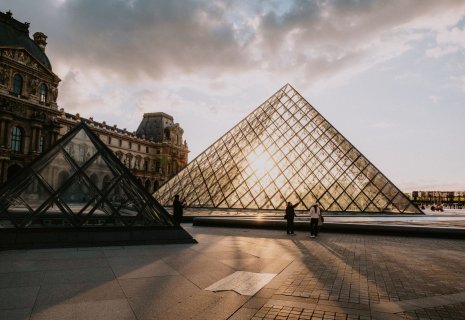
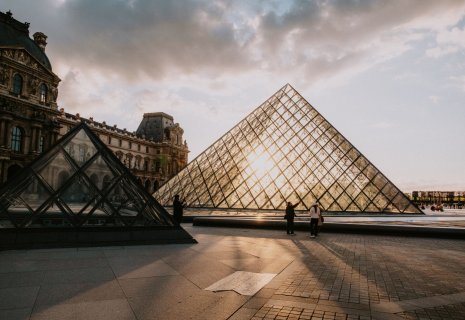
Two masters of Western sculpture, Michelangelo and Auguste Rodin, separated by three and a half centuries, are brought together at the Louvre Museum in Paris in an exhibition that explores their shared fascination with the “living body,” AFP reports.
Around 200 works — including marble, bronze, plaster, terracotta, casts, and numerous drawings — are on display at the famous museum until July 20, CE Report quotes AGERPRES.
The exhibition moves beyond a simple chronological relationship between Rodin (1840–1917) and Michelangelo Buonarroti (1475–1564), despite Rodin’s well-known inspiration from the Renaissance master, and instead presents the two artists on equal footing.
“It’s not about how one influenced the other, but about how two of the greatest sculptors in Western art share affinities, aesthetic connections, and common perspectives,” explained Chloé Ariot of the Rodin Museum and Marc Bormand, curator of sculptures at the Louvre.
“We hope visitors will see the works with new eyes and discover the dialogue between them,” they added.
The central theme of the exhibition — the life and inner energy of the human body — is introduced from the entrance hall, where five powerful nude sculptures are displayed: Rebellious Slave and Dying Slave by Michelangelo, alongside The Age of Bronze, Adam, and Jean d’Aire (Nude) from Rodin’s monument The Burghers of Calais.
Because Michelangelo’s marble sculptures are fragile and cannot travel easily, some works in the exhibition are by 16th-century Mannerist sculptors inspired by his creations.
The exhibition also juxtaposes a cast of Moses, made by contemporary sculptor Felice Adriani after Michelangelo’s original housed in Rome’s San Pietro in Vincoli, with Rodin’s Monumental Balzac.
It further highlights how both artists drew inspiration from Greco-Roman art.
Another shared feature is the concept of non finito — unfinished works such as busts, limbs, and figures — revealing the different techniques each artist used when working with marble.
Among the exceptional loans are numerous drawings by Michelangelo from museums in Florence and the British Museum.